Can I sharpen excavator teeth myself?
 Language
 Français
 Español
 Árabe
Árabe
 Deutsch
 简体中文
简体中文
 Português
 Русский
 日本語
日本語
 한국어
한국어
 हिंदी
हिंदी
 Prancis
 Türkçe
 Tiếng Việt
 Italiano
 ไทย
ไทย

-
Tel
+86 15275228746
-
WhatsApp/WeChat
8615275228746
Blog
Company intro
10000m 2+ Cover Area QINGDAO TOP RUN INTERNATIONAL TRADE CO., LTD Qingdao Top Run International Trade Co., Ltd. has been a professional and leading supplier of construction machinery spare parts in China for over 15 years. With extensive experience and expertise, we have established strong partnerships with top manufacturers to offer a wide range of genuine and OEM parts for brands such as XCMG, SANY, ZOOMLION, SHANTUI, LIUGONG, and more. 80+ Employees View more Looking for properate products? Contact us
Send Message
Can I sharpen excavator teeth myself?
Aug 18, 2025
View: 266
As a supplier of Excavator Teeth, I often get asked by customers whether they can sharpen their excavator teeth themselves. It's a valid question, especially considering the costs associated with professional sharpening services or the replacement of worn - out teeth. In this blog, I'll delve into the details of self - sharpening excavator teeth, including the feasibility, steps, risks, and when it might be better to seek professional help.
Feasibility of Self - Sharpening
Sharpening excavator teeth on your own is indeed possible, but it depends on several factors. Firstly, you need to have the right tools. A high - quality angle grinder is the most common tool used for sharpening excavator teeth. It should be equipped with a suitable grinding wheel, preferably one designed for metal work. Other tools that might come in handy include safety goggles, gloves, and a wire brush to clean the teeth before and after sharpening.
Secondly, you need to have a basic understanding of the correct sharpening angle. Excavator teeth are designed with a specific angle to ensure optimal digging performance. The typical angle for most excavator teeth ranges from 25 to 35 degrees. Deviating too far from this angle can lead to reduced efficiency, increased wear on the teeth, and even damage to the excavator bucket.
Steps for Self - Sharpening
Preparation
Before you start sharpening, it's crucial to ensure your safety. Put on safety goggles to protect your eyes from flying metal particles, and wear gloves to safeguard your hands from sharp edges and the heat generated during the sharpening process.
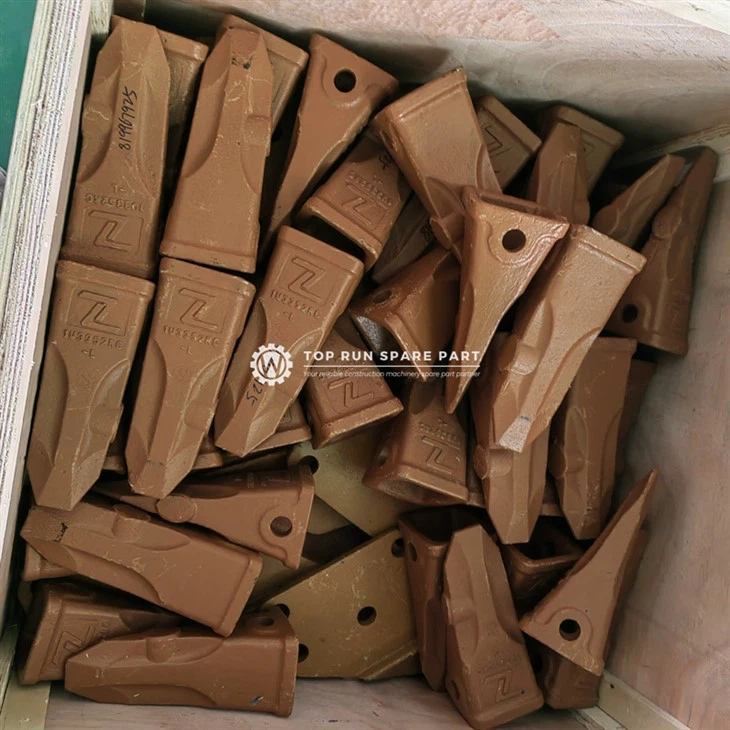
Next, remove the excavator teeth from the bucket. This might require the use of a specialized tool, such as a tooth pin extractor. Make sure to keep track of the order and orientation of the teeth, as they need to be reinstalled correctly later.
Cleaning
Use a wire brush to clean the teeth thoroughly. Remove any dirt, debris, or rust that has accumulated on the surface. This not only makes it easier to see the areas that need sharpening but also helps to prevent the grinding wheel from getting clogged.
Sharpening
Set up your angle grinder with the appropriate grinding wheel. Start by grinding the cutting edge of the tooth at the correct angle. Work slowly and steadily, applying even pressure. Move the grinder in a smooth, continuous motion along the edge of the tooth. It's important to keep the grinder at the correct angle throughout the process. You can use a protractor or a template to ensure accuracy.
As you grind, periodically check the progress. Look for a sharp, clean edge. Avoid over - grinding, as this can remove too much material and weaken the tooth.
Finishing
Once you're satisfied with the sharpness of the tooth, use a fine - grit grinding wheel or a sanding disk to smooth out any rough edges. This helps to prevent the teeth from chipping during use.
Reinstallation
After sharpening all the teeth, reinstall them back onto the excavator bucket. Make sure to use new tooth pins if necessary, and ensure that the teeth are securely fastened.
Risks of Self - Sharpening
Incorrect Sharpening Angle
As mentioned earlier, getting the sharpening angle wrong can have serious consequences. If the angle is too steep, the tooth may not penetrate the ground effectively, and it will experience increased wear. On the other hand, if the angle is too shallow, the tooth may not be able to withstand the forces exerted during digging, leading to premature failure.
Over - Grinding
Over - grinding can thin out the tooth, reducing its strength and durability. This can cause the tooth to break or chip during operation, which not only affects the performance of the excavator but also poses a safety risk.
Lack of Professional Equipment
Professional sharpening services often use specialized equipment that can provide a more precise and consistent sharpening result. Home - based tools may not be able to achieve the same level of accuracy, which can impact the long - term performance of the teeth.
When to Seek Professional Help
There are several situations where it's advisable to seek professional sharpening services. If you're not confident in your ability to sharpen the teeth correctly, it's better to leave it to the experts. Additionally, if the teeth are severely worn or damaged, professional services may be able to restore them more effectively.
Some excavator manufacturers also recommend using their authorized service centers for sharpening and maintenance. This ensures that the teeth are sharpened according to the manufacturer's specifications, which can help to maintain the warranty on the equipment.
Related Products for Excavator Maintenance
In addition to excavator teeth, there are other important parts that play a crucial role in the proper functioning of an excavator. For example, Excavator Filters are essential for keeping the hydraulic system and engine clean. They prevent dirt, dust, and other contaminants from entering the system, which can cause damage and reduce the lifespan of the components.
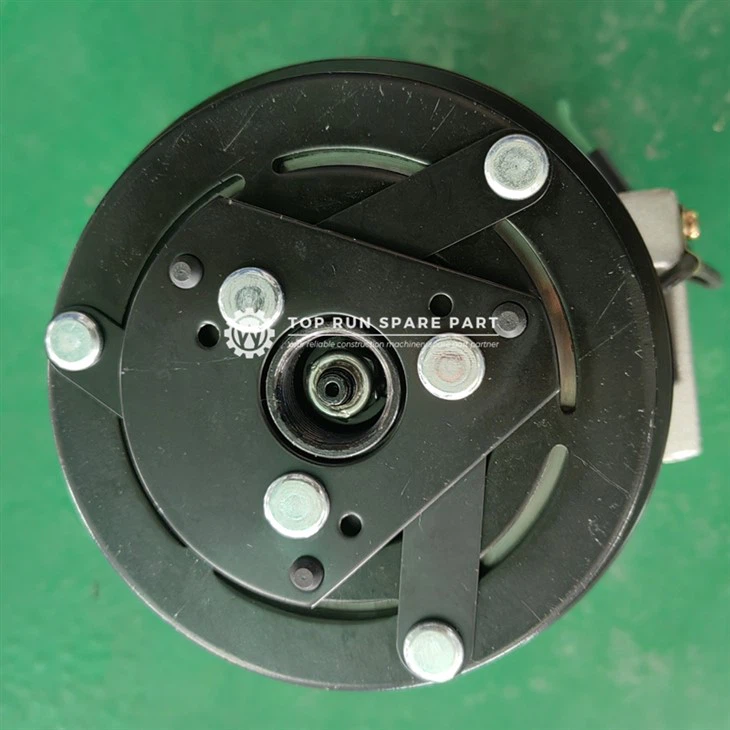
Another important component is the Excavator Compressor. It is responsible for providing compressed air for various functions, such as operating the hydraulic system and powering certain attachments.
Conclusion
Sharpening excavator teeth yourself is a viable option if you have the necessary tools, knowledge, and skills. However, it's important to approach the process with caution and ensure that you follow the correct procedures. If you're unsure or if the teeth are in a poor condition, it's best to seek professional help.
As a supplier of Excavator Teeth, we are committed to providing high - quality products and helpful advice to our customers. Whether you need new teeth, replacement parts, or guidance on maintenance, we're here to assist you. If you have any questions or are interested in purchasing our products, feel free to reach out to us for a procurement discussion.
References
- "Excavator Maintenance Handbook" by Industry Experts
- Manufacturer's Manuals for Various Excavator Models
Categories
QR Code


