Can I use excavator teeth for snow removal?
 Language
 Français
 Español
 Árabe
Árabe
 Deutsch
 简体中文
简体中文
 Português
 Русский
 日本語
日本語
 한국어
한국어
 हिंदी
हिंदी
 Prancis
 Türkçe
 Tiếng Việt
 Italiano
 ไทย
ไทย

-
Tel
+86 15275228746
-
WhatsApp/WeChat
8615275228746
Blog
Company intro
10000m 2+ Cover Area QINGDAO TOP RUN INTERNATIONAL TRADE CO., LTD Qingdao Top Run International Trade Co., Ltd. has been a professional and leading supplier of construction machinery spare parts in China for over 15 years. With extensive experience and expertise, we have established strong partnerships with top manufacturers to offer a wide range of genuine and OEM parts for brands such as XCMG, SANY, ZOOMLION, SHANTUI, LIUGONG, and more. 80+ Employees View more Looking for properate products? Contact us
Send Message
Can I use excavator teeth for snow removal?
May 9, 2025
View: 207
When winter arrives and snow blankets the ground, the question of effective snow removal methods often arises. As a supplier of Excavator Teeth, I've frequently been asked whether these robust tools can be used for snow removal. In this blog post, I'll delve into the technical, practical, and safety aspects of using excavator teeth for snow removal.
Technical Analysis of Excavator Teeth
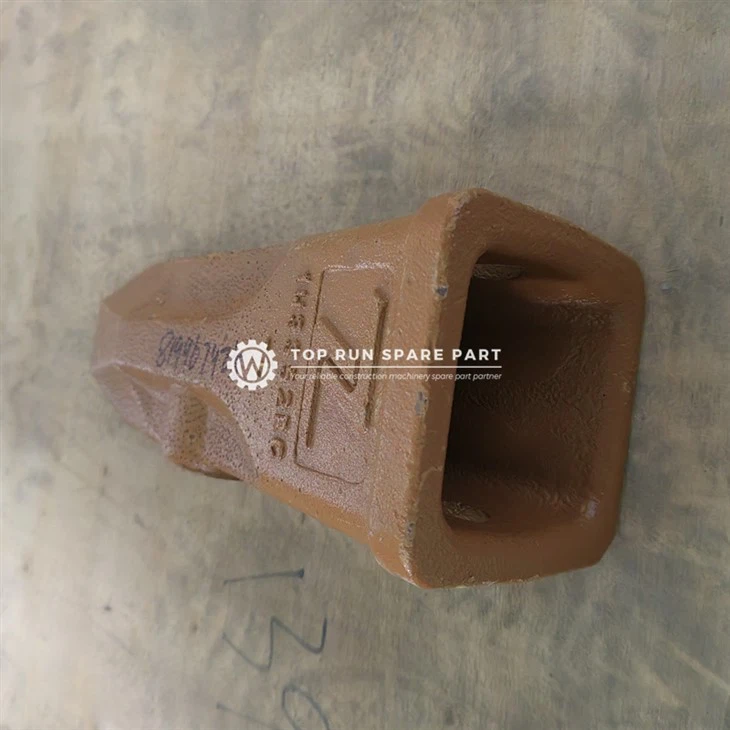
Excavator teeth are designed primarily for heavy - duty earth - moving tasks. They are made from high - strength alloys, such as manganese steel, which can withstand the intense forces involved in breaking through hard soil, rocks, and other tough materials. The shape of excavator teeth is optimized for penetration and digging. Typically, they have a sharp tip and a well - engineered geometry that allows for efficient material removal.
The design of excavator teeth focuses on durability and the ability to transfer the force from the excavator's arm to the material being excavated. Their teeth are often replaceable, which is a cost - effective feature for long - term use in construction and mining operations. However, these characteristics are tailored to the requirements of digging and breaking hard substances, not specifically for snow removal.
Can Excavator Teeth Be Used for Snow Removal?
Advantages
One of the potential advantages of using excavator teeth for snow removal is their strength and durability. If you are dealing with large amounts of heavy, compacted snow, the teeth can break through the hard - packed layers more effectively than some traditional snow removal tools. The sharp tips of the teeth can penetrate the snow, allowing the excavator to move it more efficiently.
Another advantage is the power of the excavator itself. Excavators are large, powerful machines with high - torque engines. This power can be harnessed to clear large areas of snow quickly, especially in industrial or large - scale settings such as airports, large parking lots, or construction sites where a large volume of snow needs to be removed in a short period.
Disadvantages
However, there are also several significant disadvantages to using excavator teeth for snow removal. First, the design of excavator teeth is not optimized for snow. Unlike specialized snow removal equipment, such as snowplows or snow blowers, the teeth are not shaped to push or throw snow in a controlled manner. When using excavator teeth, the snow may be scattered in an irregular pattern, making it more difficult to clean up the area thoroughly.
Second, the teeth can cause damage to the underlying surface. Excavator teeth are designed to dig into hard materials, and when used on roads, sidewalks, or other paved surfaces, they can scratch, chip, or even break the pavement. This can lead to costly repairs and safety hazards for pedestrians and vehicles.
Third, the cost of using an excavator for snow removal can be relatively high. Excavators consume a large amount of fuel, and the maintenance of the machine, including the replacement of teeth, can be expensive. In addition, operating an excavator requires a skilled operator, which adds to the labor cost.
Comparison with Other Snow Removal Equipment
Snowplows
Snowplows are specifically designed for snow removal. They have a wide, flat blade that can push snow to the side of the road or into a pile. Snowplows are highly efficient for clearing long stretches of roads and are commonly used by municipalities and highway departments. They are also relatively gentle on the road surface compared to excavator teeth.
Snow Blowers
Snow blowers are another popular snow removal tool. They can suck up snow and blow it a considerable distance, making them ideal for clearing driveways and small to medium - sized areas. Snow blowers are more maneuverable than excavators and are generally easier to operate.
Excavator Compressor and Excavator Filters in Snow Removal
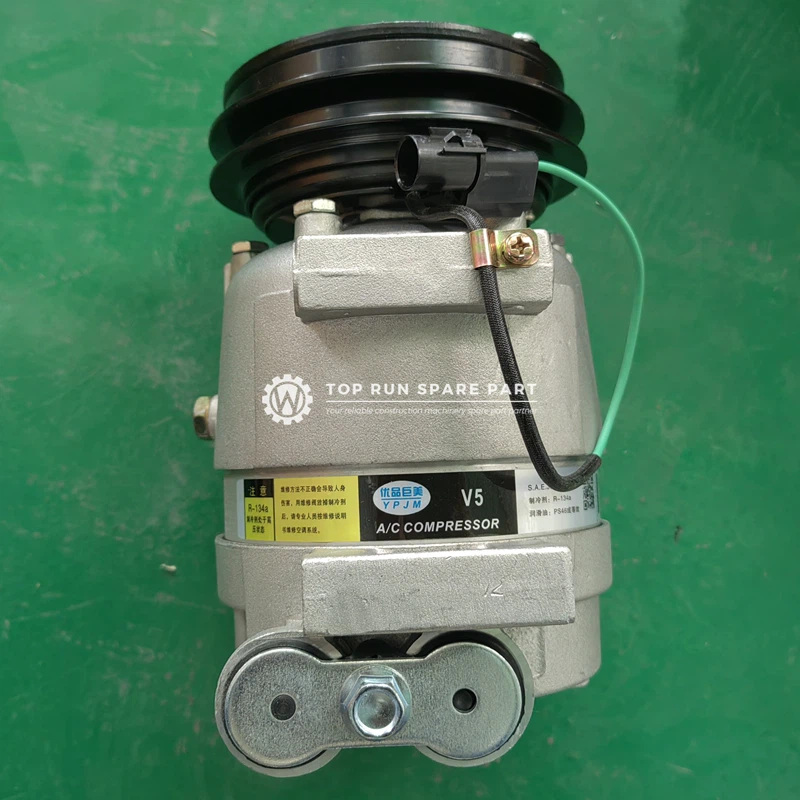
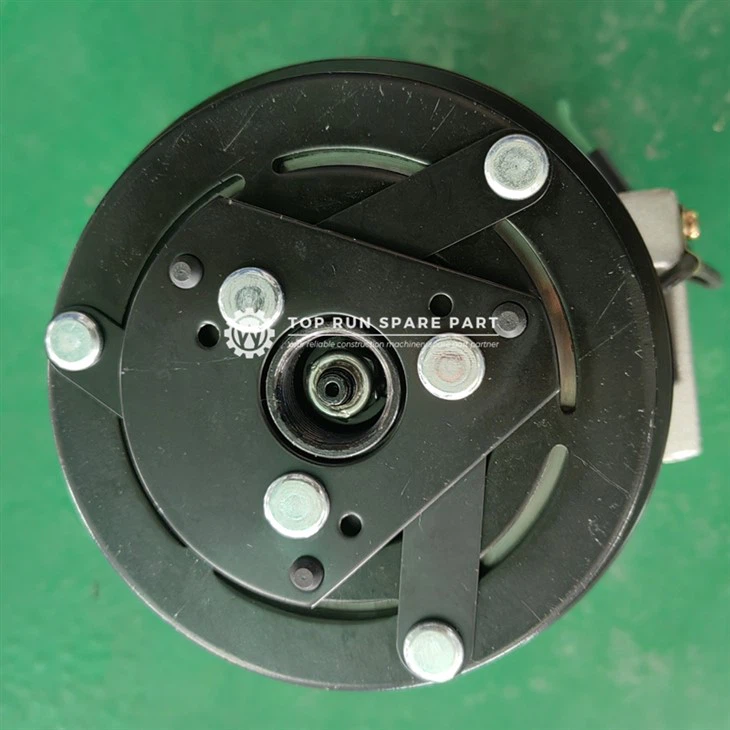
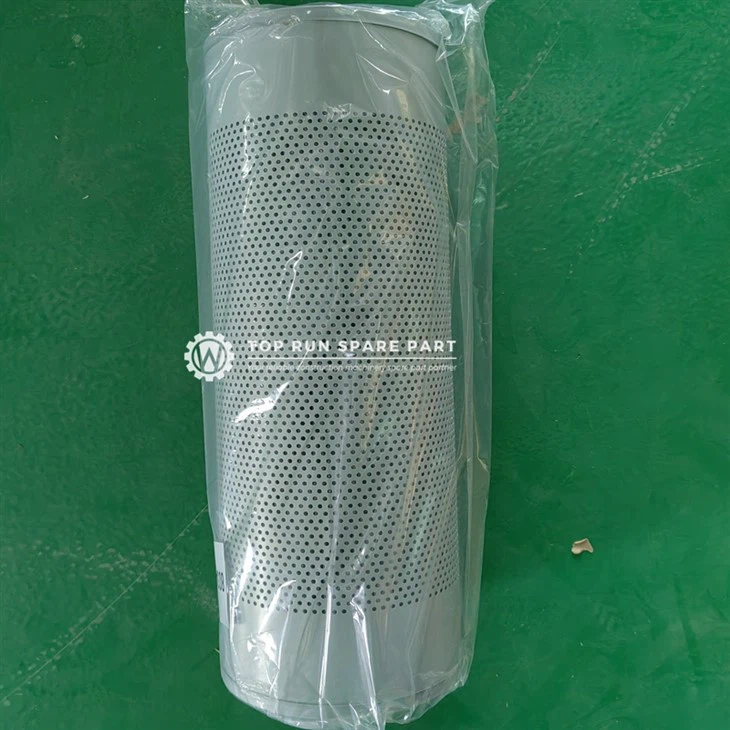
Although not directly related to the use of excavator teeth for snow removal, the Excavator Compressor and Excavator Filters play important roles in the overall performance of the excavator. In cold winter conditions, the compressor needs to work properly to ensure the hydraulic system functions smoothly. The filters help keep the engine and hydraulic fluid clean, which is crucial for the reliable operation of the excavator during snow removal operations.
Safety Considerations
When considering using excavator teeth for snow removal, safety is of utmost importance. As mentioned earlier, the teeth can cause damage to the surface, which can pose a tripping hazard for pedestrians. In addition, the large size and power of the excavator mean that it can be dangerous if not operated correctly.
Operators should be trained in both excavator operation and snow removal techniques. They need to be aware of the potential risks and take appropriate precautions, such as wearing personal protective equipment and following traffic safety rules if operating on public roads.
Conclusion
In conclusion, while it is technically possible to use excavator teeth for snow removal, it is not the most practical or efficient solution in most cases. Specialized snow removal equipment, such as snowplows and snow blowers, is better suited for the task. However, in certain large - scale or heavy - duty snow removal situations, where there is a large amount of compacted snow and the surface can tolerate some minor damage, excavator teeth may be considered as an alternative.
If you are in the market for high - quality Excavator Teeth, Excavator Compressor, or Excavator Filters, we are here to provide you with the best products and services. Feel free to contact us for more information and to discuss your procurement needs.
References
Construction Equipment Handbook, various editions.
Snow and Ice Control Best Practices Guides from transportation departments.
Categories
QR Code


