Can I use the instrument for Lovol in different temperatures?
 Language
 Français
 Español
 Árabe
Árabe
 Deutsch
 简体中文
简体中文
 Português
 Русский
 日本語
日本語
 한국어
한국어
 हिंदी
हिंदी
 Prancis
 Türkçe
 Tiếng Việt
 Italiano
 ไทย
ไทย

-
Tel
+86 15275228746
-
WhatsApp/WeChat
8615275228746
Blog
Company intro
10000m 2+ Cover Area QINGDAO TOP RUN INTERNATIONAL TRADE CO., LTD Qingdao Top Run International Trade Co., Ltd. has been a professional and leading supplier of construction machinery spare parts in China for over 15 years. With extensive experience and expertise, we have established strong partnerships with top manufacturers to offer a wide range of genuine and OEM parts for brands such as XCMG, SANY, ZOOMLION, SHANTUI, LIUGONG, and more. 80+ Employees View more Looking for properate products? Contact us
Send Message
Can I use the instrument for Lovol in different temperatures?
Aug 26, 2025
View: 184
Hey there, folks! If you're in the market for equipment and parts, you might've heard about Lovol. I'm a supplier of INSTRUMENT for Lovol, and I often get asked, "Can I use the instrument for Lovol in different temperatures?" Well, let's dig into that question right now.
First off, Lovol is a well - known brand in the construction and heavy - machinery world. Their equipment is used in all sorts of environments, from scorching deserts to freezing tundras. And the instruments we supply for Lovol play a crucial role in making sure these machines run smoothly.
Impact of High Temperatures
Let's start with high temperatures. When it's really hot outside, say over 35°C (95°F), there are a few things that can happen to the instruments.
One of the main concerns is overheating. Just like our bodies, instruments can get too hot. High temperatures can cause the internal components of the instrument to expand. This expansion might lead to misalignments or even short - circuits in extreme cases. For example, if the instrument has electronic sensors, the heat can affect their accuracy. The readings might become inaccurate, which can be a big problem when you're relying on those readings to operate the Lovol equipment safely and efficiently.
Another issue is the degradation of materials. The plastics and rubber parts in the instrument can start to break down under high heat. This can lead to cracks and leaks, especially in seals. If the seals fail, dust and moisture can get inside the instrument, further damaging it.
However, the good news is that the INSTRUMENT for Lovol we supply is designed to withstand a certain range of high temperatures. Our engineers have worked hard to select materials that can handle the heat. We use heat - resistant plastics and metals that have a high melting point. Also, the instruments are equipped with cooling mechanisms, like heat sinks, to dissipate the heat. So, in most normal high - temperature environments, you should be able to use the instrument without major issues. But if you're working in an extremely hot place, like a desert in the middle of summer, it's still a good idea to keep an eye on the instrument's performance.
Impact of Low Temperatures
Now, let's talk about cold temperatures. When it's really cold, say below - 20°C (- 4°F), the story is a bit different.
Cold temperatures can make the materials in the instrument become brittle. The plastics can crack easily, and the lubricants inside the moving parts can thicken. This thickening of the lubricant can make the parts move less smoothly, which can affect the overall performance of the instrument.
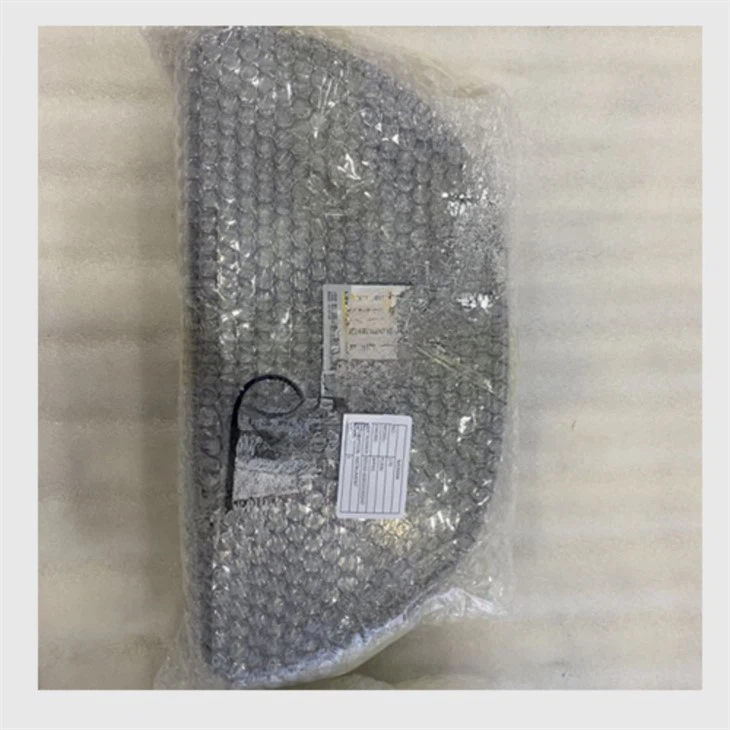
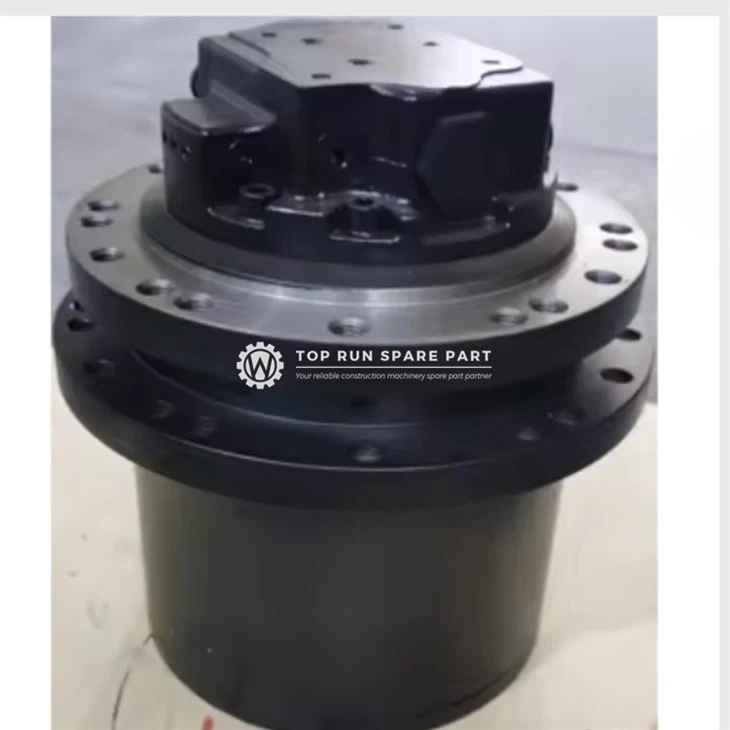
Batteries are also a concern in cold weather. The chemical reactions inside the batteries slow down in low temperatures, which means they have less power. If your instrument is battery - powered, you might notice that it doesn't last as long or might not work at all in extremely cold conditions.
But again, our INSTRUMENT for Lovol is built to handle cold. We use materials that are flexible even at low temperatures. The batteries we recommend or include in some of our instruments are designed for cold - weather use. They have additives that help them maintain their performance in the cold. And we have insulation in the instrument to keep the internal components warm.
Adapting to Different Temperatures
So, how can you make sure your INSTRUMENT for Lovol works well in different temperatures?
In high - temperature environments, you can provide additional ventilation. If the instrument is in an enclosed space, make sure there's good airflow around it. You can also use sunshades to protect it from direct sunlight. Regular maintenance is crucial. Check the instrument for any signs of overheating, like discoloration or a burning smell.
In low - temperature environments, you can pre - heat the instrument if possible. Some instruments have a built - in heating function. If not, you can use external heaters. Keep the instrument in a warm place when it's not in use. And make sure to replace the batteries regularly, especially if they're not performing well in the cold.
Our Product Range
As a supplier of INSTRUMENT for Lovol, we offer a wide range of products. You can check out our INSTRUMENT for Lovol on our website. We also have related products like Spare Parts For Lovol Excavator and Hydraulic Motor for Lovol.
Our products are of high quality. We source the best materials and use the latest manufacturing techniques. We have a team of experts who test each instrument to make sure it meets the highest standards. Whether you're using the instrument in a hot or cold environment, you can trust our products to perform.
Contact Us for Purchase
If you're interested in purchasing our INSTRUMENT for Lovol or any of our other products, we'd love to hear from you. We understand that every customer has different needs, and we're ready to work with you to find the right solutions. Whether you're a small contractor or a large construction company, we can provide you with the products you need at a competitive price. So, don't hesitate to reach out and start a conversation about your procurement requirements.
References
- Engineering textbooks on materials science and thermodynamics
- Manufacturer's specifications for Lovol equipment and related instruments
- Industry research reports on the performance of construction equipment in different climates
Categories
QR Code


