Do crane spare parts need to be painted?
 Language
 Français
 Español
 Árabe
Árabe
 Deutsch
 简体中文
简体中文
 Português
 Русский
 日本語
日本語
 한국어
한국어
 हिंदी
हिंदी
 Prancis
 Türkçe
 Tiếng Việt
 Italiano
 ไทย
ไทย

-
Tel
+86 15275228746
-
WhatsApp/WeChat
8615275228746
Blog
Company intro
10000m 2+ Cover Area QINGDAO TOP RUN INTERNATIONAL TRADE CO., LTD Qingdao Top Run International Trade Co., Ltd. has been a professional and leading supplier of construction machinery spare parts in China for over 15 years. With extensive experience and expertise, we have established strong partnerships with top manufacturers to offer a wide range of genuine and OEM parts for brands such as XCMG, SANY, ZOOMLION, SHANTUI, LIUGONG, and more. 80+ Employees View more Looking for properate products? Contact us
Send Message
Do crane spare parts need to be painted?
Sep 11, 2025
View: 188
Do Crane Spare Parts Need to Be Painted?
As a supplier of crane spare parts, I often encounter questions from customers regarding the painting of these parts. The topic of whether crane spare parts need to be painted is not as straightforward as it may seem. It involves considerations such as protection, functionality, and aesthetics. In this blog post, I'll delve into the factors that determine whether painting crane spare parts is necessary and the implications of this decision.
Protection Against Corrosion
One of the primary reasons for painting crane spare parts is to protect them from corrosion. Cranes are often used in harsh environments, including construction sites, ports, and industrial areas, where they are exposed to moisture, chemicals, and other corrosive elements. Without proper protection, metal parts can rust and deteriorate over time, leading to structural weakness and potential failure.
For example, hydraulic components such as the Hydraulic Pump HP51B678-20-20-10-02GA are crucial for the operation of a crane. If these parts are not painted, they can be vulnerable to corrosion, which may affect their performance and lifespan. A high - quality paint coating acts as a barrier, preventing moisture and oxygen from reaching the metal surface and thus reducing the risk of rust.
Similarly, gear pumps like the Gear Pump 803000260 are also at risk of corrosion. The gears and other internal components can be damaged by rust, leading to decreased efficiency and potential breakdowns. Painting these parts can significantly extend their service life and reduce maintenance costs.
Functionality and Performance
In some cases, painting can also have an impact on the functionality and performance of crane spare parts. For instance, certain types of paints can provide lubrication or reduce friction between moving parts. This can be beneficial for components such as bearings and gears, where smooth operation is essential.
On the other hand, painting may not be suitable for all parts. Some parts, such as engine components like the Wd615.46 Engine For Weichai, generate a significant amount of heat during operation. A thick paint layer can act as an insulator, preventing proper heat dissipation. This can lead to overheating and damage to the engine. Therefore, for parts that require efficient heat transfer, painting may not be recommended.
Aesthetics
Aesthetics also play a role in the decision to paint crane spare parts. A well - painted part can enhance the overall appearance of the crane, giving it a more professional and finished look. This can be important for companies that want to present a positive image to their clients.
However, aesthetics should not be the sole determining factor. In some industrial settings, functionality and durability are more important than appearance. For example, in a construction site where the crane is constantly exposed to dirt and debris, a painted part may quickly become dirty and scratched, negating the aesthetic benefits.
Types of Paints and Coatings
When considering painting crane spare parts, it's important to choose the right type of paint or coating. There are several options available, each with its own advantages and disadvantages.
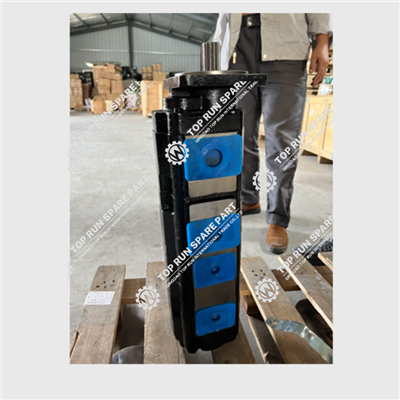
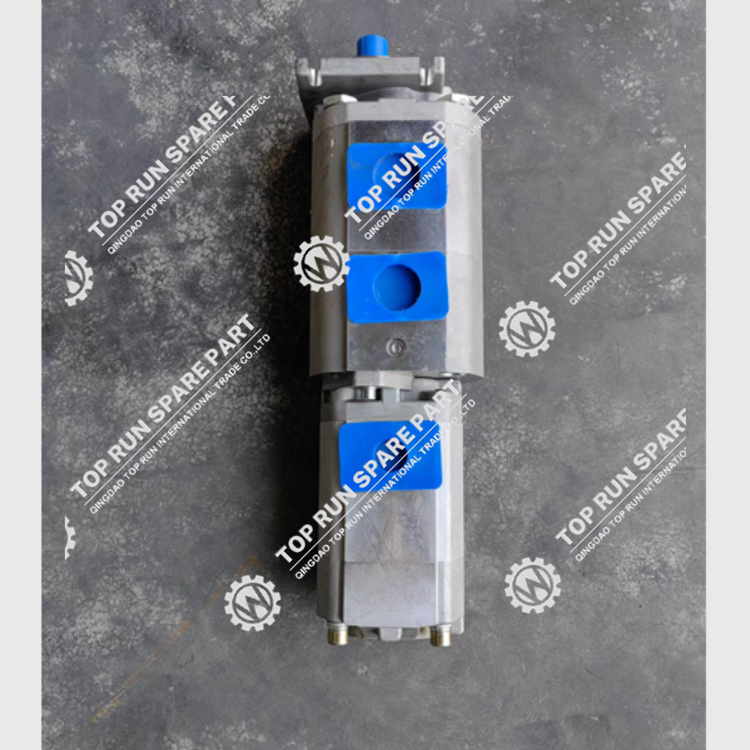
Epoxy paints are a popular choice for crane parts because they offer excellent corrosion resistance. They form a hard, durable coating that can withstand harsh environments. Polyurethane paints are also commonly used, as they provide good flexibility and UV resistance. This makes them suitable for parts that are exposed to sunlight.
Powder coatings are another option. They are applied electrostatically and then cured under heat, resulting in a smooth, even finish. Powder coatings are known for their durability and resistance to chipping and scratching.
Application Process
The application process is also crucial for ensuring the effectiveness of the paint job. Before painting, the parts need to be properly cleaned and prepared. This may involve sandblasting to remove any rust, dirt, or old paint. The surface should be smooth and free of contaminants to ensure good adhesion of the paint.
The paint should be applied evenly, following the manufacturer's instructions. Multiple coats may be required to achieve the desired level of protection. It's also important to allow sufficient drying time between coats.
Conclusion
In conclusion, the decision of whether to paint crane spare parts depends on several factors, including the type of part, its environment of use, and the desired balance between functionality, protection, and aesthetics. While painting can offer significant benefits in terms of corrosion protection and aesthetics, it may not be suitable for all parts, especially those that require efficient heat transfer.
As a supplier of crane spare parts, we can provide guidance on whether painting is appropriate for specific parts. We have a wide range of high - quality spare parts available, and we can also offer advice on the best types of paints and coatings for different applications.
If you are in the market for crane spare parts or have questions about painting them, I encourage you to contact us for a detailed discussion. We are committed to providing you with the best products and solutions to meet your needs.
References
- "Corrosion Protection of Metals" by NACE International
- "Handbook of Paints, Coatings, and Solvents" edited by P. K. T. Oldring
Categories
QR Code


