How do I change the excavator teeth quickly and safely?
 Language
 Français
 Español
 Árabe
Árabe
 Deutsch
 简体中文
简体中文
 Português
 Русский
 日本語
日本語
 한국어
한국어
 हिंदी
हिंदी
 Prancis
 Türkçe
 Tiếng Việt
 Italiano
 ไทย
ไทย

-
Tel
+86 15275228746
-
WhatsApp/WeChat
8615275228746
Blog
Company intro
10000m 2+ Cover Area QINGDAO TOP RUN INTERNATIONAL TRADE CO., LTD Qingdao Top Run International Trade Co., Ltd. has been a professional and leading supplier of construction machinery spare parts in China for over 15 years. With extensive experience and expertise, we have established strong partnerships with top manufacturers to offer a wide range of genuine and OEM parts for brands such as XCMG, SANY, ZOOMLION, SHANTUI, LIUGONG, and more. 80+ Employees View more Looking for properate products? Contact us
Send Message
How do I change the excavator teeth quickly and safely?
Dec 16, 2025
View: 224
As an excavator teeth supplier, I've seen firsthand the importance of being able to change excavator teeth quickly and safely. In the construction and mining industries, time is money, and any downtime can result in significant losses. Moreover, safety is paramount, as improper tooth replacement can lead to accidents and injuries. In this blog post, I'll share some tips and best practices on how to change excavator teeth efficiently and securely.
Understanding the Importance of Quick and Safe Tooth Changes
Before delving into the process, it's essential to understand why changing excavator teeth quickly and safely matters. Firstly, worn - out teeth can reduce the efficiency of the excavator. Dull or damaged teeth require more power to penetrate the ground, which increases fuel consumption and wear on the machine. By changing the teeth promptly, you can maintain the excavator's performance and save on operational costs.
Secondly, safety is non - negotiable. Faulty tooth installation can cause the teeth to come loose during operation, posing a serious risk to the operator and those in the vicinity. A flying tooth can cause damage to equipment and, more importantly, result in severe injuries.
Pre - change Preparation
Gather the Right Tools
Having the appropriate tools is crucial for a smooth tooth - changing process. You'll typically need a hammer, a pin punch, a pry bar, and a socket wrench. Make sure these tools are in good condition and of the correct size for your excavator's teeth.
Inspect the New Teeth
Before starting the replacement, carefully examine the new Excavator Teeth. Check for any signs of damage, such as cracks or uneven surfaces. Ensure that the teeth are the right type and size for your excavator. Using the wrong teeth can lead to poor performance and potential safety hazards.
Park the Excavator Properly
Park the excavator on a flat, stable surface and engage the parking brake. Lower the bucket to the ground to relieve any pressure on the teeth and the mounting system. Turn off the engine and wait for all moving parts to come to a complete stop. This step is essential to prevent any accidental movement during the tooth - changing process.
Wear Personal Protective Equipment (PPE)
Always wear appropriate PPE, including safety glasses, gloves, and steel - toed boots. Safety glasses protect your eyes from flying debris, while gloves provide a better grip on tools and protect your hands from sharp edges. Steel - toed boots safeguard your feet from heavy objects.
The Tooth - Changing Process
Remove the Old Teeth
- Locate the Retaining Pins: Most excavator teeth are held in place by retaining pins. Use a socket wrench to remove any nuts or bolts securing the pins.
- Drive Out the Pins: Once the nuts or bolts are removed, use a pin punch and a hammer to drive out the retaining pins. Be careful not to damage the pins or the mounting system.
- Remove the Tooth: After the pins are out, use a pry bar to gently loosen the tooth from the adapter. Once it's loose, you can pull the tooth off by hand.
Install the New Teeth
- Clean the Adapter: Before installing the new teeth, clean the adapter thoroughly. Remove any dirt, debris, or old grease. A clean adapter ensures a proper fit and reduces the risk of premature wear.
- Align the Tooth: Place the new tooth onto the adapter, making sure it is correctly aligned. The tooth should fit snugly onto the adapter, and the holes for the retaining pins should line up.
- Insert the Retaining Pins: Insert the retaining pins through the holes in the tooth and the adapter. Use a hammer to tap the pins into place until they are fully seated. If necessary, use a socket wrench to tighten any nuts or bolts securing the pins.
Post - change Checks
Check the Fit
After installing the new teeth, check that they are firmly in place. Try to wiggle the teeth gently to ensure there is no excessive movement. If a tooth is loose, it could come off during operation, so it's important to address the issue immediately.
Test the Excavator
Start the excavator and perform some simple digging operations at a low speed. Observe the performance of the new teeth. If you notice any unusual noises, vibrations, or a decrease in performance, stop the machine and re - check the teeth installation.
Maintenance for Quick and Safe Future Changes
Regularly Inspect the Teeth
Inspect the excavator teeth regularly for signs of wear and damage. Look for cracks, chips, or excessive wear on the cutting edges. Early detection of problems allows you to replace the teeth before they cause significant issues.
Keep the Mounting System Lubricated
Proper lubrication of the mounting system is essential for easy tooth changes. Apply a high - quality grease to the retaining pins and the adapter regularly. Lubrication reduces friction, making it easier to remove and install teeth and extends the lifespan of the mounting system.
Store Teeth Properly
When storing spare teeth, keep them in a dry, clean place. Protect them from rust and damage. Storing teeth properly ensures that they are in good condition when it's time for replacement.
Additional Considerations
Compatibility with Other Excavator Parts
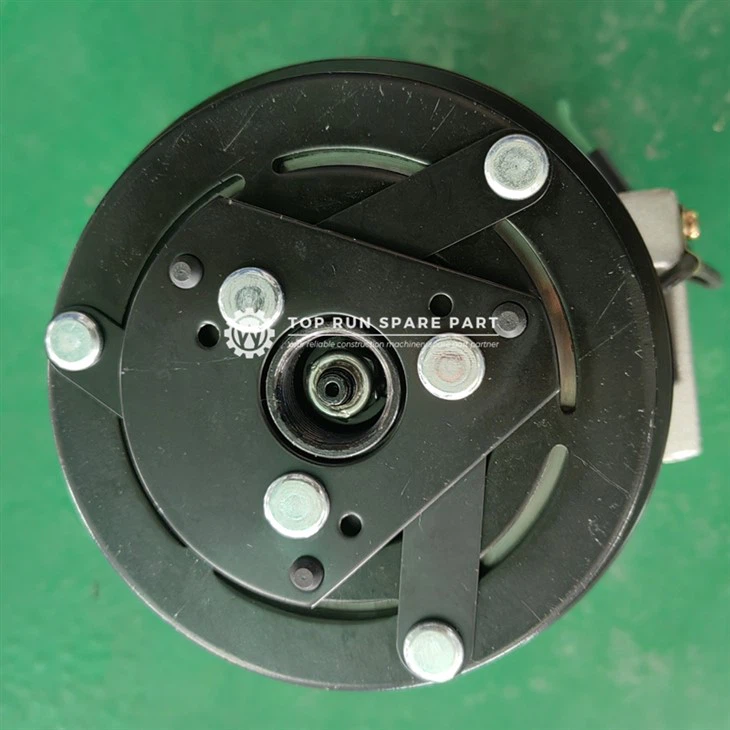
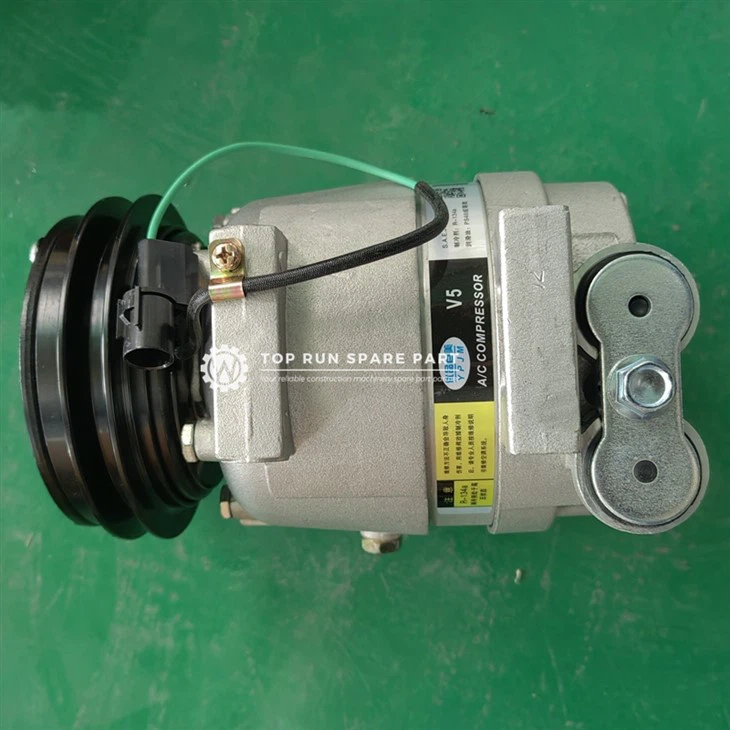
It's important to note that the performance of the excavator teeth can be affected by other parts of the machine. For example, Excavator Filters play a crucial role in maintaining the engine's performance. A clogged filter can reduce the power output of the excavator, which in turn affects the efficiency of the teeth. Similarly, a malfunctioning Excavator Compressor can lead to problems with hydraulic systems, which are used to operate the excavator's bucket and teeth.
Training for Operators
Ensure that all operators are properly trained in tooth - changing procedures. A well - trained operator is more likely to change the teeth quickly and safely, reducing the risk of accidents and downtime. Provide regular training updates to keep operators informed about the latest best practices.
Conclusion
Changing excavator teeth quickly and safely is a skill that every excavator operator and maintenance crew should master. By following the steps outlined in this blog post, you can minimize downtime, improve the performance of your excavator, and ensure the safety of everyone on the job site.
As an excavator teeth supplier, I'm committed to providing high - quality products and sharing knowledge to help you get the most out of your equipment. If you're in the market for reliable excavator teeth or have any questions about tooth replacement, I encourage you to reach out. Contact us to discuss your specific needs and explore our range of excavator parts. We look forward to partnering with you to keep your excavators running smoothly.
References
- "Excavator Maintenance Manual", Various Manufacturers
- "Safety Guidelines for Construction Equipment Operation", Occupational Safety and Health Administration (OSHA)
- "Best Practices in Heavy Equipment Maintenance", Industry Publications
Categories
QR Code


