How do truck crane lights interact with the control system?
 Language
 Français
 Español
 Árabe
Árabe
 Deutsch
 简体中文
简体中文
 Português
 Русский
 日本語
日本語
 한국어
한국어
 हिंदी
हिंदी
 Prancis
 Türkçe
 Tiếng Việt
 Italiano
 ไทย
ไทย

-
Tel
+86 15275228746
-
WhatsApp/WeChat
8615275228746
Blog
Company intro
10000m 2+ Cover Area QINGDAO TOP RUN INTERNATIONAL TRADE CO., LTD Qingdao Top Run International Trade Co., Ltd. has been a professional and leading supplier of construction machinery spare parts in China for over 15 years. With extensive experience and expertise, we have established strong partnerships with top manufacturers to offer a wide range of genuine and OEM parts for brands such as XCMG, SANY, ZOOMLION, SHANTUI, LIUGONG, and more. 80+ Employees View more Looking for properate products? Contact us
Send Message
How do truck crane lights interact with the control system?
Oct 23, 2025
View: 195
Truck cranes are indispensable workhorses in various industries, from construction to logistics. Among the numerous components that contribute to their efficient and safe operation, truck crane lights and the control system play crucial roles. As a dedicated truck crane lights supplier, I've witnessed firsthand how these two elements interact to ensure optimal performance and safety. In this blog, I'll delve into the intricate relationship between truck crane lights and the control system.
The Basics of Truck Crane Lights
Truck crane lights serve multiple purposes. Firstly, they provide illumination for the crane operator to work in low - light conditions, such as during night shifts or in poorly lit construction sites. There are different types of lights on a truck crane, including floodlights that offer wide - area illumination, spotlights for more focused lighting on specific areas, and indicator lights that convey important information.
Floodlights are typically mounted on the crane's boom or superstructure. They have a wide beam angle, which can cover a large area around the crane. This is essential for tasks like loading and unloading materials, as it allows the operator to clearly see the surrounding environment, including the position of the load, other equipment, and personnel. Spotlights, on the other hand, are used when more precise lighting is required. For example, when the crane is lifting a delicate or small - sized load, a spotlight can be directed at the load to ensure accurate positioning.
Indicator lights are an important part of the truck crane lighting system. These lights are used to convey information about the crane's status. For instance, there may be lights indicating whether the crane is in operation, if there is a fault in the system, or if the load is within the safe working range.
The Control System of a Truck Crane
The control system of a truck crane is a complex network of sensors, actuators, and controllers. It is responsible for managing all the functions of the crane, including movement, lifting, and safety features. The control system uses data from various sensors to make decisions and control the crane's operations.
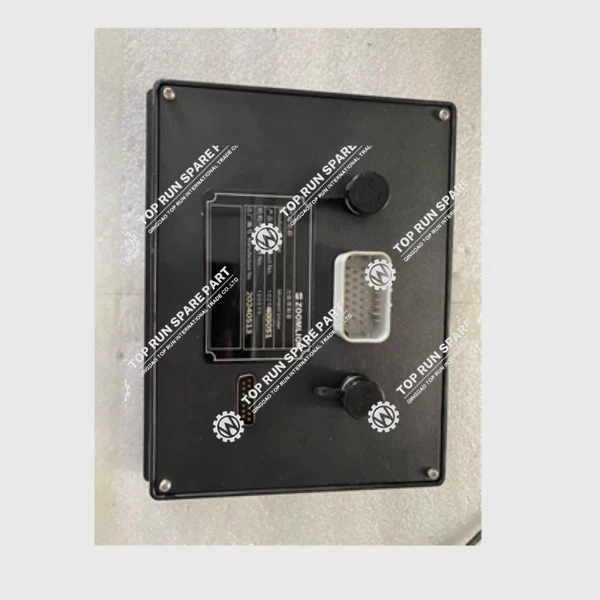
One of the key components of the control system is the WIDE LMI Load Moment Limiter ASSY 1021500. This device monitors the load moment, which is the product of the load weight and its distance from the crane's pivot point. By continuously measuring the load moment, the control system can ensure that the crane does not exceed its safe working capacity. If the load moment approaches or exceeds the limit, the control system can take corrective actions, such as stopping the lifting operation or warning the operator.
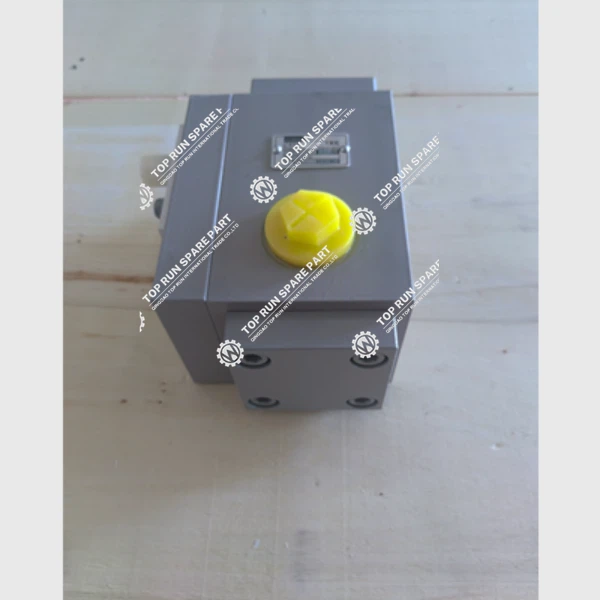
Another important part of the control system is the hydraulic control system. Hydraulic cylinders are used to control the movement of the crane's boom, jib, and other components. The Balance Valve 1010300194 is a critical component in the hydraulic system. It helps to maintain a stable flow of hydraulic fluid, which is essential for smooth and precise control of the crane's movements.
The gearbox, or Gearbox Assy Or Transmission, is also an integral part of the control system. It is responsible for transmitting power from the engine to the various components of the crane, such as the winch and the slewing mechanism. The control system can adjust the gear ratio in the gearbox to optimize the crane's performance based on the load and the operating conditions.
Interaction between Truck Crane Lights and the Control System
The interaction between truck crane lights and the control system is multi - faceted. One of the most obvious interactions is the control of the lighting system itself. The control system can turn the lights on and off based on the crane's operating status. For example, when the crane is powered on and ready for operation, the control system can automatically turn on the floodlights to provide illumination. When the crane is shut down, the lights can be turned off to save energy.
The control system can also adjust the intensity of the lights. In low - light conditions, the control system can increase the brightness of the floodlights and spotlights to ensure optimal visibility. Conversely, in well - lit environments, the intensity of the lights can be reduced to save energy. This adjustment is often based on data from light sensors installed on the crane.
Indicator lights are directly controlled by the control system to convey important information. For example, if the WIDE LMI Load Moment Limiter ASSY 1021500 detects that the load moment is approaching the safe limit, the control system can activate a warning light on the crane's control panel. This alerts the operator to take appropriate action, such as reducing the load or adjusting the boom position.
In addition, the control system can use the lights for diagnostic purposes. Some advanced control systems can use the indicator lights to display error codes. If there is a fault in the crane's hydraulic system, for example, the control system can display a specific error code on the indicator lights. The operator can then refer to the crane's manual to identify the problem and take corrective action.
Safety and Efficiency Benefits of the Interaction
The interaction between truck crane lights and the control system brings significant safety and efficiency benefits. From a safety perspective, the ability to control the lights based on the crane's operating status ensures that the operator has adequate visibility at all times. This reduces the risk of accidents, such as collisions with other equipment or personnel, and improves the accuracy of load handling.
The use of indicator lights to convey information about the crane's status also enhances safety. Operators can quickly identify potential problems and take corrective action before they escalate into more serious issues. For example, if the load moment warning light comes on, the operator can immediately stop the lifting operation and adjust the load or the boom position to avoid overloading the crane.
In terms of efficiency, the automatic adjustment of the light intensity based on the ambient light conditions saves energy. This not only reduces operating costs but also extends the lifespan of the lights. Additionally, the diagnostic function of the indicator lights allows for quick identification and resolution of problems, minimizing downtime and increasing the overall productivity of the crane.
Future Trends in the Interaction
As technology continues to advance, we can expect to see further improvements in the interaction between truck crane lights and the control system. One potential trend is the integration of smart lighting technology. Smart lights can communicate with the control system in real - time, allowing for more precise control of the lighting. For example, smart lights can adjust their color temperature based on the time of day or the task being performed, which can improve the operator's visual comfort and reduce eye strain.
Another trend is the use of wireless communication between the lights and the control system. This would eliminate the need for complex wiring, making the installation and maintenance of the lighting system easier. Wireless communication would also allow for more flexible placement of the lights on the crane.
Conclusion
In conclusion, the interaction between truck crane lights and the control system is a critical aspect of the crane's operation. As a truck crane lights supplier, I understand the importance of this interaction in ensuring safety and efficiency. The control system plays a vital role in controlling the lighting system, adjusting light intensity, and using indicator lights to convey important information.
The safety and efficiency benefits of this interaction are undeniable. As technology evolves, we can expect to see even more advanced interactions between truck crane lights and the control system. If you are in the market for high - quality truck crane lights or are interested in learning more about how these lights interact with the control system, I encourage you to reach out for a procurement discussion. Our team of experts is ready to assist you in finding the best solutions for your truck crane needs.
References
- Crane Handbook: A Guide to Crane Operations and Safety, by John Smith
- Handbook of Industrial Lighting, by Jane Doe
- Advanced Control Systems for Heavy Machinery, by Robert Johnson
Categories
QR Code


