How does a Crane Moment Limiter communicate with the crane operator?
 Language
 Français
 Español
 Árabe
Árabe
 Deutsch
 简体中文
简体中文
 Português
 Русский
 日本語
日本語
 한국어
한국어
 हिंदी
हिंदी
 Prancis
 Türkçe
 Tiếng Việt
 Italiano
 ไทย
ไทย

-
Tel
+86 15275228746
-
WhatsApp/WeChat
8615275228746
Blog
Company intro
10000m 2+ Cover Area QINGDAO TOP RUN INTERNATIONAL TRADE CO., LTD Qingdao Top Run International Trade Co., Ltd. has been a professional and leading supplier of construction machinery spare parts in China for over 15 years. With extensive experience and expertise, we have established strong partnerships with top manufacturers to offer a wide range of genuine and OEM parts for brands such as XCMG, SANY, ZOOMLION, SHANTUI, LIUGONG, and more. 80+ Employees View more Looking for properate products? Contact us
Send Message
How does a Crane Moment Limiter communicate with the crane operator?
Jul 3, 2025
View: 197
As a seasoned supplier of Crane Moment Limiters, I've witnessed firsthand the critical role these devices play in ensuring crane safety and efficiency. In this blog, I'll delve into how a Crane Moment Limiter communicates with the crane operator, a topic that's not only fascinating but also of utmost importance in the world of heavy machinery.
Understanding the Basics of a Crane Moment Limiter
Before we explore the communication aspect, let's briefly understand what a Crane Moment Limiter is. A Crane Moment Limiter is a sophisticated safety device designed to monitor and control the lifting capacity of a crane. It continuously calculates the moment (the product of the load and its distance from the crane's pivot point) and compares it with the crane's rated capacity. If the calculated moment approaches or exceeds the safe limit, the limiter takes action to prevent overloading, which could lead to crane failure and potentially catastrophic accidents.
The Communication Process: A Multifaceted Approach
The communication between a Crane Moment Limiter and the crane operator is a complex process that involves multiple channels and technologies. Here are the primary ways in which this communication occurs:
Visual Indicators
One of the most straightforward ways a Crane Moment Limiter communicates with the operator is through visual indicators. These can be in the form of lights, gauges, or digital displays installed in the crane's cab. For example, a traffic - light system may be used, where green indicates that the crane is operating within safe limits, yellow warns that the load is approaching the limit, and red signals an over - limit situation. Digital displays can provide more detailed information, such as the current load weight, the boom angle, and the calculated moment. This allows the operator to have a clear and immediate understanding of the crane's operating status.
Audible Alarms
In addition to visual indicators, audible alarms are an essential part of the communication system. When the Crane Moment Limiter detects an over - limit situation or a potential safety hazard, it emits a loud and distinct alarm. The alarm can be a continuous beep or a series of intermittent tones, depending on the severity of the situation. This auditory signal is crucial, especially in noisy work environments where visual indicators may not be easily noticed. It alerts the operator to take immediate action to avoid an accident.
Haptic Feedback
Some advanced Crane Moment Limiters also incorporate haptic feedback as a means of communication. Haptic feedback involves providing physical sensations to the operator. For instance, the control levers in the crane's cab may vibrate when the load approaches the limit. This tactile feedback gives the operator an additional sense of the crane's operating conditions, enhancing their awareness and response time. It allows the operator to make more precise adjustments to the crane's operation without having to constantly look at the visual indicators.
Data Transmission and Remote Monitoring
With the advent of modern technology, many Crane Moment Limiters are now equipped with data transmission capabilities. They can send real - time data about the crane's operation to a remote monitoring system. This data can be accessed by supervisors, maintenance teams, or safety managers from a central location. Through a web - based interface, they can monitor the crane's performance, review historical data, and receive alerts in case of any issues. This not only improves safety but also enables proactive maintenance and better overall management of the crane fleet.
Interlocks and Control Systems
The Crane Moment Limiter can also communicate with the crane's control systems through interlocks. When an over - limit situation is detected, the limiter can automatically restrict certain crane functions. For example, it may prevent the boom from extending further or the load from being lifted higher. This is a form of direct communication between the limiter and the crane's mechanical and hydraulic systems, ensuring that the operator cannot exceed the safe operating limits.
The Role of Technology in Enhancing Communication
Advancements in technology have significantly improved the communication between Crane Moment Limiters and operators. For example, the use of wireless technology allows for more flexible installation of sensors and monitoring devices. This means that the Crane Moment Limiter can be integrated with other systems in the crane, such as the engine control unit or the anti - two - block system, to provide a more comprehensive view of the crane's operation.
The development of smart sensors has also enhanced the accuracy and reliability of the data collected by the Crane Moment Limiter. These sensors can measure various parameters, such as load weight, boom angle, and wind speed, with high precision. The data is then processed by the limiter's control unit, which can make more informed decisions and communicate more effectively with the operator.
The Importance of Clear Communication
Clear and effective communication between the Crane Moment Limiter and the operator is crucial for several reasons. Firstly, it ensures the safety of the operator, the crane, and the surrounding work environment. By providing timely and accurate information, the limiter helps the operator avoid overloading the crane, which can lead to structural failures, collapses, and serious injuries.
Secondly, it improves the efficiency of crane operations. When the operator has a clear understanding of the crane's operating status, they can make more informed decisions about load handling, boom positioning, and other aspects of the job. This can reduce downtime, increase productivity, and ultimately save costs for the construction or industrial project.
Complementary Spare Parts for Crane Operations
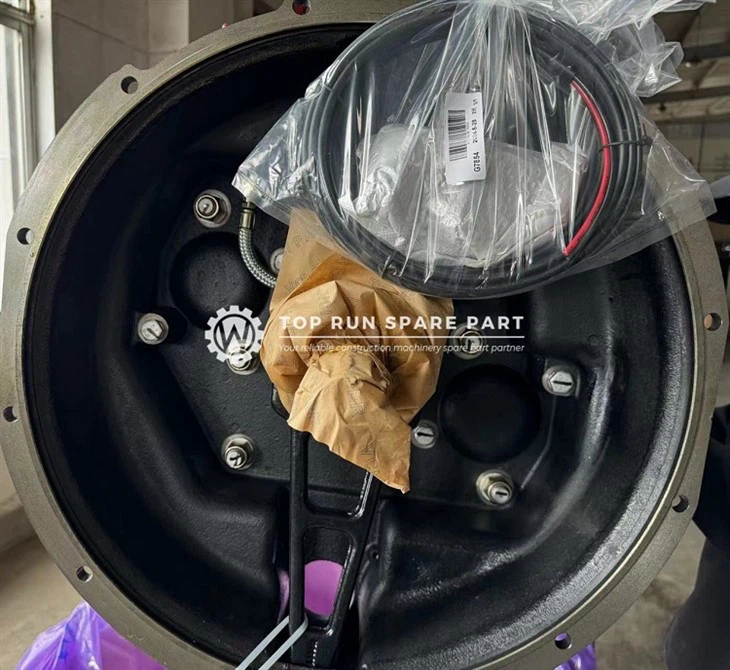
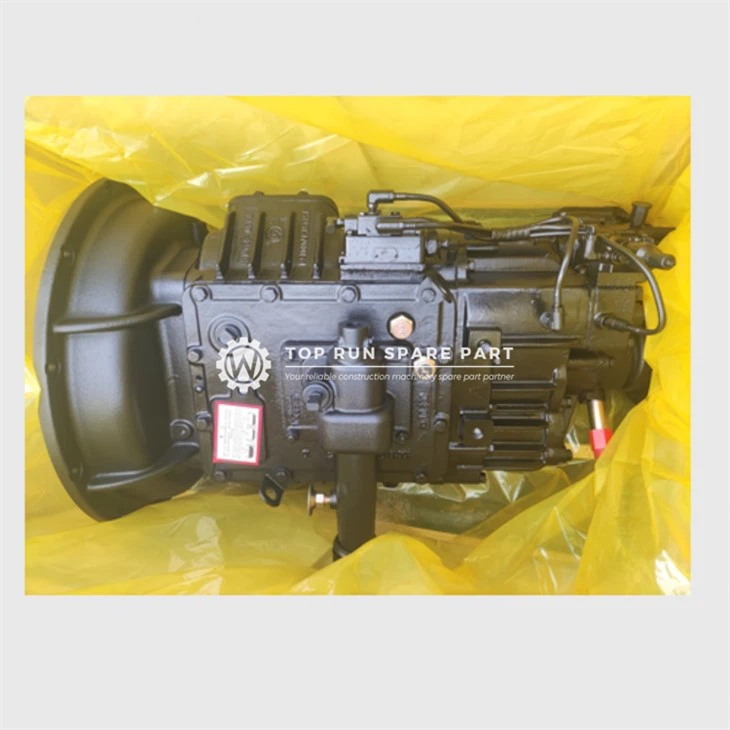
In addition to Crane Moment Limiters, there are other important spare parts that contribute to the overall performance and safety of cranes. For example, Crane Pump Parts play a vital role in the hydraulic system of the crane. A well - functioning pump is essential for lifting and moving heavy loads smoothly. Similarly, Truck Crane Gearbox and Gearbox Assy Or Transmission are critical components that enable the crane to transfer power from the engine to the wheels or the lifting mechanism. Ensuring the quality and proper maintenance of these spare parts is as important as having a reliable Crane Moment Limiter.
Conclusion and Call to Action
In conclusion, the communication between a Crane Moment Limiter and the crane operator is a multi - faceted process that relies on visual, audible, haptic, and digital means. This communication is essential for ensuring the safety and efficiency of crane operations. As a supplier of Crane Moment Limiters, I understand the importance of providing high - quality products that can effectively communicate with operators.
If you're in the market for a reliable Crane Moment Limiter or other crane spare parts, I encourage you to reach out. We have a wide range of products that are designed to meet the highest safety and performance standards. Contact us today to start a conversation about your specific needs and how we can help you optimize your crane operations.
References
- ASTM International. (20XX). Standards for crane safety and operation.
- Manufacturer's manuals for Crane Moment Limiters.
- Industry research reports on crane technology and safety.
Categories
QR Code


