How does an excavator transmission filter work?
 Language
 Français
 Español
 Árabe
Árabe
 Deutsch
 简体中文
简体中文
 Português
 Русский
 日本語
日本語
 한국어
한국어
 हिंदी
हिंदी
 Prancis
 Türkçe
 Tiếng Việt
 Italiano
 ไทย
ไทย

-
Tel
+86 15275228746
-
WhatsApp/WeChat
8615275228746
Blog
Company intro
10000m 2+ Cover Area QINGDAO TOP RUN INTERNATIONAL TRADE CO., LTD Qingdao Top Run International Trade Co., Ltd. has been a professional and leading supplier of construction machinery spare parts in China for over 15 years. With extensive experience and expertise, we have established strong partnerships with top manufacturers to offer a wide range of genuine and OEM parts for brands such as XCMG, SANY, ZOOMLION, SHANTUI, LIUGONG, and more. 80+ Employees View more Looking for properate products? Contact us
Send Message
How does an excavator transmission filter work?
Sep 22, 2025
View: 199
An excavator is a powerful and versatile piece of heavy machinery commonly used in construction, mining, and various earth - moving operations. One of the crucial components that ensure its smooth and efficient operation is the transmission filter. As a trusted Excavator Filters supplier, I am well - versed in the functionality and importance of these filters. In this blog, I'll delve into how an excavator transmission filter works.
The Role of the Transmission in an Excavator
Before we understand the transmission filter, it's essential to know the role of the transmission in an excavator. The transmission is responsible for transferring power from the engine to the wheels or tracks of the excavator. It allows the machine to change gears, enabling it to operate at different speeds and handle various loads. A well - functioning transmission is vital for the overall performance and productivity of the excavator.
Contaminants in the Transmission Fluid
The transmission fluid in an excavator serves multiple purposes. It lubricates the moving parts within the transmission, reduces friction and wear, and helps in heat dissipation. However, during the operation of the excavator, the transmission fluid can become contaminated. Contaminants can come from various sources, such as metal particles generated by the wear and tear of gears and bearings, dirt and dust that enter the system through seals, and oxidation by - products of the fluid itself.
If these contaminants are not removed from the transmission fluid, they can cause significant damage to the transmission components. Metal particles can scratch and abrade the surfaces of gears and bearings, leading to premature wear and reduced efficiency. Dirt and dust can clog small passages in the transmission, restricting the flow of fluid and causing overheating. Oxidation by - products can thicken the fluid, reducing its lubricating properties.
How the Transmission Filter Works
The excavator transmission filter is designed to remove these contaminants from the transmission fluid, ensuring that only clean fluid circulates through the transmission system. Here's a step - by - step breakdown of how it works:
1. Fluid Intake
The transmission fluid is first drawn into the filter. This usually occurs when the excavator's transmission pump starts to circulate the fluid. The pump creates a pressure differential that forces the fluid into the filter housing.
2. Filtration Process
Once inside the filter, the fluid passes through a filtering medium. The filtering medium is typically made of a porous material, such as paper, synthetic fibers, or a combination of both. The pores in the filtering medium are sized to trap contaminants of a certain size. For example, a high - quality transmission filter can trap particles as small as a few microns.
As the fluid flows through the filtering medium, contaminants are physically blocked and held within the filter. Larger particles are trapped on the surface of the medium, while smaller particles may be captured within the pores. The design of the filtering medium is optimized to provide a large surface area for filtration, which allows for efficient removal of contaminants without significantly restricting the flow of fluid.
3. Clean Fluid Return
After passing through the filtering medium, the clean fluid exits the filter and is returned to the transmission system. This clean fluid can then continue to perform its functions of lubrication, heat dissipation, and power transfer effectively.

4. Filter Monitoring and Replacement
Over time, the filter will accumulate contaminants, and its filtering efficiency will gradually decrease. To ensure the continued proper functioning of the transmission, it's important to monitor the condition of the filter. Some excavators are equipped with indicators that signal when the filter needs to be replaced. In other cases, regular maintenance schedules are established based on the operating hours of the excavator.
When the filter reaches its capacity or when it shows signs of reduced performance, it should be replaced with a new one. Using a high - quality replacement filter, such as those available from Excavator Filters, is crucial to maintain the integrity of the transmission system.
Different Types of Excavator Transmission Filters
There are several types of excavator transmission filters, each with its own characteristics and applications:
1. Spin - on Filters
Spin - on filters are one of the most common types of transmission filters. They are easy to install and replace. The filter element is enclosed in a metal canister with a threaded base. To replace the filter, you simply spin off the old canister and spin on a new one. These filters are widely used in many excavator models due to their convenience.
2. Cartridge Filters
Cartridge filters consist of a replaceable filter element that is housed in a separate filter housing. The housing is usually made of metal or plastic. Cartridge filters are often used in applications where a higher level of filtration is required or where space constraints make a spin - on filter impractical.
3. Magnetic Filters
In addition to the standard filtering media, some excavator transmission filters incorporate magnetic elements. These magnetic filters are designed to attract and hold metal particles, which are common contaminants in the transmission fluid. By using a magnetic filter in combination with a traditional filtering medium, the overall filtration efficiency can be significantly improved.
Importance of Using High - Quality Transmission Filters
Using high - quality transmission filters is essential for the long - term health of an excavator's transmission system. Here are some reasons why:
1. Extended Component Life
By effectively removing contaminants from the transmission fluid, high - quality filters reduce wear and tear on transmission components. This can extend the lifespan of gears, bearings, and other critical parts, saving on costly repairs and replacements.
2. Improved Performance
Clean transmission fluid ensures smooth gear shifting and efficient power transfer. This results in better overall performance of the excavator, including increased productivity and reduced fuel consumption.
3. Reliability
A well - filtered transmission system is less likely to experience breakdowns and malfunctions. This improves the reliability of the excavator, reducing downtime and increasing the profitability of construction and mining operations.
Related Excavator Parts
In addition to transmission filters, there are other important excavator parts that play a crucial role in the machine's operation. For example, Excavator Teeth are essential for digging and breaking through various materials. They need to be strong and durable to withstand the high forces involved in excavation.
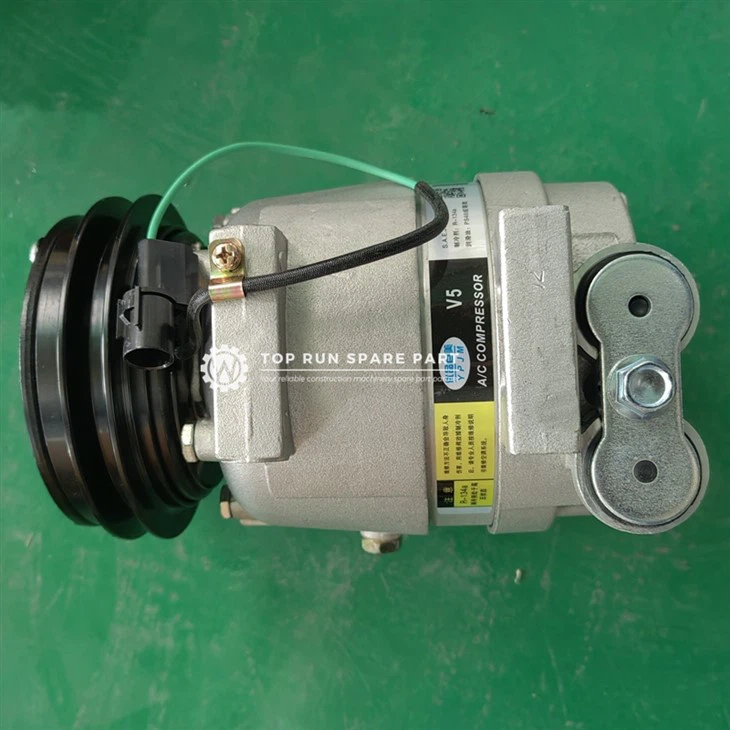
Another important part is the Excavator Compressor. The compressor is used to provide compressed air for various functions, such as operating pneumatic tools and cleaning systems. A reliable compressor ensures that these functions can be carried out efficiently.
Contact for Procurement
If you're in the market for high - quality excavator filters or other related parts, I encourage you to reach out for procurement discussions. We have a wide range of products that are designed to meet the specific needs of different excavator models. Whether you're a small construction company or a large mining operation, we can provide you with the right solutions to keep your excavators running smoothly.
References
- "Heavy Equipment Maintenance Handbook"
- "Excavator Technology and Operation Manuals"
Categories
QR Code


