How does the curvature affect the material flow in a wheel loader bucket?
 Language
 Français
 Español
 Árabe
Árabe
 Deutsch
 简体中文
简体中文
 Português
 Русский
 日本語
日本語
 한국어
한국어
 हिंदी
हिंदी
 Prancis
 Türkçe
 Tiếng Việt
 Italiano
 ไทย
ไทย

-
Tel
+86 15275228746
-
WhatsApp/WeChat
8615275228746
Blog
Company intro
10000m 2+ Cover Area QINGDAO TOP RUN INTERNATIONAL TRADE CO., LTD Qingdao Top Run International Trade Co., Ltd. has been a professional and leading supplier of construction machinery spare parts in China for over 15 years. With extensive experience and expertise, we have established strong partnerships with top manufacturers to offer a wide range of genuine and OEM parts for brands such as XCMG, SANY, ZOOMLION, SHANTUI, LIUGONG, and more. 80+ Employees View more Looking for properate products? Contact us
Send Message
How does the curvature affect the material flow in a wheel loader bucket?
Jul 23, 2025
View: 211
The curvature of a wheel loader bucket plays a crucial role in determining the efficiency and effectiveness of material handling operations. As a leading supplier of [Wheel Loader Bucket], I have witnessed firsthand how the design of the bucket's curvature can significantly impact material flow. In this blog post, I will delve into the science behind the curvature of wheel loader buckets and explore how it affects material flow.
Understanding Material Flow in a Wheel Loader Bucket
Before we discuss the impact of curvature on material flow, it's essential to understand the basic principles of material flow in a wheel loader bucket. When a wheel loader scoops up material, the bucket's design determines how the material enters, moves within, and exits the bucket. The material flow is influenced by several factors, including the shape of the bucket, the angle of the cutting edge, and the curvature of the bucket walls.
The primary goal of a wheel loader bucket is to efficiently collect, transport, and discharge material. To achieve this, the bucket must be designed to minimize resistance and maximize the flow of material. A well-designed bucket will allow the material to enter smoothly, move freely within the bucket, and be discharged quickly and completely.
The Role of Curvature in Material Flow
The curvature of a wheel loader bucket can have a profound impact on material flow. The curvature affects the way the material enters the bucket, how it is retained within the bucket, and how it is discharged. Let's explore each of these aspects in more detail.
1. Material Entry
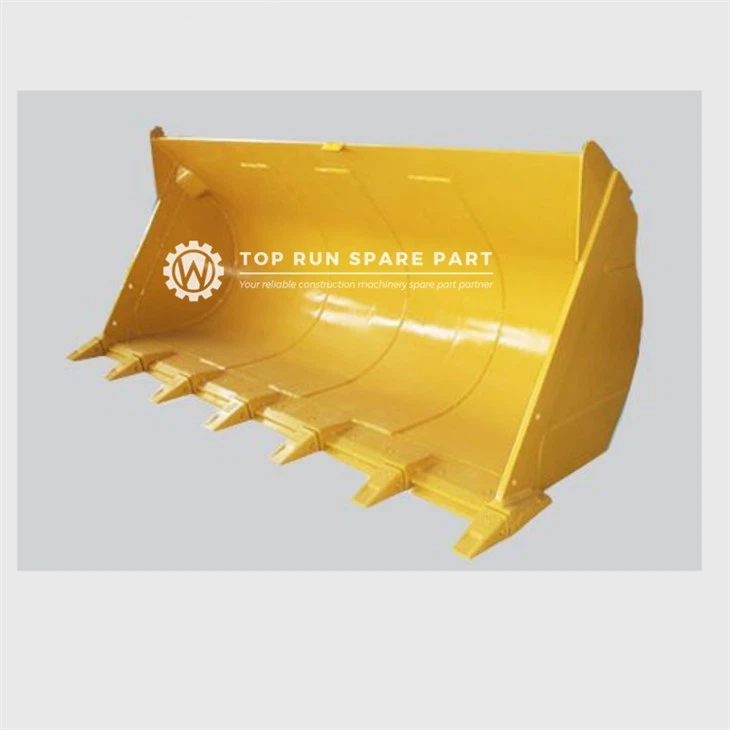
The curvature of the bucket's leading edge, also known as the cutting edge, plays a crucial role in material entry. A bucket with a well-designed curvature will allow the material to enter the bucket smoothly, reducing the resistance and the amount of force required to scoop up the material. A sharp, curved cutting edge can penetrate the material more easily, allowing the bucket to dig deeper and collect more material with each pass.
For example, a bucket with a parabolic or semi-circular cutting edge can create a more efficient flow of material into the bucket. The curved shape helps to guide the material towards the center of the bucket, reducing the likelihood of spillage and improving the overall efficiency of the scooping process.
2. Material Retention
Once the material is inside the bucket, the curvature of the bucket walls affects how it is retained. A bucket with a proper curvature will prevent the material from spilling out during transport. The curvature helps to create a natural barrier that holds the material in place, especially when the wheel loader is moving or operating on uneven terrain.
A bucket with a deep, curved shape can provide better material retention compared to a flat or shallow bucket. The curved walls help to contain the material and prevent it from sliding out, ensuring that the maximum amount of material is transported to the desired location.
3. Material Discharge
The curvature of the bucket's rear wall and the shape of the discharge opening also play a significant role in material discharge. A well-designed curvature will allow the material to be discharged quickly and completely, minimizing the amount of material that remains in the bucket after each cycle.
A bucket with a curved rear wall can help to guide the material towards the discharge opening, reducing the resistance and improving the flow of material out of the bucket. Additionally, the shape of the discharge opening can be optimized to ensure a smooth and even flow of material. For example, a wider discharge opening can allow the material to be discharged more quickly, while a tapered opening can help to control the flow of material and prevent it from spilling out too rapidly.
Factors Affecting Curvature Design
When designing the curvature of a wheel loader bucket, several factors need to be considered. These factors include the type of material being handled, the operating conditions, and the specific requirements of the application.
1. Type of Material
The type of material being handled is one of the most important factors in determining the optimal curvature of the bucket. Different materials have different properties, such as density, viscosity, and particle size, which can affect how they flow.
For example, handling loose, granular materials such as sand or gravel may require a bucket with a more open and shallow curvature to allow the material to flow freely. On the other hand, handling sticky or cohesive materials such as clay or wet soil may require a bucket with a deeper and more curved shape to prevent the material from sticking to the walls and ensure complete discharge.
2. Operating Conditions
The operating conditions, such as the terrain, the weather, and the frequency of use, can also influence the curvature design. For example, operating on rough or uneven terrain may require a bucket with a more robust and curved design to withstand the impact and stress. Similarly, operating in wet or muddy conditions may require a bucket with a smooth and curved surface to prevent the material from sticking.
3. Application Requirements
The specific requirements of the application, such as the desired capacity, the discharge height, and the loading and unloading methods, can also affect the curvature design. For example, a bucket used for high-capacity loading may require a larger and more curved design to accommodate the increased volume of material. Similarly, a bucket used for precise unloading may require a more controlled and shaped discharge opening.
Our Solutions: Optimized Curvature for Wheel Loader Buckets
As a [Wheel Loader Bucket] supplier, we understand the importance of optimizing the curvature of our buckets to meet the diverse needs of our customers. Our engineering team uses advanced design tools and simulation techniques to analyze the material flow and optimize the curvature of our buckets for different applications.
We offer a wide range of wheel loader buckets with various curvatures and designs to suit different types of materials and operating conditions. Our buckets are made from high-quality materials and are designed to provide maximum durability, efficiency, and performance.
In addition to our standard bucket designs, we also offer custom-designed buckets to meet the specific requirements of our customers. Our team of experts will work closely with you to understand your needs and design a bucket with the optimal curvature for your application.
Related Spare Parts
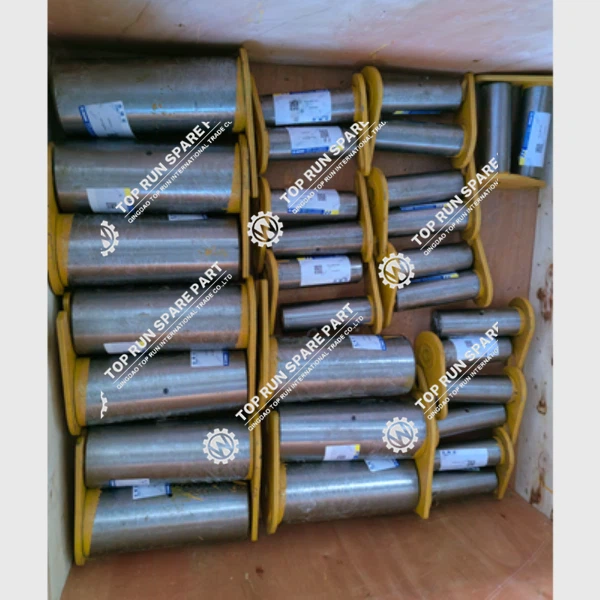
To ensure the smooth operation of your wheel loader bucket, we also offer a range of high-quality spare parts. These include 252600341Buket Pin Shaft and Gear Pump CBN-E32 803004032. These spare parts are designed to fit perfectly with our wheel loader buckets and provide reliable performance.
Contact Us for Purchase and Negotiation
If you are looking for a high-quality Wheel Loader Bucket or related spare parts, we invite you to contact us for purchase and negotiation. Our team of experts will be happy to assist you in selecting the right bucket and spare parts for your needs. We are committed to providing our customers with the best products and services at competitive prices.
References
- Smith, J. (2018). Design and Analysis of Earthmoving Equipment Buckets. Journal of Construction Equipment Engineering, 2(1), 1-15.
- Johnson, R. (2019). The Impact of Bucket Design on Material Handling Efficiency. Proceedings of the International Conference on Material Handling, 2019, 234-240.
- Brown, A. (2020). Optimization of Wheel Loader Bucket Curvature for Improved Material Flow. International Journal of Mining and Mineral Engineering, 10(2), 78-85.
Categories
QR Code


