How does the starting torque of an Oil Scavenger Pump matter?
 Language
 Français
 Español
 Árabe
Árabe
 Deutsch
 简体中文
简体中文
 Português
 Русский
 日本語
日本語
 한국어
한국어
 हिंदी
हिंदी
 Prancis
 Türkçe
 Tiếng Việt
 Italiano
 ไทย
ไทย

-
Tel
+86 15275228746
-
WhatsApp/WeChat
8615275228746
Blog
Company intro
10000m 2+ Cover Area QINGDAO TOP RUN INTERNATIONAL TRADE CO., LTD Qingdao Top Run International Trade Co., Ltd. has been a professional and leading supplier of construction machinery spare parts in China for over 15 years. With extensive experience and expertise, we have established strong partnerships with top manufacturers to offer a wide range of genuine and OEM parts for brands such as XCMG, SANY, ZOOMLION, SHANTUI, LIUGONG, and more. 80+ Employees View more Looking for properate products? Contact us
Send Message
How does the starting torque of an Oil Scavenger Pump matter?
Sep 25, 2025
View: 188
In the realm of heavy - duty machinery, especially in large construction equipment like Shantui bulldozers, the performance of various components is crucial for the overall efficiency and reliability of the machine. As a supplier of essential parts such as the Oil Scavenger Pump, I have witnessed firsthand the significance of understanding the technical aspects of these components. One of the key parameters that often gets overlooked but plays a vital role is the starting torque of an Oil Scavenger Pump.
Understanding the Oil Scavenger Pump
Before delving into the importance of starting torque, let's first understand what an Oil Scavenger Pump does. An Oil Scavenger Pump is a critical component in the lubrication system of heavy - duty machinery. Its primary function is to collect the used oil from different parts of the engine, such as the crankcase, and return it to the oil reservoir. This process is essential for maintaining proper oil levels, preventing oil accumulation in unwanted areas, and ensuring continuous lubrication throughout the engine.
What is Starting Torque?
Starting torque refers to the torque required to initiate the rotation of the pump's shaft from a stationary position. It is a measure of the force needed to overcome the inertia of the pump's moving parts and any resistance within the system at startup. In the context of an Oil Scavenger Pump, starting torque is influenced by several factors, including the pump's design, the viscosity of the oil, and the load on the pump.
The Importance of Starting Torque
1. System Reliability
A sufficient starting torque ensures that the Oil Scavenger Pump can start up smoothly and reliably every time the engine is started. In heavy - duty applications, such as construction sites where equipment is often subjected to harsh operating conditions, the pump may encounter high - viscosity oil, especially in cold weather. If the starting torque is insufficient, the pump may fail to start or experience a delayed start, which can lead to oil starvation in the engine. This, in turn, can cause increased wear and tear on engine components, reduced engine performance, and even engine failure.
2. Oil Circulation
Proper starting torque is essential for establishing efficient oil circulation from the very beginning of the engine operation. When the engine starts, the Oil Scavenger Pump needs to quickly remove the used oil from the crankcase and other areas to prevent oil from pooling. If the starting torque is too low, the pump may not be able to generate enough suction force to draw the oil effectively, resulting in poor oil circulation. This can lead to hot spots in the engine, overheating, and decreased lubrication efficiency.
3. Compatibility with Other Components
The starting torque of the Oil Scavenger Pump also needs to be compatible with the overall power system of the machinery. In a Shantui bulldozer, for example, the engine's electrical system provides the power to start the pump. If the starting torque requirements of the pump are too high, it may place excessive strain on the electrical system, leading to battery drain, electrical component failure, or even stalling of the engine during startup. On the other hand, if the starting torque is too low, the pump may not be able to perform its function properly, as mentioned earlier.
Factors Affecting Starting Torque
1. Pump Design
The design of the Oil Scavenger Pump plays a significant role in determining its starting torque. Pumps with a more complex design, such as those with multiple stages or high - precision components, may have higher starting torque requirements. Additionally, the type of pump, such as a gear pump, vane pump, or piston pump, can also affect the starting torque. For example, gear pumps are known for their relatively high starting torque due to the meshing of the gears, which requires more force to initiate rotation.
2. Oil Viscosity
Oil viscosity is another critical factor that affects starting torque. In cold weather, the viscosity of the oil increases, making it thicker and more resistant to flow. This increased viscosity creates more resistance for the pump to overcome during startup, resulting in a higher starting torque requirement. As a supplier, we often recommend using low - viscosity oils in cold climates to reduce the starting torque and ensure smooth pump operation.
3. Load on the Pump
The load on the Oil Scavenger Pump, which is determined by the amount of oil it needs to handle and the pressure within the system, also affects the starting torque. If the pump is required to handle a large volume of oil or operate under high - pressure conditions, it will need more torque to start. For example, in a high - performance engine with a large displacement, the Oil Scavenger Pump may need to work harder to keep up with the increased oil flow, resulting in a higher starting torque requirement.
Measuring and Testing Starting Torque
As a supplier, we understand the importance of accurately measuring and testing the starting torque of our Oil Scavenger Pumps. We use specialized equipment, such as torque sensors and dynamometers, to measure the torque required to start the pump under different conditions. These tests are conducted in our state - of - the - art laboratories, where we can simulate real - world operating conditions, including different oil viscosities and temperatures. By performing these tests, we can ensure that our pumps meet the highest quality standards and provide reliable performance in various applications.
Impact on Other Components
The starting torque of the Oil Scavenger Pump can also have an impact on other components in the lubrication system. For example, if the starting torque is too high, it can cause excessive stress on the pump's drive shaft and coupling, leading to premature wear and failure. Additionally, it can affect the performance of the oil filter, as a pump with insufficient starting torque may not be able to draw oil through the filter effectively, reducing its filtering efficiency.
Real - World Examples
Let's consider a real - world scenario in a construction site. A Shantui bulldozer is operating in a cold climate. The Oil Scavenger Pump in the bulldozer has a starting torque that is just sufficient under normal operating conditions but may struggle in cold weather due to the increased oil viscosity. If the starting torque is not enough to overcome the resistance, the pump may fail to start or start slowly, causing oil to accumulate in the crankcase. This can lead to reduced engine performance, increased fuel consumption, and potential damage to the engine over time.
Conclusion
In conclusion, the starting torque of an Oil Scavenger Pump is a critical parameter that directly affects the performance, reliability, and longevity of the entire engine lubrication system. As a supplier of Oil Scavenger Pumps, we are committed to providing high - quality pumps with optimal starting torque characteristics. Our pumps are designed and tested to ensure reliable operation in a wide range of operating conditions, from extreme cold to high - temperature environments.
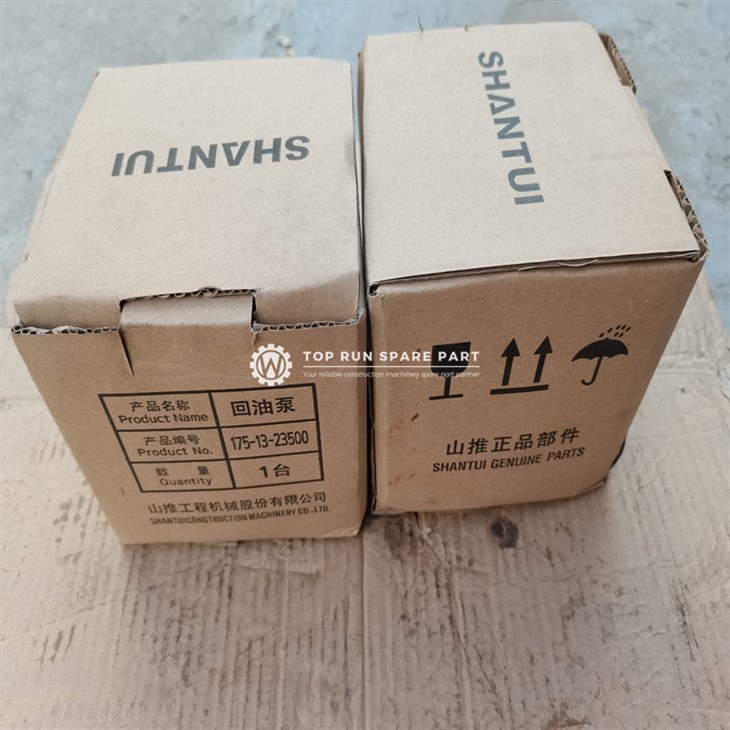
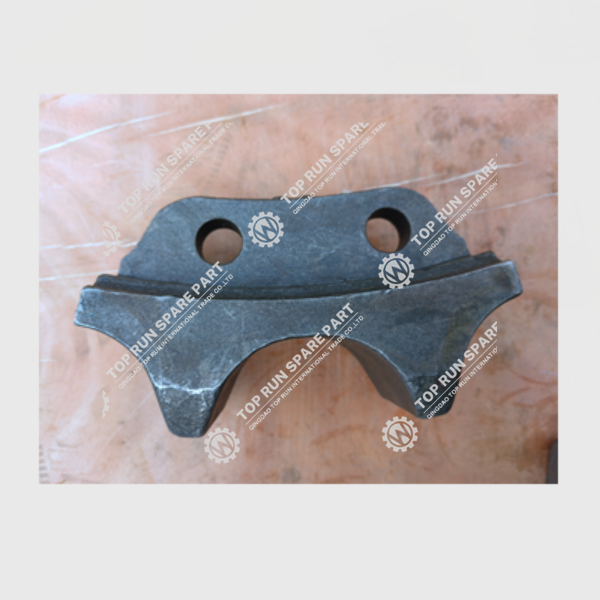
If you are in the market for an Oil Scavenger Pump or other Shantui bulldozer spare parts, such as the Water Tank Radiator for Shantui or 154 - 27 - 12273 Sprocket Teath, we invite you to contact us for a detailed discussion on your specific requirements. Our team of experts is ready to assist you in selecting the right parts for your equipment and ensuring optimal performance.
References
- "Handbook of Pump Technology" - This comprehensive handbook provides in - depth information on pump design, operation, and performance, including starting torque.
- "Lubrication Fundamentals" - A valuable resource for understanding the role of oil in engine lubrication and the importance of proper oil circulation, which is closely related to the function of the Oil Scavenger Pump.
- Manufacturer's technical documentation for Shantui bulldozers, which includes specifications and guidelines for the operation and maintenance of various components, including the Oil Scavenger Pump.
Categories
QR Code


