How does the weight of an Oil Scavenger Pump affect its installation and use?
 Language
 Français
 Español
 Árabe
Árabe
 Deutsch
 简体中文
简体中文
 Português
 Русский
 日本語
日本語
 한국어
한국어
 हिंदी
हिंदी
 Prancis
 Türkçe
 Tiếng Việt
 Italiano
 ไทย
ไทย

-
Tel
+86 15275228746
-
WhatsApp/WeChat
8615275228746
Blog
Company intro
10000m 2+ Cover Area QINGDAO TOP RUN INTERNATIONAL TRADE CO., LTD Qingdao Top Run International Trade Co., Ltd. has been a professional and leading supplier of construction machinery spare parts in China for over 15 years. With extensive experience and expertise, we have established strong partnerships with top manufacturers to offer a wide range of genuine and OEM parts for brands such as XCMG, SANY, ZOOMLION, SHANTUI, LIUGONG, and more. 80+ Employees View more Looking for properate products? Contact us
Send Message
How does the weight of an Oil Scavenger Pump affect its installation and use?
Nov 18, 2025
View: 194
Hey there! As a supplier of Oil Scavenger Pumps, I've seen firsthand how the weight of these pumps can have a real impact on their installation and use. So, let's dive right in and talk about how this weight factor plays out.
First off, let's understand what an Oil Scavenger Pump is. It's a crucial component in many machines, especially in heavy - duty equipment. Its main job is to scavenge or collect the oil that has been used in the system and return it to the reservoir. This helps in maintaining the proper oil level and ensuring the smooth operation of the machinery.
Now, when it comes to the weight of the Oil Scavenger Pump, it can affect the installation process in several ways. For starters, a heavier pump means more muscle is needed to lift and position it. If you're working on a large - scale industrial installation, this might not be a huge deal as you'll likely have access to lifting equipment like cranes or hoists. But for smaller workshops or DIY projects, a heavy pump can be a real pain in the neck. You might need an extra pair of hands or some specialized tools to get it into place safely.
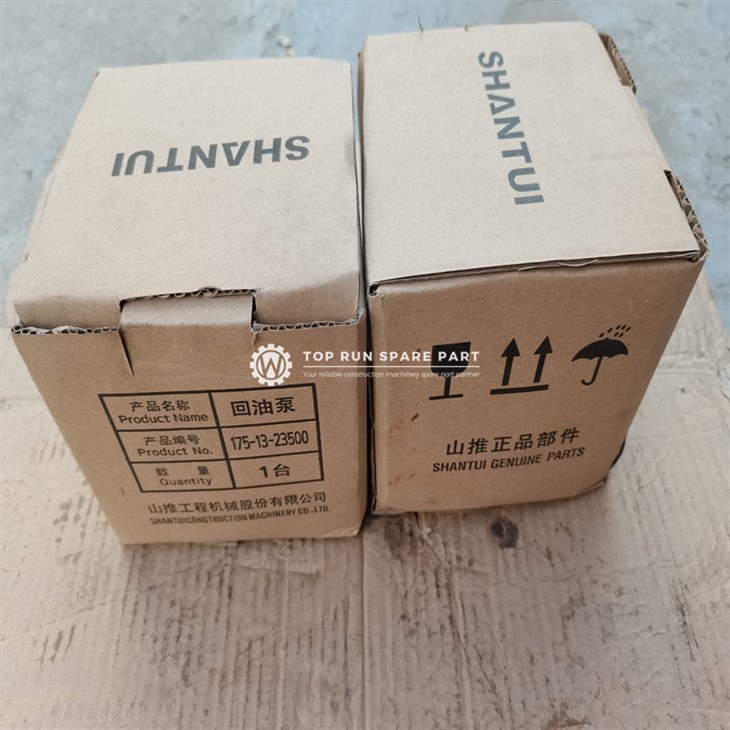
Let's say you're installing an Oil Scavenger Pump on a piece of construction equipment. If the pump is too heavy, it can put additional stress on the mounting points. The mounting brackets or bolts might need to be stronger to support the extra weight. Otherwise, there's a risk of the pump coming loose over time, which can lead to all sorts of problems, like oil leaks or even damage to the surrounding components.
Another aspect of installation affected by weight is the alignment. A heavier pump is more difficult to align properly. Misalignment can cause the pump to work inefficiently, leading to increased wear and tear on the pump itself and other parts of the system. You might end up with a pump that doesn't scavenge the oil as effectively as it should, which can lead to overheating and reduced performance of the machinery.
When it comes to the use of the Oil Scavenger Pump, weight also plays a significant role. A heavier pump generally requires more power to operate. This means that the engine or motor driving the pump has to work harder, which can result in increased fuel consumption or higher electricity bills, depending on the power source. In a cost - conscious industry, this can add up over time and eat into your profits.
Moreover, the weight of the pump can affect the overall balance of the equipment. If the pump is located on one side of the machine, a heavy pump can cause the equipment to be off - balance. This can make the machine more difficult to operate, especially in situations where precise control is required. For example, in a bulldozer, an unbalanced machine can be harder to maneuver, which can be a safety hazard for the operator.
Let's compare a lightweight Oil Scavenger Pump with a heavy one. A lightweight pump is much easier to install. You can handle it with less effort, and it's more likely to be aligned correctly without too much hassle. During use, a lightweight pump consumes less power, which is great for the bottom line. It also has less impact on the balance of the equipment, making the machinery more stable and easier to operate.
Now, I know what you might be thinking. "But a heavier pump must be better, right? It's probably more durable." Well, not necessarily. While a heavier pump might have a sturdier construction, it doesn't always mean it's going to last longer. In fact, the extra stress on the mounting points and the increased power consumption can actually reduce its lifespan.
In some cases, the weight of the Oil Scavenger Pump might be determined by the materials used in its construction. For example, pumps made from high - density metals will be heavier than those made from lightweight alloys. However, technological advancements have made it possible to produce lightweight pumps that are just as strong and durable as their heavier counterparts.
Let's talk about some real - world examples. In the mining industry, where equipment operates in harsh conditions, the weight of the Oil Scavenger Pump can be a critical factor. A heavy pump might be more resistant to the rough vibrations and impacts, but it can also add unnecessary weight to the mining equipment, which can slow it down and increase fuel consumption. On the other hand, a lightweight pump can provide the same level of performance without the added weight penalty.
In the automotive industry, weight is always a concern. Car manufacturers are constantly looking for ways to reduce the weight of their vehicles to improve fuel efficiency. An Oil Scavenger Pump that is too heavy can offset some of the gains made in other areas of the vehicle's design. So, choosing a lightweight pump can be a smart move for automotive applications.
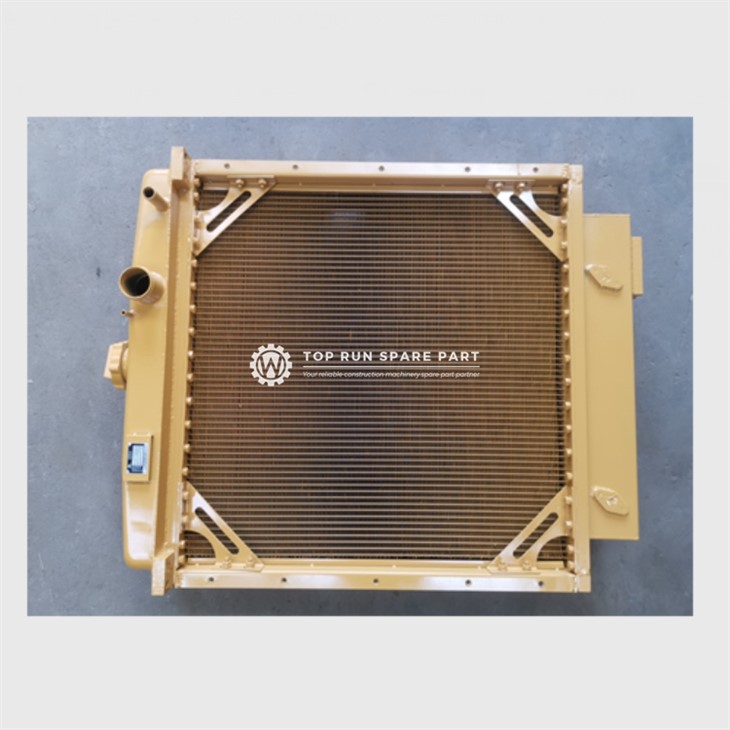
If you're in the market for an Oil Scavenger Pump, it's important to consider the weight in relation to your specific needs. Think about the installation process, the power requirements, and the impact on the overall performance of your equipment. And don't forget to take a look at our Water Tank Radiator for Shantui and 154 - 27 - 12273 Sprocket Teath as well. These are also essential components for your heavy - duty equipment.
If you have any questions about our Oil Scavenger Pumps or need help in choosing the right one for your application, don't hesitate to reach out. We're here to assist you in making the best decision for your business. Whether you're a large - scale industrial operation or a small - time workshop, we've got the expertise and the products to meet your needs.
References:
- Engineering textbooks on pump design and operation
- Industry reports on heavy - duty equipment performance
- Case studies from mining and automotive industries
Categories
QR Code


