How has the technology of Crane Controllers evolved over the years?
 Language
 Français
 Español
 Árabe
Árabe
 Deutsch
 简体中文
简体中文
 Português
 Русский
 日本語
日本語
 한국어
한국어
 हिंदी
हिंदी
 Prancis
 Türkçe
 Tiếng Việt
 Italiano
 ไทย
ไทย

-
Tel
+86 15275228746
-
WhatsApp/WeChat
8615275228746
Blog
Company intro
10000m 2+ Cover Area QINGDAO TOP RUN INTERNATIONAL TRADE CO., LTD Qingdao Top Run International Trade Co., Ltd. has been a professional and leading supplier of construction machinery spare parts in China for over 15 years. With extensive experience and expertise, we have established strong partnerships with top manufacturers to offer a wide range of genuine and OEM parts for brands such as XCMG, SANY, ZOOMLION, SHANTUI, LIUGONG, and more. 80+ Employees View more Looking for properate products? Contact us
Send Message
How has the technology of Crane Controllers evolved over the years?
Sep 17, 2025
View: 190
Over the years, the technology of crane controllers has undergone a remarkable evolution, revolutionizing the way cranes are operated and managed. As a leading crane controller supplier, I have witnessed firsthand the transformative journey of this technology, from its humble beginnings to the sophisticated systems we have today. In this blog post, I will delve into the key milestones and advancements in crane controller technology, highlighting the impact they have had on the efficiency, safety, and performance of cranes.
Early Days of Crane Controllers
In the early days of crane operation, controllers were relatively simple devices that provided basic functionality for controlling the movement of the crane. These early controllers typically consisted of manual levers or switches that allowed operators to control the hoisting, lowering, and horizontal movement of the crane. While these controllers were effective for their time, they had several limitations. They required a high level of skill and experience from the operator, and the control was often imprecise, leading to inefficiencies and potential safety risks.
Introduction of Electrical and Hydraulic Controls
The next major advancement in crane controller technology came with the introduction of electrical and hydraulic controls. Electrical controls replaced the manual levers with electrical switches and relays, allowing for more precise and consistent control of the crane's movements. Hydraulic controls, on the other hand, used hydraulic fluid to transmit power and control the movement of the crane's components. These advancements significantly improved the efficiency and safety of crane operation, as they allowed for smoother and more accurate control of the crane.
Programmable Logic Controllers (PLCs)
The development of programmable logic controllers (PLCs) in the 1970s was a game-changer for crane controller technology. PLCs are digital computers that can be programmed to control a wide range of industrial processes, including crane operation. By using PLCs, crane controllers could be programmed to perform complex tasks, such as automatic load positioning, anti-sway control, and collision avoidance. This not only improved the efficiency and productivity of crane operation but also enhanced safety by reducing the risk of human error.
Integration of Sensors and Automation
In recent years, the integration of sensors and automation has become a key trend in crane controller technology. Sensors such as load sensors, position sensors, and proximity sensors are used to provide real-time data about the crane's operation, allowing the controller to make intelligent decisions and adjust the crane's movements accordingly. Automation features, such as automatic load handling and remote operation, have also become increasingly common, further improving the efficiency and safety of crane operation.
Wireless and Remote Control Technology
Another significant advancement in crane controller technology is the development of wireless and remote control technology. Wireless controllers allow operators to control the crane from a distance, providing greater flexibility and convenience. Remote control technology also enables operators to monitor and control the crane's operation from a central location, improving the overall management and efficiency of crane fleets.
Advanced Safety Features
Safety has always been a top priority in crane operation, and recent advancements in crane controller technology have focused on enhancing safety features. For example, modern crane controllers are equipped with features such as overload protection, anti-collision systems, and emergency stop buttons. These features help to prevent accidents and protect the operator, the crane, and the surrounding environment.
Impact on the Crane Industry
The evolution of crane controller technology has had a profound impact on the crane industry. The improved efficiency and productivity of modern crane controllers have allowed companies to increase their output and reduce costs. The enhanced safety features have also reduced the risk of accidents and injuries, making crane operation a safer and more attractive profession. Additionally, the integration of sensors and automation has enabled the development of smart cranes that can communicate with other equipment and systems, leading to the emergence of the Internet of Things (IoT) in the crane industry.
Our Role as a Crane Controller Supplier
As a crane controller supplier, we have been at the forefront of these technological advancements. We are committed to providing our customers with the latest and most advanced crane controller solutions that meet their specific needs. Our products are designed to be reliable, efficient, and easy to use, and we offer a comprehensive range of services, including installation, maintenance, and technical support.
We understand that every customer has unique requirements, and we work closely with them to develop customized solutions that meet their specific needs. Whether it's a small mobile crane or a large industrial crane, we have the expertise and experience to provide the right controller solution.
Product Highlights
In addition to our standard crane controller products, we also offer a range of high-quality spare parts for cranes. For example, we have the Pilot Valve 60034448, which is an essential component for the hydraulic control system of many cranes. This pilot valve is designed to provide precise control of the hydraulic fluid flow, ensuring smooth and efficient operation of the crane.
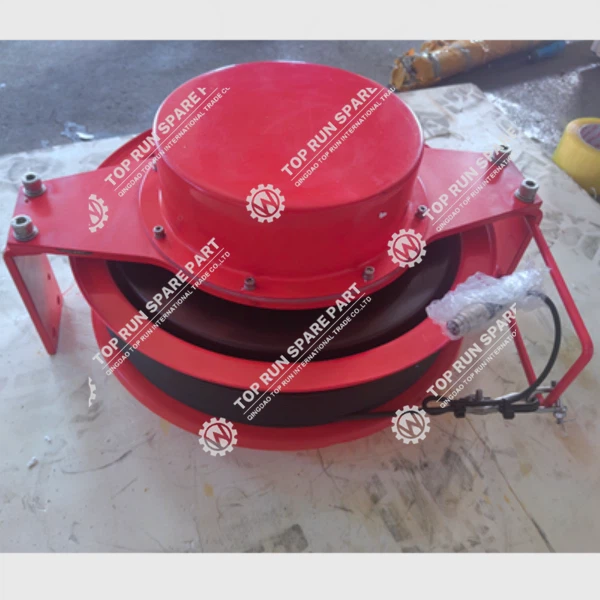
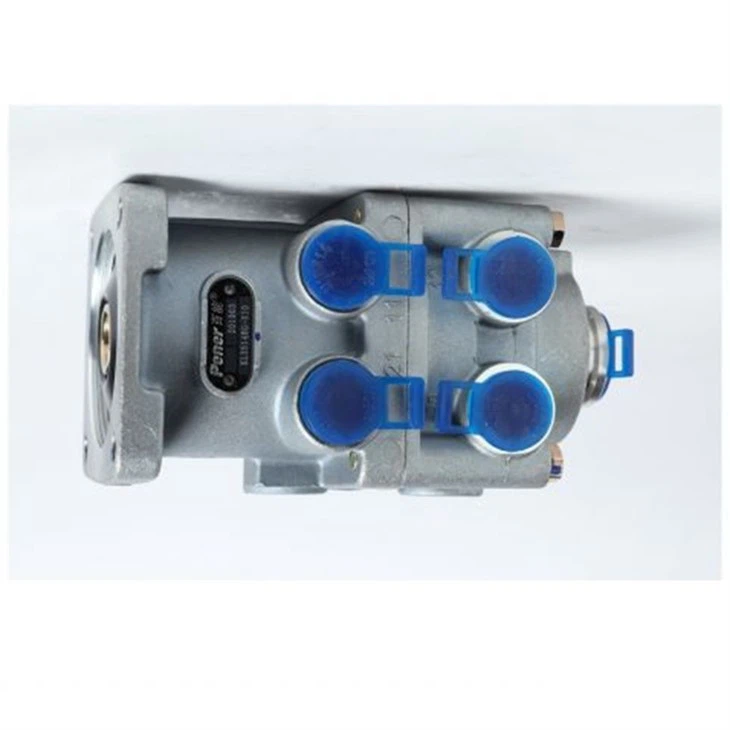
We also supply the 60185393 Gear Motor, which is used to drive various components of the crane, such as the hoist and the trolley. This gear motor is known for its high torque and reliability, making it a popular choice among crane operators.
Another important spare part we offer is the Length Sensor CJ-50M M 61028226 P 105292. This sensor is used to measure the length of the crane's boom or jib, providing accurate data for the controller to ensure safe and efficient operation.
Future Trends
Looking ahead, the future of crane controller technology is likely to be shaped by several key trends. These include the continued integration of sensors and automation, the development of artificial intelligence and machine learning algorithms, and the increasing use of wireless and cloud-based technologies. These trends will further enhance the efficiency, safety, and performance of crane operation, making cranes even more intelligent and autonomous.
Contact Us for Your Crane Controller Needs
If you are in the market for a new crane controller or need to replace an existing one, we invite you to contact us. Our team of experts will be happy to discuss your requirements and provide you with a customized solution that meets your needs. We are committed to providing the highest level of customer service and support, and we look forward to working with you to improve the efficiency and safety of your crane operation.
References
- "Crane Technology: An Overview" - Industrial Machinery Digest
- "The Evolution of Crane Control Systems" - Journal of Heavy Equipment Technology
- "Advances in Crane Safety and Automation" - International Journal of Construction Safety and Health
Categories
QR Code


