How long do excavator teeth last?
 Language
 Français
 Español
 Árabe
Árabe
 Deutsch
 简体中文
简体中文
 Português
 Русский
 日本語
日本語
 한국어
한국어
 हिंदी
हिंदी
 Prancis
 Türkçe
 Tiếng Việt
 Italiano
 ไทย
ไทย

-
Tel
+86 15275228746
-
WhatsApp/WeChat
8615275228746
Blog
Company intro
10000m 2+ Cover Area QINGDAO TOP RUN INTERNATIONAL TRADE CO., LTD Qingdao Top Run International Trade Co., Ltd. has been a professional and leading supplier of construction machinery spare parts in China for over 15 years. With extensive experience and expertise, we have established strong partnerships with top manufacturers to offer a wide range of genuine and OEM parts for brands such as XCMG, SANY, ZOOMLION, SHANTUI, LIUGONG, and more. 80+ Employees View more Looking for properate products? Contact us
Send Message
How long do excavator teeth last?
Nov 28, 2025
View: 202
The lifespan of excavator teeth is a crucial concern for construction companies, contractors, and anyone involved in the heavy machinery industry. As a supplier of high - quality Excavator Teeth, I've witnessed firsthand the impact that the durability of these components can have on overall project efficiency and cost - effectiveness. In this blog, we'll delve into the factors that influence how long excavator teeth last and provide some insights on maximizing their lifespan.
Factors Affecting the Lifespan of Excavator Teeth
1. Material Quality
The quality of the material used to manufacture excavator teeth is perhaps the most significant factor determining their longevity. High - grade alloys and steels are commonly used to produce teeth that can withstand the rigors of heavy - duty excavation. Teeth made from premium materials are more resistant to wear, abrasion, and impact. For instance, teeth forged from manganese steel offer excellent hardness and toughness, which are essential for cutting through hard rocks and dense soils. As a supplier, we ensure that our Excavator Teeth are crafted from top - notch materials, which significantly extends their service life compared to lower - quality alternatives.
2. Type of Application
The nature of the excavation work plays a vital role in determining how long excavator teeth will last. Different applications subject the teeth to varying levels of stress. For example, in light - duty applications such as digging in soft soil or sand, the teeth experience relatively less wear and tear. In contrast, heavy - duty applications like quarrying, mining, or breaking through concrete place extreme stress on the teeth. In these harsh environments, the teeth are constantly exposed to high - impact forces and abrasive materials, which can quickly wear them down. Therefore, it's essential to choose the right type of teeth for the specific application to ensure optimal performance and longevity.
3. Operating Conditions
The operating conditions also have a substantial impact on the lifespan of excavator teeth. Factors such as temperature, humidity, and the presence of corrosive substances can affect the integrity of the teeth. High temperatures can cause the metal to expand and contract, leading to fatigue and cracking over time. Humid environments can promote rust and corrosion, especially if the teeth are not properly coated or maintained. Additionally, working in areas with high levels of dust or abrasive particles can accelerate wear. For example, in desert regions, the fine sand particles can act like sandpaper on the teeth, gradually wearing them away.

4. Operator Skill
The skill of the excavator operator is another important factor. A skilled operator knows how to use the excavator efficiently, applying the right amount of force and avoiding unnecessary impacts. They can also adjust the digging angle and speed according to the type of material being excavated. On the other hand, an inexperienced operator may apply excessive force, causing the teeth to break or wear out prematurely. For example, ramming the teeth into hard objects or using the excavator in an aggressive manner can lead to rapid deterioration of the teeth.
Average Lifespan of Excavator Teeth
It's difficult to provide an exact figure for how long excavator teeth last because of the many variables involved. However, in general, for light - duty applications, excavator teeth can last anywhere from 500 to 1000 hours of operation. In medium - duty applications, such as digging in loamy soil or gravel, the lifespan may range from 200 to 500 hours. For heavy - duty applications like quarrying or mining, the teeth may need to be replaced after as little as 50 to 200 hours of use.
Tips to Extend the Lifespan of Excavator Teeth
1. Regular Inspection
Regularly inspecting the excavator teeth is crucial for detecting early signs of wear and damage. Check for cracks, chips, or excessive wear on the tips and edges of the teeth. If any issues are detected, it's important to address them promptly. Minor damage can often be repaired, but if left unattended, it can lead to more significant problems and ultimately shorten the lifespan of the teeth.
2. Proper Maintenance
Proper maintenance is essential for maximizing the lifespan of excavator teeth. This includes cleaning the teeth after each use to remove dirt, debris, and corrosive substances. Lubricating the connection points between the teeth and the adapter can also reduce friction and wear. Additionally, applying a protective coating to the teeth can help prevent rust and corrosion, especially in harsh operating environments.
3. Correct Installation
Ensuring that the excavator teeth are correctly installed is vital. Incorrect installation can cause uneven stress distribution on the teeth, leading to premature wear. It's important to follow the manufacturer's instructions carefully when installing the teeth. Make sure that the teeth are securely attached to the adapter and that all the bolts are tightened to the recommended torque.
4. Use of Compatible Parts
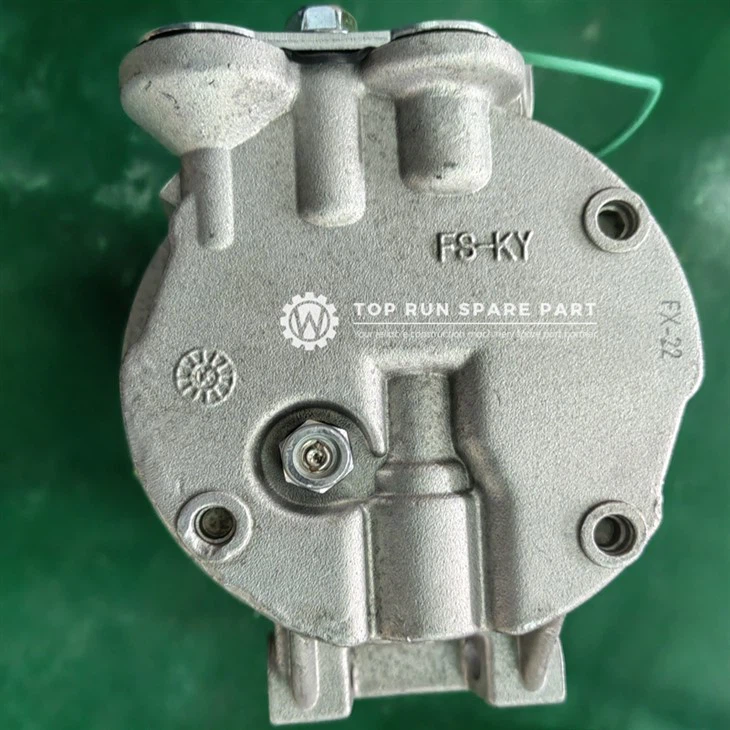
Using compatible parts, such as Excavator Filters and Excavator Compressor, is also important for the overall performance and longevity of the excavator and its teeth. Filters help keep the hydraulic system clean, which in turn ensures smooth operation of the excavator. A well - functioning compressor can provide the necessary power for the excavator's various functions. Using incompatible parts can cause problems in the system, which may indirectly affect the performance and lifespan of the teeth.
Conclusion
The lifespan of excavator teeth is influenced by a variety of factors, including material quality, type of application, operating conditions, and operator skill. By understanding these factors and taking appropriate measures to extend the teeth's lifespan, construction companies and contractors can save on replacement costs and improve the efficiency of their excavation operations.
As a leading supplier of Excavator Teeth, we are committed to providing high - quality products that offer excellent durability and performance. If you're looking for reliable excavator teeth or need advice on choosing the right parts for your specific application, we encourage you to reach out to us. Our team of experts is ready to assist you in making the best choices for your excavation needs. Contact us today to start a fruitful discussion about your procurement requirements.
References
- Construction Equipment Handbook by John Smith
- Heavy Machinery Maintenance Guide by David Brown
- Mining and Excavation Best Practices by Emily Green
Categories
QR Code


