How to choose the right wheel loader bucket?
 Language
 Français
 Español
 Árabe
Árabe
 Deutsch
 简体中文
简体中文
 Português
 Русский
 日本語
日本語
 한국어
한국어
 हिंदी
हिंदी
 Prancis
 Türkçe
 Tiếng Việt
 Italiano
 ไทย
ไทย

-
Tel
+86 15275228746
-
WhatsApp/WeChat
8615275228746
Blog
Company intro
10000m 2+ Cover Area QINGDAO TOP RUN INTERNATIONAL TRADE CO., LTD Qingdao Top Run International Trade Co., Ltd. has been a professional and leading supplier of construction machinery spare parts in China for over 15 years. With extensive experience and expertise, we have established strong partnerships with top manufacturers to offer a wide range of genuine and OEM parts for brands such as XCMG, SANY, ZOOMLION, SHANTUI, LIUGONG, and more. 80+ Employees View more Looking for properate products? Contact us
Send Message
How to choose the right wheel loader bucket?
Jul 14, 2025
View: 183
When it comes to heavy - duty construction and earth - moving tasks, wheel loaders are indispensable workhorses. A crucial component of a wheel loader is its bucket, which directly impacts the machine's efficiency, productivity, and overall performance. As a seasoned wheel loader bucket supplier, I understand the significance of choosing the right bucket for your specific needs. In this blog, I'll share some key factors to consider when making this important decision.
1. Application and Material
The first step in selecting the right wheel loader bucket is to clearly define the application and the type of material you'll be handling. Different materials require different bucket designs to ensure optimal performance.
- General - purpose materials: For common materials like sand, gravel, and light - duty soil, a standard general - purpose bucket is usually sufficient. These buckets are designed with a smooth interior and a wide opening, allowing for easy loading and unloading of materials. They are often made from high - strength steel to withstand the wear and tear of daily use.
- Rock and heavy - duty materials: When dealing with hard rocks, large stones, or heavy - duty aggregates, you'll need a more robust bucket. Rock buckets are equipped with reinforced edges, thicker plates, and often additional wear - resistant liners. They are designed to withstand the high impact forces and abrasion associated with handling these tough materials. For example, if you're working in a quarry where you need to load large chunks of granite, a rock bucket is a must - have.
- Fine materials: For materials like cement, lime, or other fine powders, a specialized bucket with a sealed design may be required. These buckets prevent the leakage of fine particles, ensuring a clean and efficient operation. They often come with dust - control features to minimize environmental impact.
2. Bucket Capacity
Bucket capacity is another critical factor to consider. It determines how much material the bucket can hold in each cycle, which directly affects the machine's productivity.
- Job requirements: Analyze the volume of material you need to move within a given time frame. If you're working on a large - scale construction project where you need to move a significant amount of soil or gravel quickly, a larger - capacity bucket will be more efficient. On the other hand, if you're working in a confined space or on a smaller project with limited material handling needs, a smaller - capacity bucket may be more appropriate.
- Wheel loader size and power: The capacity of the bucket should also be compatible with the size and power of your wheel loader. A bucket that is too large for the machine may overload the engine, reduce maneuverability, and cause premature wear on the loader's components. Conversely, a bucket that is too small will result in longer cycle times and lower productivity. As a general rule, consult the wheel loader's manufacturer specifications to determine the recommended bucket capacity range for your machine.
3. Bucket Shape
The shape of the bucket can have a significant impact on its performance.
- Standard shape: A standard - shaped bucket has a straight - edged design with a flat bottom. It is the most common type of bucket and is suitable for a wide range of applications. The straight edges make it easy to dig into the material and load it evenly.
- V - shape bucket: V - shape buckets are designed with a pointed front and angled sides. They are ideal for digging in hard - packed soil or materials that require a more aggressive digging action. The V - shape helps to break up the material more effectively, making it easier to load. These buckets are often used in agricultural and landscaping applications, as well as in some construction projects where digging in tough terrain is required.
- Skew - shape bucket: Skew - shape buckets have a twisted or angled design. They are used for specific applications where precise material placement is required. For example, in some mining operations, a skew - shape bucket can be used to load materials into a narrow chute or hopper with greater accuracy.
4. Wear - Resistance and Durability
Since wheel loader buckets are constantly in contact with abrasive materials, wear - resistance and durability are essential.
- Material quality: The quality of the steel used in the bucket construction plays a crucial role in its wear - resistance. High - strength, low - alloy steels are commonly used for bucket manufacturing. These steels offer excellent strength and toughness, as well as good resistance to abrasion. Some buckets also feature wear - resistant coatings or liners to further extend their service life.
- Reinforcement: Look for buckets with reinforced areas, such as the cutting edge, side plates, and corners. These areas are subject to the most wear and tear during operation. Reinforced buckets are less likely to develop cracks or deformities, ensuring a longer service life and lower maintenance costs. For instance, a bucket with a reinforced cutting edge can withstand the constant scraping against hard surfaces without wearing down quickly.
5. Compatibility with the Wheel Loader
It's essential to ensure that the bucket you choose is compatible with your wheel loader.
- Mounting system: Different wheel loaders use different mounting systems. Make sure the bucket you select has the correct mounting interface for your machine. This may involve checking the pin sizes, spacing, and attachment brackets. Using an incompatible bucket can lead to improper installation, reduced performance, and even damage to the loader.
- Hydraulic requirements: Some buckets, especially those with additional features like tilt - cylinders or quick - attach systems, may require specific hydraulic capabilities from the wheel loader. Ensure that your loader has the necessary hydraulic flow, pressure, and control options to operate the bucket effectively. For example, a bucket with a hydraulic tilt function will need a loader with a compatible hydraulic circuit to control the tilt movement.
6. Additional Features
Many modern wheel loader buckets come with additional features that can enhance their functionality and performance.
- Quick - attach system: A quick - attach system allows you to easily and quickly change buckets or other attachments on the wheel loader. This is particularly useful if you need to switch between different types of buckets for different tasks. With a quick - attach system, you can save time and increase productivity by reducing the downtime associated with changing attachments.
- Tilt - cylinder: A tilt - cylinder allows you to adjust the angle of the bucket during operation. This can be useful for tasks such as leveling, grading, or dumping materials at a specific angle. For example, when you need to spread a layer of gravel evenly on a road surface, a tilt - cylinder can help you achieve the desired angle for precise material placement.
- Wear - indicator: Some buckets are equipped with wear - indicators, which are visual or mechanical devices that show the amount of wear on the bucket. This helps you to monitor the condition of the bucket and plan for maintenance or replacement in a timely manner, avoiding unexpected breakdowns.
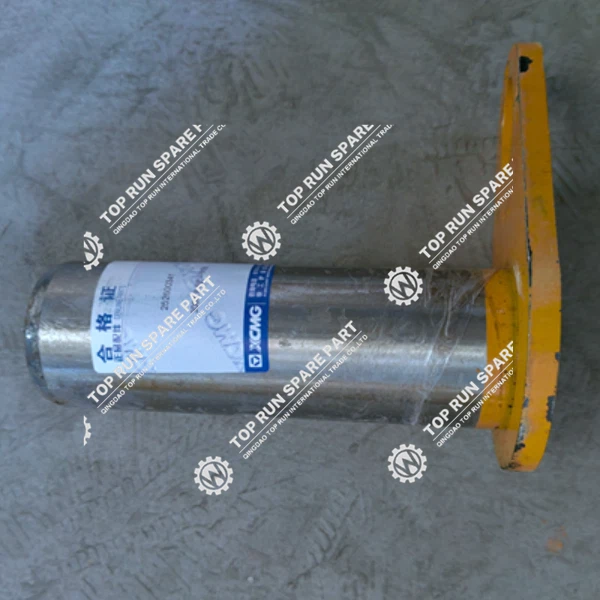
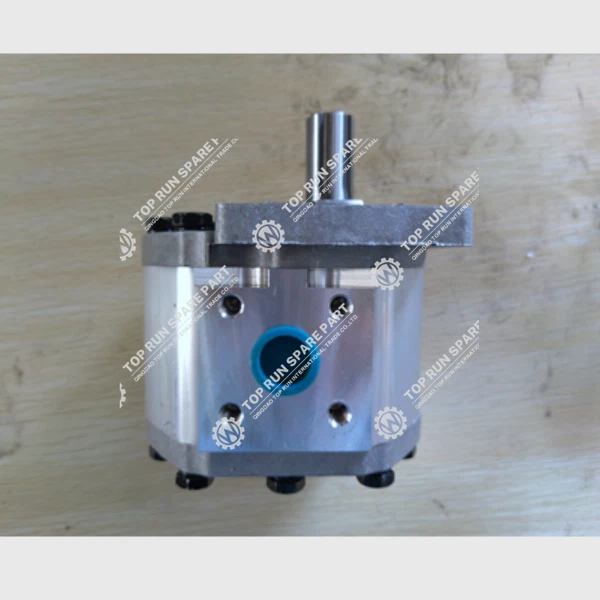
As a wheel loader bucket supplier, we also offer a wide range of high - quality wheel loader spare parts to meet your maintenance and replacement needs. For example, you can find the 804019433 Plunger Pump, 252600341Buket Pin Shaft, and Gear Pump CBN - E32 803004032 on our website. These spare parts are designed to ensure the smooth operation of your wheel loader and its bucket.
Choosing the right wheel loader bucket is a complex decision that requires careful consideration of multiple factors. By taking into account the application, capacity, shape, wear - resistance, compatibility, and additional features, you can select a bucket that will maximize the efficiency and productivity of your wheel loader. If you have any questions or need further assistance in choosing the right bucket or spare parts for your wheel loader, please don't hesitate to contact us for a professional consultation and procurement negotiation.
References
- Construction Equipment Handbook, various editions.
- Wheel Loader Manufacturer's Manuals.
- Industry Reports on Earth - moving Equipment.
Categories
QR Code


