How to control the pressure of an Oil Scavenger Pump precisely?
 Language
 Français
 Español
 Árabe
Árabe
 Deutsch
 简体中文
简体中文
 Português
 Русский
 日本語
日本語
 한국어
한국어
 हिंदी
हिंदी
 Prancis
 Türkçe
 Tiếng Việt
 Italiano
 ไทย
ไทย

-
Tel
+86 15275228746
-
WhatsApp/WeChat
8615275228746
Blog
Company intro
10000m 2+ Cover Area QINGDAO TOP RUN INTERNATIONAL TRADE CO., LTD Qingdao Top Run International Trade Co., Ltd. has been a professional and leading supplier of construction machinery spare parts in China for over 15 years. With extensive experience and expertise, we have established strong partnerships with top manufacturers to offer a wide range of genuine and OEM parts for brands such as XCMG, SANY, ZOOMLION, SHANTUI, LIUGONG, and more. 80+ Employees View more Looking for properate products? Contact us
Send Message
How to control the pressure of an Oil Scavenger Pump precisely?
Jul 31, 2025
View: 153
Precisely controlling the pressure of an Oil Scavenger Pump is crucial for ensuring the efficient and reliable operation of various industrial and automotive systems. As a trusted supplier of Oil Scavenger Pump, I understand the significance of this process and have accumulated extensive knowledge and experience in this field. In this blog post, I will share some effective strategies and techniques on how to achieve precise pressure control of an Oil Scavenger Pump.
Understanding the Function and Importance of Oil Scavenger Pumps
Before delving into the details of pressure control, it is essential to understand the function and importance of Oil Scavenger Pumps. These pumps are designed to remove excess oil from various components, such as gearboxes, engines, and hydraulic systems. By scavenging the oil, they prevent oil buildup, which can lead to overheating, reduced efficiency, and potential damage to the equipment.
Maintaining the correct pressure in an Oil Scavenger Pump is vital for several reasons. Firstly, it ensures that the pump can effectively remove the oil at the required rate. If the pressure is too low, the pump may not be able to scavenge the oil efficiently, leading to oil accumulation. On the other hand, if the pressure is too high, it can cause excessive wear and tear on the pump and other components, as well as potential leaks.
Factors Affecting Oil Scavenger Pump Pressure
Several factors can influence the pressure of an Oil Scavenger Pump. Understanding these factors is the first step in achieving precise pressure control.
- Viscosity of the Oil: The viscosity of the oil plays a significant role in determining the pump pressure. Higher viscosity oils require more energy to pump, which can result in higher pressure. Conversely, lower viscosity oils are easier to pump and may require lower pressure.
- Pump Design and Capacity: The design and capacity of the pump also affect the pressure. Different pump designs have different flow rates and pressure capabilities. It is important to select a pump that is suitable for the specific application and can provide the required pressure.
- System Resistance: The resistance in the oil scavenging system, including the pipes, filters, and valves, can impact the pump pressure. Higher resistance can cause the pressure to increase, while lower resistance can lead to lower pressure.
- Operating Conditions: The operating conditions, such as temperature and speed, can also affect the pump pressure. For example, higher temperatures can reduce the viscosity of the oil, which may require adjustments to the pump pressure.
Strategies for Precise Pressure Control
To control the pressure of an Oil Scavenger Pump precisely, the following strategies can be employed:
1. Select the Right Pump
Choosing the appropriate pump for the specific application is crucial. Consider the flow rate, pressure requirements, and the type of oil being used. A pump with the right capacity and design will be better able to maintain the desired pressure.
2. Install Pressure Sensors
Pressure sensors can be installed in the oil scavenging system to monitor the pressure in real-time. These sensors can provide accurate data, which can be used to adjust the pump speed or other parameters to maintain the desired pressure.
3. Use Pressure Relief Valves
Pressure relief valves are an important safety feature that can help prevent overpressure in the system. These valves are designed to open when the pressure exceeds a certain limit, allowing the excess oil to bypass the pump and return to the reservoir.
4. Optimize the System Design
The design of the oil scavenging system can have a significant impact on the pump pressure. Ensure that the pipes are of the appropriate size and length, and that the filters and valves are properly selected and installed. Minimizing the system resistance can help maintain a stable and efficient pressure.
5. Regular Maintenance
Regular maintenance of the Oil Scavenger Pump and the entire oil scavenging system is essential for ensuring optimal performance. This includes checking the pump for wear and tear, replacing the filters regularly, and inspecting the pipes and valves for leaks.
Real - World Applications and Examples
Let's take a look at some real - world applications where precise pressure control of an Oil Scavenger Pump is critical.
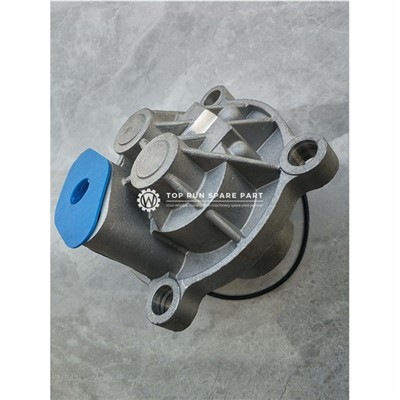
In the automotive industry, Oil Scavenger Pumps are used in engines to remove excess oil from the crankcase. Precise pressure control is necessary to ensure that the engine operates smoothly and efficiently. If the pressure is not properly regulated, it can lead to oil starvation or excessive oil consumption, both of which can cause serious damage to the engine.
In industrial machinery, such as large - scale manufacturing equipment, Oil Scavenger Pumps are used to maintain the lubrication system. By controlling the pressure precisely, the equipment can operate at peak performance, reducing downtime and maintenance costs.
Related Products and Their Role in the System
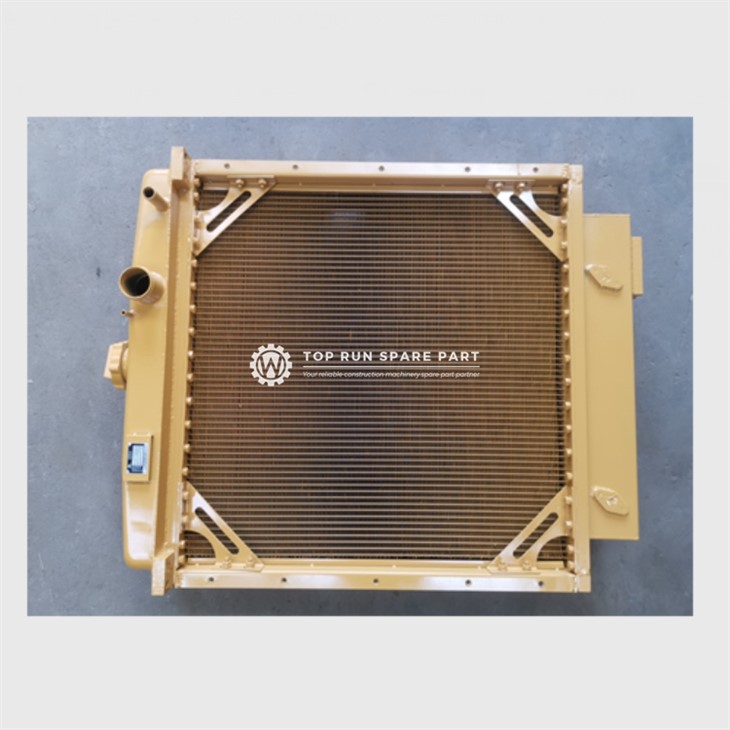
In addition to the Oil Scavenger Pump, other related products can also play a role in the overall performance of the oil scavenging system. For example, the Water Tank Radiator for Shantui helps to regulate the temperature of the oil, which can in turn affect the viscosity and the pump pressure. A properly functioning radiator can ensure that the oil remains at the optimal temperature, reducing the risk of pressure fluctuations.
Another important component is the 154 - 27 - 12273 Sprocket Teath. In some systems, the sprocket teath may be part of the drive mechanism for the Oil Scavenger Pump. Ensuring that the sprocket teath is in good condition and properly aligned can help maintain the correct pump speed and pressure.
Conclusion
Precise pressure control of an Oil Scavenger Pump is essential for the efficient and reliable operation of various systems. By understanding the factors that affect the pump pressure, selecting the right pump, using appropriate control strategies, and maintaining the system regularly, you can achieve optimal performance and extend the lifespan of the equipment.
If you are in the market for an Oil Scavenger Pump or need more information on how to control its pressure precisely, we are here to help. Our team of experts has in - depth knowledge and experience in this field and can provide you with the best solutions for your specific needs. Contact us today to start a procurement discussion and find out how we can assist you in optimizing your oil scavenging system.
References
- "Hydraulic Pumps and Motors Handbook" by John F. Carlisle
- "Lubrication Fundamentals" by Howard D. Merritt
- Industry whitepapers on oil scavenging systems and pressure control.
Categories
QR Code


