How to ensure the safety of operating a truck crane gearbox?
 Language
 Français
 Español
 Árabe
Árabe
 Deutsch
 简体中文
简体中文
 Português
 Русский
 日本語
日本語
 한국어
한국어
 हिंदी
हिंदी
 Prancis
 Türkçe
 Tiếng Việt
 Italiano
 ไทย
ไทย

-
Tel
+86 15275228746
-
WhatsApp/WeChat
8615275228746
Blog
Company intro
10000m 2+ Cover Area QINGDAO TOP RUN INTERNATIONAL TRADE CO., LTD Qingdao Top Run International Trade Co., Ltd. has been a professional and leading supplier of construction machinery spare parts in China for over 15 years. With extensive experience and expertise, we have established strong partnerships with top manufacturers to offer a wide range of genuine and OEM parts for brands such as XCMG, SANY, ZOOMLION, SHANTUI, LIUGONG, and more. 80+ Employees View more Looking for properate products? Contact us
Send Message
How to ensure the safety of operating a truck crane gearbox?
Jul 9, 2025
View: 173
Operating a truck crane gearbox safely is of paramount importance in the heavy - machinery industry. As a trusted Truck Crane Gearbox supplier, I understand the critical role that proper operation and safety measures play in preventing accidents, reducing downtime, and ensuring the longevity of the equipment. In this blog, I will share some key strategies and best practices to ensure the safety of operating a truck crane gearbox.
Pre - operation Inspection
Before starting any operation with a truck crane gearbox, a thorough pre - operation inspection is essential. This inspection should cover multiple aspects of the gearbox and the associated crane components.
First, visually inspect the gearbox for any signs of physical damage such as cracks, dents, or leaks. Check the housing for any loose bolts or fasteners that could potentially come off during operation. A damaged gearbox housing can lead to oil leakage, which not only reduces the lubrication effectiveness but also poses a safety hazard due to the risk of slipping on the leaked oil.
Examine the oil level in the gearbox. Low oil levels can cause excessive friction between the gears, leading to overheating and premature wear. Use the dipstick provided on the gearbox to check the oil level, and top it up if necessary with the recommended type of oil. The oil should also be inspected for any signs of contamination, such as metal shavings or a milky appearance, which could indicate internal damage within the gearbox.
Inspect the input and output shafts for proper alignment. Misaligned shafts can cause uneven stress on the gears, leading to increased wear and the potential for gear failure. Look for any signs of excessive vibration or noise during a test run of the gearbox, as these could be indicators of misalignment or other mechanical issues.
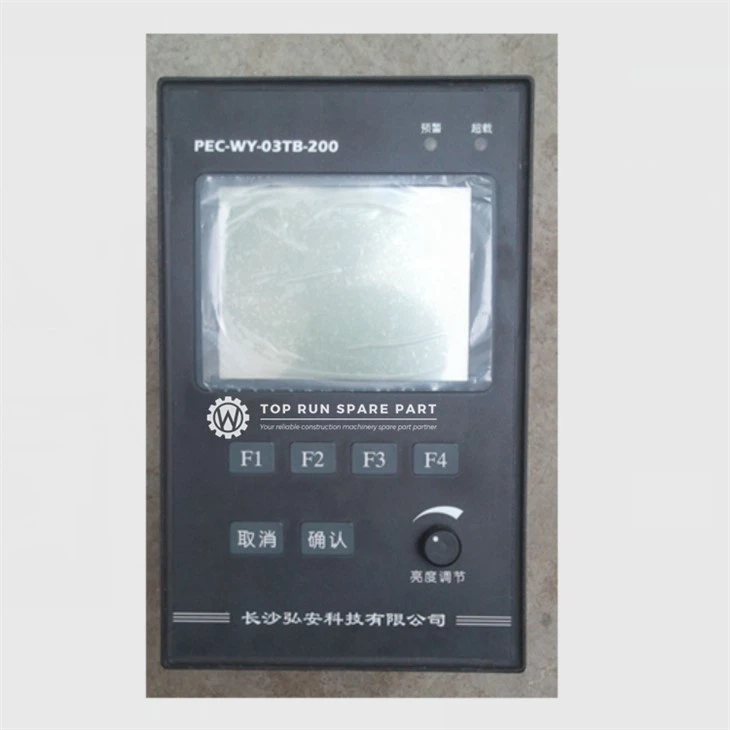
Check the Crane Moment Limiter. This device is crucial for preventing the crane from exceeding its safe lifting capacity. Ensure that it is properly calibrated and functioning correctly. A malfunctioning moment limiter can lead to overloading of the crane, which puts excessive stress on the gearbox and other components, increasing the risk of a catastrophic failure.
Operator Training
Proper operator training is one of the most important factors in ensuring the safety of operating a truck crane gearbox. Operators should be well - versed in the operation of the specific gearbox model installed in the crane.
Training should cover basic operating procedures, such as how to shift gears correctly. Incorrect gear shifting can cause sudden jolts in the gearbox, leading to gear damage. Operators should be taught to shift gears smoothly and at the appropriate engine speeds to minimize stress on the gears.
In addition, operators need to understand the limitations of the gearbox and the crane as a whole. They should know the maximum load capacity, the appropriate operating range for different gears, and the environmental conditions under which the gearbox can operate safely. For example, extreme temperatures can affect the viscosity of the gearbox oil, and operators should be aware of how to adjust their operations accordingly.
Regular refresher courses should be provided to keep operators updated on the latest safety procedures and any new features or improvements in the gearbox technology. This helps to reinforce good operating habits and ensures that operators are prepared to handle any potential issues that may arise during operation.
Maintenance and Lubrication
Regular maintenance is crucial for the safe operation of a truck crane gearbox. A well - maintained gearbox is less likely to experience breakdowns and will have a longer service life.
Scheduled maintenance should include tasks such as oil changes. Over time, the gearbox oil breaks down and loses its lubricating properties. Regular oil changes help to remove contaminants and ensure that the gears are properly lubricated. The frequency of oil changes depends on factors such as the operating conditions, the type of oil used, and the manufacturer's recommendations.
Inspect and replace the filters regularly. Filters are designed to remove dirt and debris from the oil, protecting the gears from damage. A clogged filter can restrict the flow of oil, leading to overheating and reduced lubrication.
Check the seals and gaskets in the gearbox. Worn or damaged seals can allow oil to leak out and dirt and moisture to enter the gearbox. Replace any seals or gaskets that show signs of wear or damage promptly to prevent further issues.
When it comes to lubrication, using the correct type of oil is essential. Different gearbox models may require different types of oil with specific viscosity ratings. Using the wrong oil can lead to poor lubrication, increased friction, and premature wear of the gears. Always refer to the manufacturer's recommendations for the appropriate oil type and follow the recommended lubrication intervals.
Monitoring and Diagnostic Tools
Utilizing monitoring and diagnostic tools can help to detect potential problems in the truck crane gearbox before they become serious safety hazards.
Vibration sensors can be installed on the gearbox to detect abnormal vibrations. These vibrations can be caused by a variety of issues, such as misaligned gears, worn bearings, or loose components. By continuously monitoring the vibration levels, operators can identify problems early and take corrective action before the gearbox fails.
Temperature sensors can also be used to monitor the temperature of the gearbox. Overheating is a common sign of a problem in the gearbox, such as insufficient lubrication or excessive load. If the temperature exceeds the normal operating range, it can indicate that there is an issue that needs to be addressed immediately.
Diagnostic software can be used to analyze the data collected from the sensors. This software can provide detailed reports on the condition of the gearbox, including information on the health of the gears, bearings, and other components. By using these diagnostic tools, maintenance teams can make informed decisions about when to perform maintenance or replace parts.
Handling Overloading Situations
Overloading is a major threat to the safety of a truck crane gearbox. When a crane is overloaded, the gearbox has to work harder to move the excessive load, which can cause severe damage to the gears and other components.
If an overloading situation is detected, the operator should immediately stop the operation and assess the situation. Do not attempt to continue lifting the load if it exceeds the crane's capacity. Instead, reduce the load to a safe level and then resume the operation.
In some cases, overloading can be caused by incorrect rigging or improper distribution of the load. Operators should ensure that the load is properly balanced and secured before lifting. If the load is not balanced, it can put uneven stress on the gearbox and other components, increasing the risk of failure.
Spare Parts and Replacement
As a Truck Crane Gearbox supplier, I understand the importance of having access to high - quality spare parts. In the event of a gearbox failure or component damage, having the right spare parts on hand can minimize downtime and ensure that the crane can be back in operation quickly.
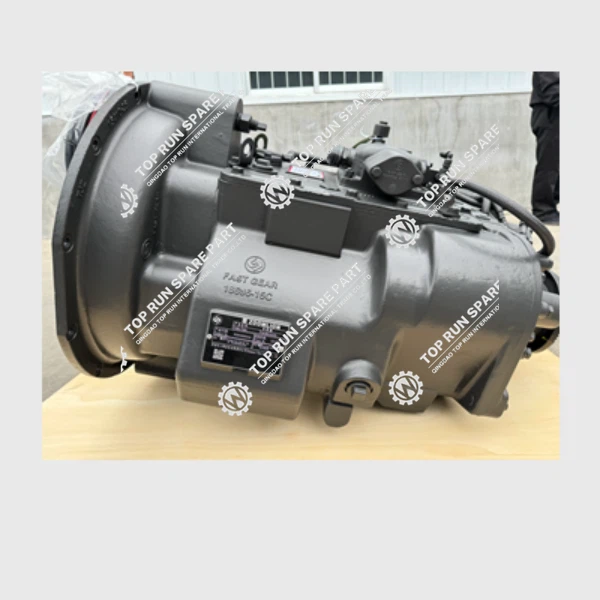
For example, the Gear Box ASSY/Transmission 8JS118TB - B 1030300034 G7854 is a commonly used gearbox assembly in many truck cranes. Having this spare part available can be a lifesaver in case of a major gearbox failure.
It is also important to ensure that the replacement parts are of the correct specification and quality. Using sub - standard parts can lead to further problems and may compromise the safety of the gearbox and the crane. Always source spare parts from reliable suppliers who can provide quality assurance and technical support.
Environmental Considerations
The environment in which the truck crane operates can also have a significant impact on the safety of the gearbox.
In dusty or dirty environments, the gearbox is more likely to be exposed to contaminants. Additional protective measures, such as installing air filters or dust covers, can help to prevent dirt and debris from entering the gearbox. Regular cleaning of the gearbox and its surrounding areas can also reduce the risk of contamination.
In wet or humid conditions, moisture can penetrate the gearbox and cause corrosion. Ensure that the gearbox is properly sealed and that any water that accumulates around the gearbox is drained away. Rust - resistant coatings can also be applied to the gearbox components to protect them from corrosion.
If the crane is operating in an area with extreme temperatures, the gearbox may require additional cooling or heating systems. For example, in hot climates, a cooling fan or a heat exchanger can be installed to keep the gearbox oil at the appropriate temperature. In cold climates, a heater may be needed to warm up the oil before starting the gearbox to ensure proper lubrication.
Conclusion
Ensuring the safety of operating a truck crane gearbox requires a comprehensive approach that includes pre - operation inspection, operator training, regular maintenance, proper use of monitoring tools, and careful consideration of environmental factors. By following these best practices, operators can minimize the risk of gearbox failure, reduce downtime, and ensure the safety of the crane and its operators.
If you are in the market for high - quality truck crane gearboxes or spare parts such as the Crane Steel Wire Rope, feel free to reach out to us. We are committed to providing top - notch products and services to meet your needs. Contact us for more information and to start a procurement discussion.
References
- Crane Manufacturer's Operation and Maintenance Manuals
- Industry Standards and Guidelines for Crane Safety
- Research Papers on Heavy - Machinery Gearbox Technology and Safety
Categories
QR Code


