How to install a triple gear pump correctly?
 Language
 Français
 Español
 Árabe
Árabe
 Deutsch
 简体中文
简体中文
 Português
 Русский
 日本語
日本語
 한국어
한국어
 हिंदी
हिंदी
 Prancis
 Türkçe
 Tiếng Việt
 Italiano
 ไทย
ไทย

-
Tel
+86 15275228746
-
WhatsApp/WeChat
8615275228746
Blog
Company intro
10000m 2+ Cover Area QINGDAO TOP RUN INTERNATIONAL TRADE CO., LTD Qingdao Top Run International Trade Co., Ltd. has been a professional and leading supplier of construction machinery spare parts in China for over 15 years. With extensive experience and expertise, we have established strong partnerships with top manufacturers to offer a wide range of genuine and OEM parts for brands such as XCMG, SANY, ZOOMLION, SHANTUI, LIUGONG, and more. 80+ Employees View more Looking for properate products? Contact us
Send Message
How to install a triple gear pump correctly?
Dec 5, 2025
View: 228
Installing a triple gear pump correctly is crucial for ensuring its optimal performance and longevity. As a trusted triple gear pump supplier, I understand the significance of a proper installation process. In this blog, I will guide you through the step - by - step procedure of correctly installing a triple gear pump.
Pre - installation Preparations
Before you start the installation, it is essential to gather all the necessary tools and materials. You will need a set of wrenches, a torque wrench, a sealant, a clean cloth, and a suitable mounting surface. Make sure that the mounting surface is flat, clean, and free from any debris or burrs. Any unevenness on the mounting surface can lead to misalignment and premature wear of the pump.
Inspect the triple gear pump thoroughly for any visible damage during transit. Check the gears, shafts, and housing for cracks, dents, or other defects. If you find any issues, contact the supplier immediately. Also, verify that you have all the required gaskets, O - rings, and other sealing components.
Selecting the Right Location
The location where you install the triple gear pump is of utmost importance. The pump should be installed in a well - ventilated area to prevent overheating. Avoid placing it near sources of heat, such as engines or industrial heaters. The area should also be free from excessive dust and moisture, as these can contaminate the hydraulic fluid and damage the pump.
Ensure that there is enough space around the pump for easy access during maintenance and inspection. You should be able to reach all the connections, valves, and other components without any difficulty. Additionally, the pump should be installed at a height that allows for proper drainage of the hydraulic fluid.
Mounting the Pump
Once you have selected the appropriate location, it's time to mount the triple gear pump. Place the pump on the mounting surface and align the mounting holes. Use the appropriate bolts and washers to secure the pump. It is crucial to use a torque wrench to tighten the bolts to the manufacturer's specified torque values. Over - tightening can damage the pump housing, while under - tightening can cause leaks.
During the mounting process, make sure that the pump is level. A misaligned pump can cause excessive vibration, which can lead to premature wear of the gears and other components. You can use a spirit level to check the levelness of the pump.
Connecting the Hydraulic Lines
Proper connection of the hydraulic lines is vital for the efficient operation of the triple gear pump. Start by cleaning the ends of the hydraulic lines to remove any dirt or debris. Apply a suitable sealant to the threads of the fittings to prevent leaks.
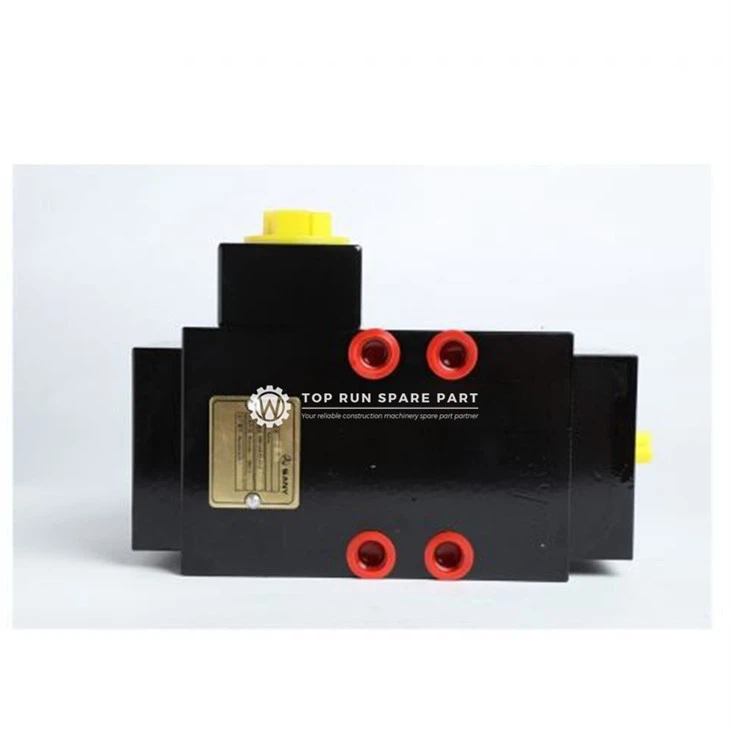
Connect the inlet line to the pump's inlet port. The inlet line should be large enough to allow for an adequate flow of hydraulic fluid. A restricted inlet can cause cavitation, which is a major cause of pump failure. Connect the outlet line to the pump's outlet port. Make sure that the outlet line is connected to the correct system components, such as Balance Valve 60066198 or other relevant valves and actuators.
Filling the Pump with Hydraulic Fluid
After connecting the hydraulic lines, it's time to fill the triple gear pump with hydraulic fluid. Use a clean funnel to pour the fluid into the pump's reservoir. Make sure to use the type of hydraulic fluid recommended by the pump manufacturer. Different pumps require different types of fluids based on their operating conditions and specifications.
Fill the reservoir to the appropriate level. Over - filling can cause the fluid to overflow during operation, while under - filling can lead to cavitation. Once the reservoir is filled, check for any leaks around the connections. If you find any leaks, tighten the fittings or replace the sealing components as necessary.
Priming the Pump
Priming the triple gear pump is an important step to ensure proper operation. Priming involves removing any air from the pump and the hydraulic lines. To prime the pump, turn on the power supply to the hydraulic system and let the pump run for a few minutes. This will allow the fluid to circulate through the system and remove any air bubbles.
During the priming process, monitor the pressure gauges and other indicators. If the pressure is not building up as expected, there may be an air pocket in the system. You may need to bleed the system to remove the air. This can be done by opening the bleed valves located at strategic points in the hydraulic system.
Testing the Pump
After priming the pump, it's time to test its operation. Start the hydraulic system and check for any abnormal noises or vibrations. A properly installed triple gear pump should operate smoothly and quietly. If you hear any rattling, grinding, or other unusual noises, stop the system immediately and check for the cause.
Monitor the pressure and flow rate of the hydraulic fluid. The pressure should be within the range specified by the pump manufacturer. If the pressure is too high or too low, it may indicate a problem with the pump or the hydraulic system. You may need to adjust the relief valves or check for blockages in the lines.
Connecting to the Power Source
The triple gear pump needs to be connected to a suitable power source. If it is an electric pump, make sure that the electrical connections are made correctly. Use the appropriate cables and connectors, and ensure that the power supply voltage matches the pump's requirements.
For pumps powered by an engine, such as a diesel engine, make sure that the drive shaft is properly aligned. Misalignment can cause excessive wear on the pump's bearings and other components. The drive belt or chain should be adjusted to the correct tension.
Additional Components and Accessories
In some cases, you may need to install additional components and accessories along with the triple gear pump. For example, you may need to install a Hydraulic Gear Pump 60004298 in parallel or series with the triple gear pump to increase the flow rate or pressure.
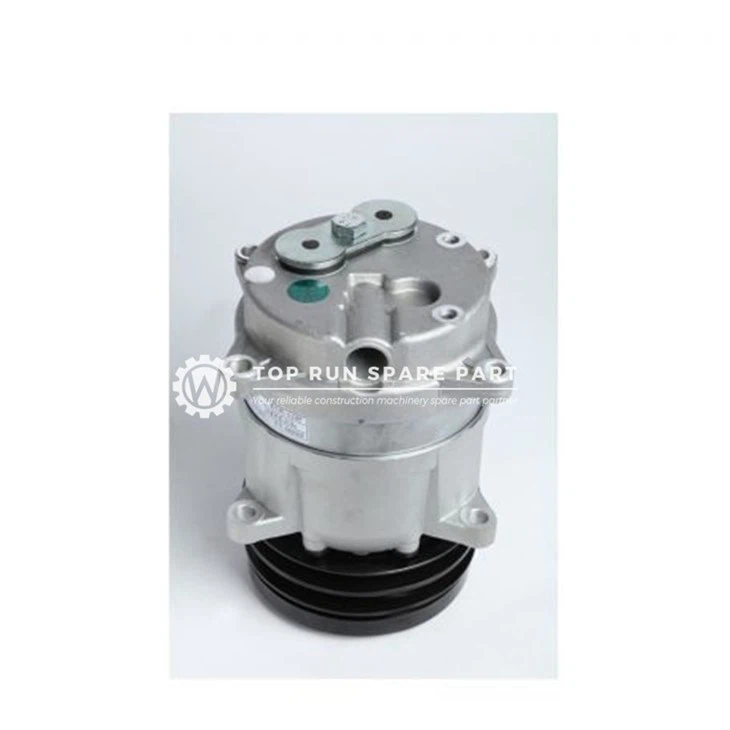
You may also need to install a Crane Compressor to provide compressed air for certain operations. When installing these additional components, follow the same principles of proper alignment, mounting, and connection as described for the triple gear pump.
Maintenance Considerations
Once the triple gear pump is installed and operating correctly, regular maintenance is essential to ensure its long - term performance. Check the hydraulic fluid level regularly and top it up if necessary. Replace the hydraulic fluid at the intervals recommended by the manufacturer.
Inspect the pump and the hydraulic lines for any signs of wear, leaks, or damage. Replace any worn - out gaskets, O - rings, or other sealing components. Clean the filters regularly to prevent clogging. By following a proper maintenance schedule, you can extend the life of the triple gear pump and avoid costly repairs.
Conclusion
Installing a triple gear pump correctly is a multi - step process that requires careful planning and attention to detail. By following the steps outlined in this blog, you can ensure that your pump is installed correctly and operates efficiently. As a triple gear pump supplier, I am committed to providing high - quality pumps and supporting you throughout the installation and maintenance process.
If you are in the market for a triple gear pump or need further assistance with installation or maintenance, I encourage you to contact me for a detailed discussion. We can explore your specific requirements and find the best solution for your application.
References
- Hydraulic Pump Installation Manuals from leading manufacturers
- Industry standards and guidelines for hydraulic system installation
- Technical papers on hydraulic pump operation and maintenance
Categories
QR Code


