How to integrate a crane load display with a remote monitoring system?
 Language
 Français
 Español
 Árabe
Árabe
 Deutsch
 简体中文
简体中文
 Português
 Русский
 日本語
日本語
 한국어
한국어
 हिंदी
हिंदी
 Prancis
 Türkçe
 Tiếng Việt
 Italiano
 ไทย
ไทย

-
Tel
+86 15275228746
-
WhatsApp/WeChat
8615275228746
Blog
Company intro
10000m 2+ Cover Area QINGDAO TOP RUN INTERNATIONAL TRADE CO., LTD Qingdao Top Run International Trade Co., Ltd. has been a professional and leading supplier of construction machinery spare parts in China for over 15 years. With extensive experience and expertise, we have established strong partnerships with top manufacturers to offer a wide range of genuine and OEM parts for brands such as XCMG, SANY, ZOOMLION, SHANTUI, LIUGONG, and more. 80+ Employees View more Looking for properate products? Contact us
Send Message
How to integrate a crane load display with a remote monitoring system?
May 14, 2025
View: 192
Integrating a crane load display with a remote monitoring system can significantly enhance the efficiency, safety, and management of crane operations. As a crane load display supplier, I've witnessed firsthand the transformative impact this integration can have on the industry. In this blog, I'll share some insights on how to achieve this integration effectively.
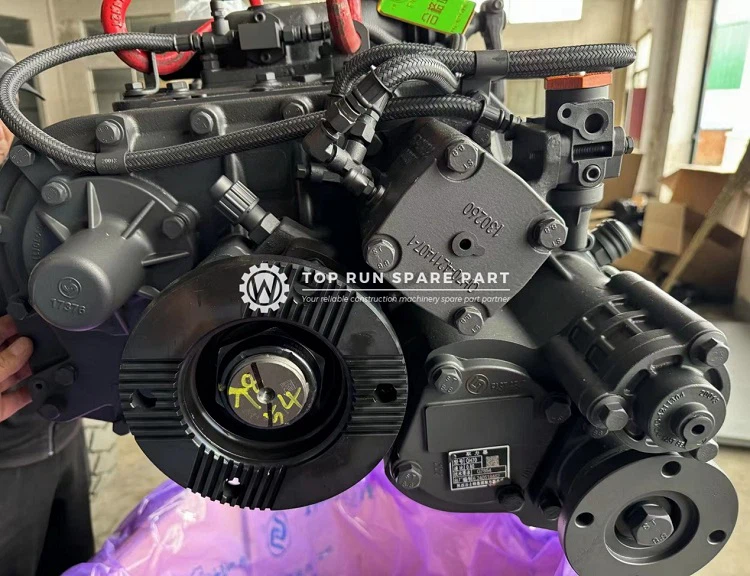
Understanding the Basics of Crane Load Displays and Remote Monitoring Systems
Before diving into the integration process, it's essential to understand what crane load displays and remote monitoring systems are. A crane load display is a device that provides real - time information about the load being lifted by a crane. It measures the weight, center of gravity, and other relevant parameters, ensuring that the crane operates within its safe working limits.
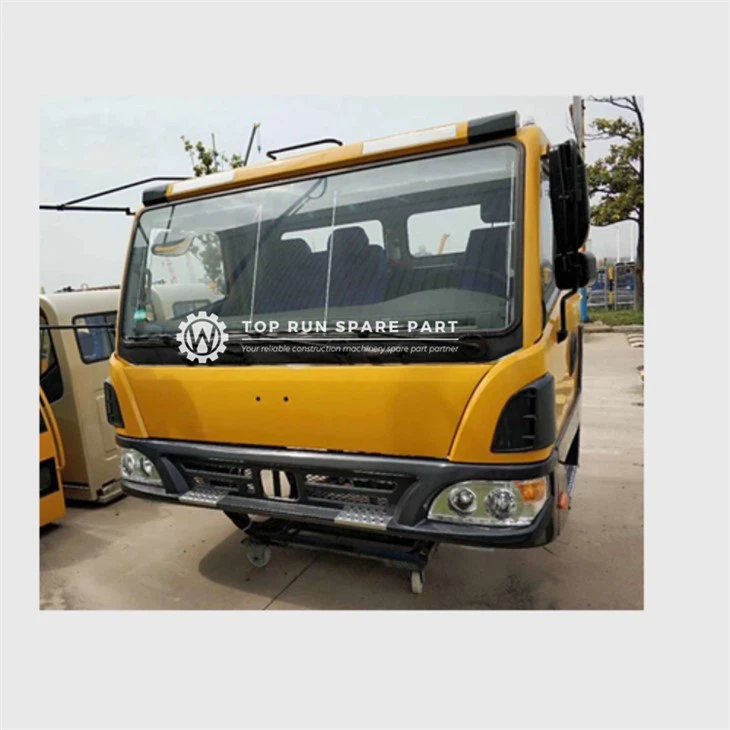
On the other hand, a remote monitoring system allows operators and managers to monitor the crane's performance, status, and location from a distance. This system typically consists of sensors, communication modules, and a central monitoring platform. By integrating the crane load display with the remote monitoring system, users can access load - related data remotely, enabling better decision - making and proactive maintenance.
Step 1: Selecting Compatible Equipment
The first step in integrating a crane load display with a remote monitoring system is to choose compatible equipment. Not all crane load displays and remote monitoring systems are designed to work together. Look for products that have open communication protocols or are specifically designed for integration.
When selecting a crane load display, consider its data output capabilities. It should be able to transmit data such as load weight, load moment, and safety status. The remote monitoring system, on the other hand, should have the ability to receive and process this data. Some modern crane load displays come with built - in communication interfaces, such as Ethernet, Wi - Fi, or cellular, which make integration easier.
Step 2: Installing Sensors and Communication Modules
Once you have selected the compatible equipment, the next step is to install the necessary sensors and communication modules. The crane load display is usually connected to load cells or other sensors installed on the crane. These sensors measure the load and transmit the data to the display.
To enable remote monitoring, a communication module needs to be installed. This module can be a Wi - Fi router, a cellular modem, or a satellite communication device, depending on the crane's location and the availability of communication networks. The communication module should be connected to the crane load display and configured to send data to the remote monitoring system.
Step 3: Configuring the Communication Protocol
After installing the sensors and communication modules, you need to configure the communication protocol between the crane load display and the remote monitoring system. There are several communication protocols available, such as Modbus, Profibus, and TCP/IP.
The choice of protocol depends on the equipment you are using and the requirements of your remote monitoring system. Most modern crane load displays support multiple protocols, allowing for flexibility in integration. Make sure to follow the manufacturer's instructions when configuring the communication protocol to ensure reliable data transmission.
Step 4: Setting Up the Remote Monitoring Platform
The remote monitoring platform is the central hub where all the data from the crane load display is collected and analyzed. It provides a user - friendly interface for operators and managers to view the crane's performance and status.
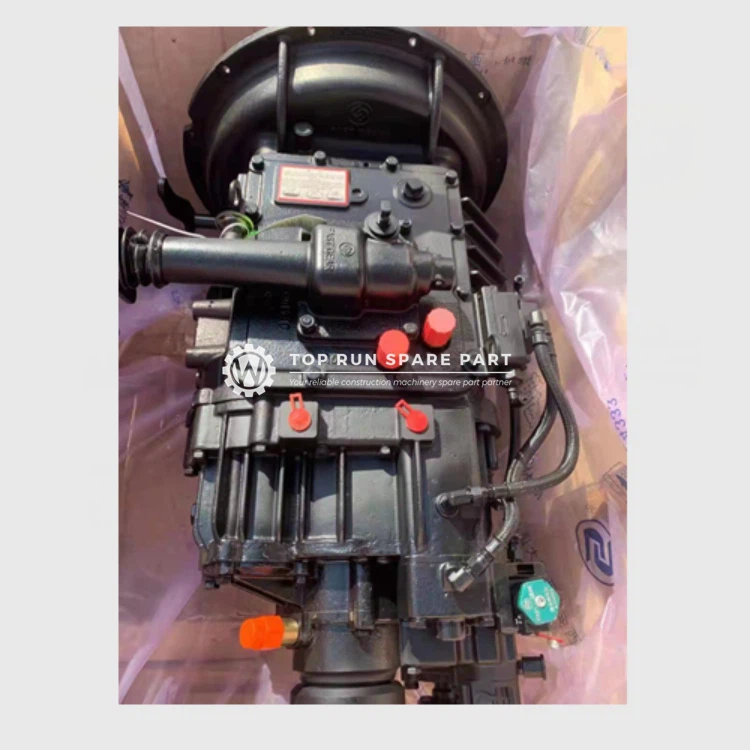
When setting up the remote monitoring platform, you need to define the data that will be collected, the frequency of data collection, and the alerts and notifications that will be sent. For example, you can set up an alert to notify you when the crane's load exceeds its safe working limit. The platform should also have the ability to store historical data for analysis and reporting.
Step 5: Testing and Validation
Once the integration is complete, it's crucial to test and validate the system. Conduct a series of tests to ensure that the crane load display is transmitting accurate data to the remote monitoring system. Check the data on the remote monitoring platform to verify its accuracy and consistency.
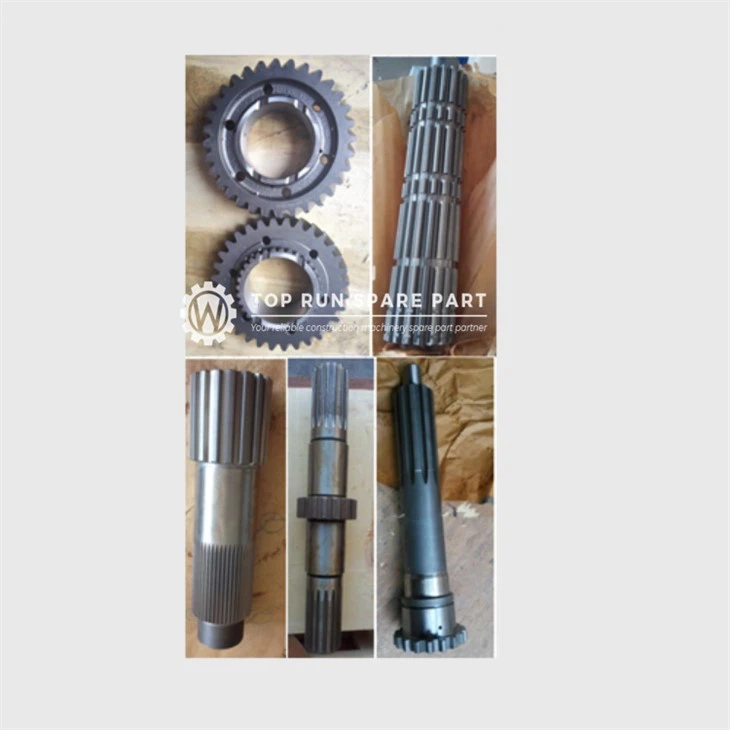
Perform load tests on the crane to simulate different operating conditions. Monitor the data on the remote monitoring platform during these tests to ensure that the system can handle real - world scenarios. If any issues are detected, troubleshoot and make the necessary adjustments until the system is working correctly.
Benefits of Integration
Integrating a crane load display with a remote monitoring system offers several benefits. Firstly, it enhances safety. By providing real - time load data remotely, operators can make informed decisions and avoid overloading the crane, which can lead to accidents.
Secondly, it improves efficiency. Managers can monitor the crane's performance and utilization, identify bottlenecks, and optimize operations. They can also schedule maintenance based on the crane's actual usage, reducing downtime.
Finally, it enables better asset management. The remote monitoring system allows for the tracking of the crane's location, usage history, and maintenance records. This information can be used to make strategic decisions about the crane's fleet, such as when to replace or upgrade equipment.
Related Crane Spare Parts
If you are in the market for crane spare parts, we also offer a range of high - quality products. For example, you can check out our [Gearbox Assy Or Transmission]( /crane - spare - parts/zoomlion - crane - spare - parts/gearbox - assy - or - transmission.html), [Truck Crane Cabin]( /crane - spare - parts/zoomlion - crane - spare - parts/truck - crane - cabin.html), and [Truck Crane Gearbox]( /crane - spare - parts/zoomlion - crane - spare - parts/truck - crane - gearbox.html). These spare parts are designed to ensure the smooth operation of your crane and are backed by our reliable customer service.
Conclusion
Integrating a crane load display with a remote monitoring system is a complex but rewarding process. By following the steps outlined in this blog, you can achieve a seamless integration that enhances the safety, efficiency, and management of your crane operations. If you are interested in our crane load displays or have any questions about the integration process, please feel free to contact us for procurement and further discussions.
References
"Crane Safety Handbook", Third Edition, by William A. Corcoran.
"Industrial Automation and Control Systems", by Richard C. Dorf.
Manufacturer's manuals for crane load displays and remote monitoring systems.
Categories
QR Code


