How to measure the size of a wheel loader bucket?
 Language
 Français
 Español
 Árabe
Árabe
 Deutsch
 简体中文
简体中文
 Português
 Русский
 日本語
日本語
 한국어
한국어
 हिंदी
हिंदी
 Prancis
 Türkçe
 Tiếng Việt
 Italiano
 ไทย
ไทย

-
Tel
+86 15275228746
-
WhatsApp/WeChat
8615275228746
Blog
Company intro
10000m 2+ Cover Area QINGDAO TOP RUN INTERNATIONAL TRADE CO., LTD Qingdao Top Run International Trade Co., Ltd. has been a professional and leading supplier of construction machinery spare parts in China for over 15 years. With extensive experience and expertise, we have established strong partnerships with top manufacturers to offer a wide range of genuine and OEM parts for brands such as XCMG, SANY, ZOOMLION, SHANTUI, LIUGONG, and more. 80+ Employees View more Looking for properate products? Contact us
Send Message
How to measure the size of a wheel loader bucket?
Sep 1, 2025
View: 228
As a seasoned supplier of wheel loader buckets, I've encountered numerous inquiries regarding the measurement of these essential attachments. Understanding how to accurately measure a wheel loader bucket is crucial for ensuring the right fit, optimal performance, and efficient operation of your equipment. In this blog post, I'll share some valuable insights and practical steps to help you measure a wheel loader bucket effectively.
Why Accurate Measurement Matters
Before delving into the measurement process, it's important to understand why accurate measurement is so crucial. A properly sized wheel loader bucket can significantly enhance the productivity and efficiency of your operations. It ensures that the bucket can handle the intended load capacity without overloading the machine, which can lead to premature wear and tear, reduced performance, and potential safety hazards. Additionally, an accurately sized bucket can improve the machine's maneuverability and fuel efficiency, ultimately saving you time and money in the long run.
Tools Required for Measurement
To measure a wheel loader bucket accurately, you'll need a few essential tools. These include a tape measure, a straight edge, and a level. A tape measure is used to measure the length, width, and depth of the bucket, while a straight edge helps ensure that the measurements are taken along a straight line. A level is used to ensure that the bucket is level during the measurement process, which is important for obtaining accurate results.
Step-by-Step Measurement Process
Now that you have the necessary tools, let's walk through the step-by-step process of measuring a wheel loader bucket.
Step 1: Measure the Bucket Width
The first step is to measure the width of the bucket. To do this, place the tape measure at the widest point of the bucket, typically at the cutting edge. Measure from one side of the cutting edge to the other, ensuring that the tape measure is straight and parallel to the ground. Record this measurement in inches or millimeters, depending on your preference.
Step 2: Measure the Bucket Depth
Next, measure the depth of the bucket. This is the distance from the cutting edge to the back of the bucket. To measure the depth, place the tape measure at the cutting edge and extend it straight back to the back of the bucket. Ensure that the tape measure is perpendicular to the cutting edge and parallel to the sides of the bucket. Record this measurement in inches or millimeters.
Step 3: Measure the Bucket Length
The length of the bucket is the distance from the pivot point to the cutting edge. To measure the length, place the tape measure at the pivot point and extend it straight to the cutting edge. Ensure that the tape measure is parallel to the ground and follows the contour of the bucket. Record this measurement in inches or millimeters.
Step 4: Measure the Bucket Capacity
The capacity of the bucket is the volume of material that it can hold. To calculate the capacity, you'll need to know the width, depth, and length of the bucket. The formula for calculating the capacity of a rectangular bucket is:
Capacity = Width x Depth x Length
For example, if the width of the bucket is 8 feet, the depth is 4 feet, and the length is 6 feet, the capacity would be:
Capacity = 8 x 4 x 6 = 192 cubic feet
It's important to note that this formula assumes that the bucket is a perfect rectangle. In reality, most wheel loader buckets have a curved shape, which can affect the capacity. To account for this, you may need to use a more complex formula or consult the manufacturer's specifications.
Step 5: Check for Wear and Tear
While measuring the bucket, it's also a good idea to check for any signs of wear and tear. Look for cracks, dents, or other damage to the bucket's structure. Check the cutting edge for excessive wear, as this can affect the bucket's performance. If you notice any significant damage or wear, it may be necessary to replace the bucket or have it repaired.
Additional Considerations
In addition to the basic measurements, there are a few other factors to consider when measuring a wheel loader bucket. These include the bucket's shape, the type of material it's made from, and the intended application.
Bucket Shape
The shape of the bucket can have a significant impact on its performance. There are several different types of bucket shapes, including standard, general purpose, and specialized buckets. Standard buckets are the most common type and are designed for general loading and unloading tasks. General purpose buckets are similar to standard buckets but are typically larger and have a wider cutting edge. Specialized buckets, such as rock buckets and coal buckets, are designed for specific applications and may have a unique shape or features to improve performance.
Material
The material used to make the bucket can also affect its performance and durability. Most wheel loader buckets are made from steel, which is strong and durable. However, there are different grades of steel available, each with its own unique properties. Higher grades of steel are typically more expensive but offer better performance and durability. In addition to steel, some buckets may be made from other materials, such as aluminum or composite materials. These materials may offer advantages such as reduced weight or increased corrosion resistance.
Intended Application
The intended application of the bucket is another important factor to consider. Different applications require different types of buckets. For example, if you're using the bucket to load and unload loose materials, such as sand or gravel, a standard bucket with a wide cutting edge may be sufficient. However, if you're working with heavier materials, such as rocks or concrete, you may need a specialized bucket with a stronger structure and a more aggressive cutting edge.
Conclusion
Measuring a wheel loader bucket accurately is an important step in ensuring the right fit, optimal performance, and efficient operation of your equipment. By following the steps outlined in this blog post and considering the additional factors discussed, you can measure a wheel loader bucket effectively and make an informed decision when purchasing a new bucket.
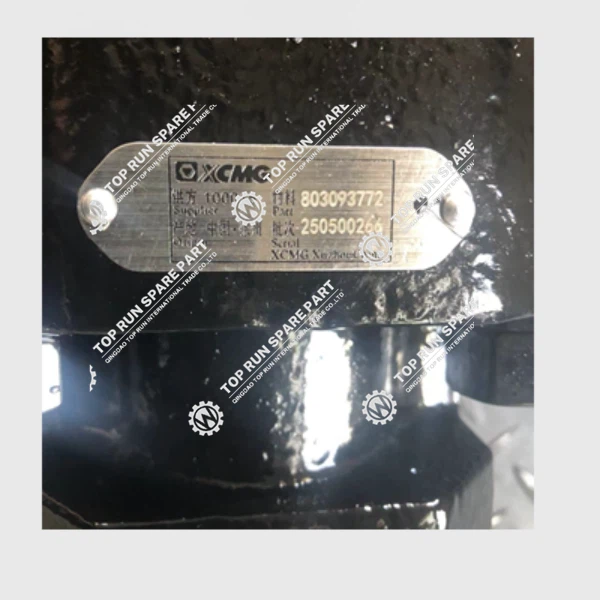
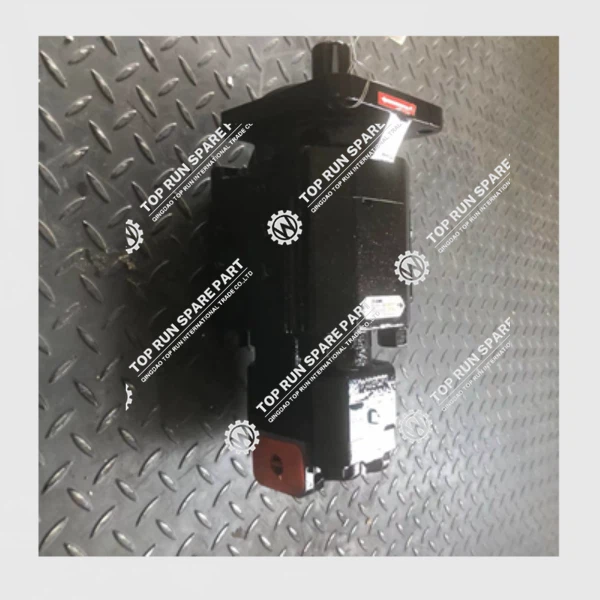
If you're in the market for a new wheel loader bucket or need replacement parts, such as Transmission Or Gearbox Assy 800307394, Gear Pump 803093772, or Wheel Loader Bucket Pins, I encourage you to contact us for more information. Our team of experts can help you find the right bucket and parts for your specific needs and provide you with competitive pricing and excellent customer service.
References
- Construction Equipment Magazine. (Year). Guide to Wheel Loader Buckets.
- Manufacturer's Specifications for Wheel Loader Buckets.
Categories
QR Code


