How to troubleshoot a Crane Compressor with abnormal noise?
 Language
 Français
 Español
 Árabe
Árabe
 Deutsch
 简体中文
简体中文
 Português
 Русский
 日本語
日本語
 한국어
한국어
 हिंदी
हिंदी
 Prancis
 Türkçe
 Tiếng Việt
 Italiano
 ไทย
ไทย

-
Tel
+86 15275228746
-
WhatsApp/WeChat
8615275228746
Blog
Company intro
10000m 2+ Cover Area QINGDAO TOP RUN INTERNATIONAL TRADE CO., LTD Qingdao Top Run International Trade Co., Ltd. has been a professional and leading supplier of construction machinery spare parts in China for over 15 years. With extensive experience and expertise, we have established strong partnerships with top manufacturers to offer a wide range of genuine and OEM parts for brands such as XCMG, SANY, ZOOMLION, SHANTUI, LIUGONG, and more. 80+ Employees View more Looking for properate products? Contact us
Send Message
How to troubleshoot a Crane Compressor with abnormal noise?
Nov 7, 2025
View: 263
Troubleshooting a Crane Compressor with abnormal noise can be a challenging but crucial task for anyone involved in the operation and maintenance of cranes. As a Crane Compressor supplier, I've encountered numerous cases where abnormal noise in the compressor signals underlying issues that need immediate attention. In this blog, I'll share some insights on how to effectively troubleshoot these problems.
Understanding the Importance of Early Detection
Abnormal noise in a crane compressor is not just an annoyance; it can be a warning sign of serious mechanical problems. Ignoring these noises can lead to more significant issues, such as compressor failure, which can result in costly downtime and repairs. By detecting and addressing the problem early, you can prevent further damage and ensure the smooth operation of your crane.
Initial Assessment
The first step in troubleshooting a crane compressor with abnormal noise is to conduct an initial assessment. This involves listening carefully to the noise to determine its characteristics. Is it a high - pitched squeal, a low - rumbling sound, or a knocking noise? The type of noise can provide valuable clues about the source of the problem.
For example, a high - pitched squeal may indicate a problem with the belts or pulleys. If the compressor's drive belt is loose or worn, it can slip on the pulleys, creating a squealing noise. On the other hand, a low - rumbling sound could be a sign of a problem with the compressor's internal components, such as the pistons or valves.
Inspecting the Exterior
Once you have an idea of the type of noise, the next step is to inspect the exterior of the compressor. Check for any visible signs of damage, such as loose bolts, cracks in the housing, or leaks. Loose bolts can cause vibrations, which may result in abnormal noise. Cracks in the housing can allow air to escape, leading to inefficient operation and potentially causing noise.
Leaks are also a common cause of abnormal noise. If there is a leak in the compressor's air lines or fittings, it can create a hissing sound. Inspect all the connections and hoses for signs of air leakage. You can use a soapy water solution to check for leaks. Apply the solution to the connections, and if there are bubbles, it indicates a leak.
Checking the Electrical Components
Electrical problems can also cause abnormal noise in a crane compressor. Check the motor and other electrical components for any signs of damage or malfunction. A faulty motor can make a humming or buzzing noise. Inspect the motor's wiring for any loose connections or frayed wires.
Another important electrical component to check is the Slip Ring 60209845. The slip ring is responsible for transferring electrical power and signals between the stationary and rotating parts of the crane. If the slip ring is worn or damaged, it can cause intermittent electrical contact, resulting in abnormal noise.
Examining the Lubrication System
Proper lubrication is essential for the smooth operation of a crane compressor. Insufficient or contaminated lubricant can cause increased friction between the moving parts, leading to abnormal noise. Check the oil level in the compressor's lubrication system. If the oil level is low, add the appropriate type of oil as recommended by the manufacturer.
Inspect the oil for any signs of contamination. Contaminated oil may appear dirty or have a strange odor. If the oil is contaminated, it should be drained and replaced with fresh oil. In addition, check the oil filter. A clogged oil filter can restrict the flow of oil, causing poor lubrication and potentially leading to abnormal noise.
Analyzing the Compressor's Air Intake and Exhaust
The compressor's air intake and exhaust systems can also contribute to abnormal noise. Check the air intake filter. A dirty or clogged air intake filter can restrict the flow of air into the compressor, causing it to work harder and produce abnormal noise. Clean or replace the air intake filter as needed.
Inspect the exhaust system for any blockages. A blocked exhaust can cause back - pressure in the compressor, leading to abnormal noise and reduced performance. Make sure that the exhaust pipes are clear and that the muffler is functioning properly.
Evaluating the Compressor's Internal Components
If the above steps do not identify the source of the abnormal noise, it may be necessary to evaluate the compressor's internal components. This is a more advanced troubleshooting step and may require the assistance of a professional technician.
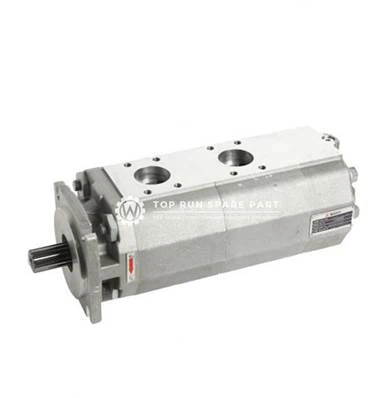
The Triple Gear Pump is an important internal component of the compressor. It is responsible for pumping oil and other fluids within the compressor. If the triple gear pump is damaged or malfunctioning, it can cause abnormal noise. Inspect the pump for any signs of wear or damage, such as worn gears or leaks.
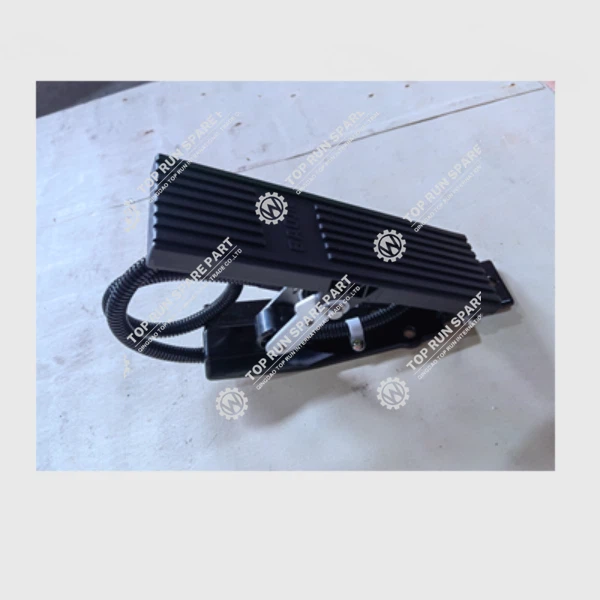
The accelerator pedal is also a component that can affect the compressor's operation. The Accelerator Pedal controls the speed of the compressor. If the accelerator pedal is not functioning properly, it can cause the compressor to operate at an incorrect speed, resulting in abnormal noise. Check the accelerator pedal for any loose connections or damage.
Documenting and Recording the Findings
Throughout the troubleshooting process, it is important to document and record your findings. This includes noting the type of noise, the results of your inspections, and any actions taken. Keeping a detailed record can help you track the progress of the troubleshooting and provide valuable information for future maintenance and repairs.
Seeking Professional Help
If you are unable to identify or fix the problem on your own, it is advisable to seek professional help. A qualified technician with experience in crane compressors can use specialized tools and equipment to diagnose and repair the problem. They can also provide valuable advice on preventive maintenance to avoid similar issues in the future.
Conclusion
Troubleshooting a crane compressor with abnormal noise requires a systematic approach. By conducting a thorough assessment, inspecting the exterior and interior components, and analyzing the compressor's operation, you can identify the source of the problem and take appropriate action. As a Crane Compressor supplier, I understand the importance of keeping your equipment in top - notch condition. If you are facing issues with your crane compressor or need spare parts such as the Slip Ring 60209845, Triple Gear Pump, or Accelerator Pedal, feel free to contact us for procurement and further discussion. We are committed to providing high - quality products and excellent service to meet your needs.
References
- Crane Compressor Maintenance Manuals
- Industry Standards for Crane Compressor Operation and Maintenance
Categories
QR Code


