How to troubleshoot a malfunctioning control system of an excavator compressor?
 Language
 Français
 Español
 Árabe
Árabe
 Deutsch
 简体中文
简体中文
 Português
 Русский
 日本語
日本語
 한국어
한국어
 हिंदी
हिंदी
 Prancis
 Türkçe
 Tiếng Việt
 Italiano
 ไทย
ไทย

-
Tel
+86 15275228746
-
WhatsApp/WeChat
8615275228746
Blog
Company intro
10000m 2+ Cover Area QINGDAO TOP RUN INTERNATIONAL TRADE CO., LTD Qingdao Top Run International Trade Co., Ltd. has been a professional and leading supplier of construction machinery spare parts in China for over 15 years. With extensive experience and expertise, we have established strong partnerships with top manufacturers to offer a wide range of genuine and OEM parts for brands such as XCMG, SANY, ZOOMLION, SHANTUI, LIUGONG, and more. 80+ Employees View more Looking for properate products? Contact us
Send Message
How to troubleshoot a malfunctioning control system of an excavator compressor?
Sep 18, 2025
View: 232
Hey there! As a supplier of Excavator Compressors, I've seen my fair share of issues with these crucial components. A malfunctioning control system in an excavator compressor can be a real headache, but don't worry – I'm here to walk you through some troubleshooting steps.
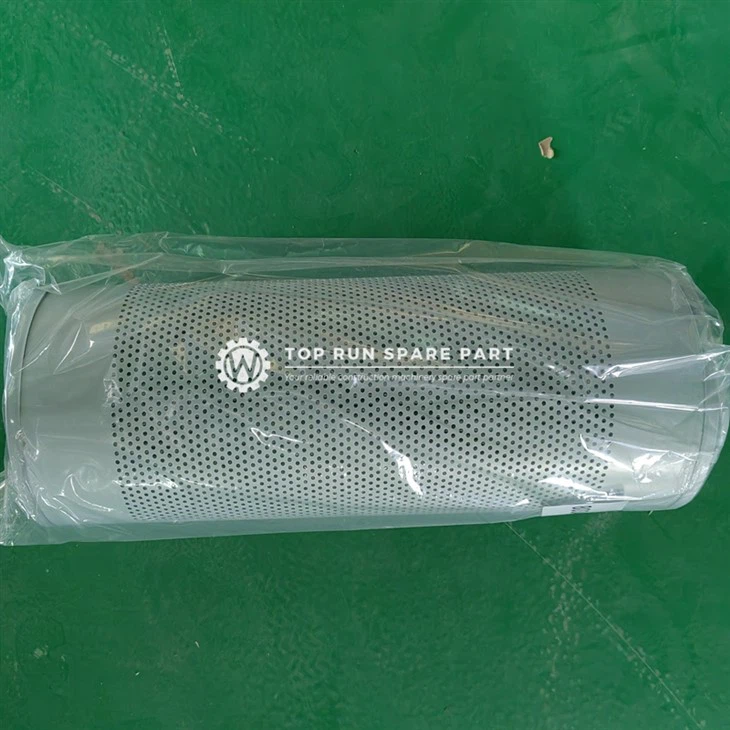

First off, let's understand why the control system of an excavator compressor is so important. The control system manages the compressor's operation, ensuring it runs at the right pressure, temperature, and speed. When it malfunctions, it can lead to reduced performance, increased energy consumption, and even damage to the compressor itself.
Initial Checks
The first thing you should do when you suspect a problem with the control system is to perform some basic checks. Start by looking at the power supply. Make sure the compressor is properly connected to a stable power source. Check for any blown fuses or tripped circuit breakers. A simple power issue can sometimes mimic more complex control system problems.
Next, inspect the wiring. Over time, wires can become loose, damaged, or corroded. Look for any signs of fraying, cuts, or disconnections. Pay special attention to the connections at the control panel and the compressor motor. If you find any damaged wires, you'll need to repair or replace them.
Sensor Checks
The control system relies on various sensors to monitor the compressor's performance. These sensors can include pressure sensors, temperature sensors, and speed sensors. A faulty sensor can send incorrect information to the control system, causing it to malfunction.
To check the sensors, you'll need a multimeter. First, locate the sensor you want to test. Disconnect the sensor from the control system and use the multimeter to measure its resistance. Compare the measured resistance to the manufacturer's specifications. If the resistance is outside the normal range, the sensor is likely faulty and needs to be replaced.
For example, if the pressure sensor is not working correctly, the control system may not be able to maintain the proper pressure in the compressor. This can lead to inefficient operation and potential damage to the compressor. You can find high - quality Excavator Filters that can also help in maintaining the overall health of the compressor system, as clogged filters can put additional stress on the sensors and the control system.
Control Panel Inspection
The control panel is the brain of the control system. It houses the microcontroller, relays, and other components that manage the compressor's operation. Inspect the control panel for any signs of damage, such as burnt components or loose connections.
If you notice any burnt components, it's likely that there has been an electrical overload. This could be due to a short circuit in the wiring or a malfunctioning component within the control panel. In this case, you'll need to replace the damaged component.
Check the relays in the control panel. Relays are used to control the flow of electricity to different parts of the compressor. A faulty relay can cause the compressor to not start or stop properly. You can test the relays using a multimeter to check for continuity. If a relay is faulty, replace it with a new one.
Software and Firmware Checks
Many modern excavator compressors have control systems that rely on software or firmware. Outdated or corrupted software can cause the control system to malfunction. Check the manufacturer's website for any available software or firmware updates for your compressor.
Before updating the software or firmware, make sure to back up any important settings or data. Follow the manufacturer's instructions carefully when performing the update. Sometimes, a simple software update can fix a wide range of control system issues.
Calibration
Over time, the control system may lose its calibration. This can cause the compressor to operate at incorrect pressures, temperatures, or speeds. To calibrate the control system, you'll need to refer to the manufacturer's manual.
The calibration process typically involves adjusting the sensors and the control settings to ensure accurate operation. It may require specialized tools and knowledge, so if you're not comfortable performing the calibration yourself, it's best to contact a professional technician.
Communication Issues
If your excavator compressor is part of a larger system, there may be communication issues between the control system and other components. Check the communication cables for any damage or loose connections. Make sure the communication protocols are set correctly.
For example, if the compressor is connected to a monitoring system, communication problems can prevent the system from receiving accurate data about the compressor's performance. This can make it difficult to detect and troubleshoot issues.
Compressor Motor Checks
The compressor motor is an integral part of the system, and problems with the motor can also affect the control system. Check the motor for any signs of overheating, unusual noises, or vibration. Overheating can be caused by a variety of factors, including a faulty motor winding, a blocked cooling system, or an overloaded motor.
If the motor is overheating, you'll need to identify and address the root cause. This may involve checking the motor's electrical connections, cleaning the cooling fins, or reducing the load on the motor. A damaged motor can put additional stress on the control system, so it's important to fix any motor problems as soon as possible.
Final Checks and Testing
After performing all the above checks and repairs, it's time to test the compressor. Start the compressor and let it run for a few minutes. Monitor the control panel for any error messages or abnormal readings. Check the compressor's performance, including the pressure, temperature, and speed.
If the compressor is running smoothly and the control system is functioning properly, you've successfully troubleshooted the problem. However, if you still encounter issues, it may be necessary to contact a professional technician or the manufacturer's support team for further assistance.
Importance of Quality Parts
Using high - quality parts is essential for the proper functioning of the excavator compressor and its control system. When replacing sensors, wiring, or other components, make sure to use parts that meet the manufacturer's specifications. You can find a wide range of reliable Excavator Compressor and related parts on our website.
For example, using low - quality Excavator Teeth can cause additional stress on the compressor, which in turn can affect the control system. High - quality parts are more durable and less likely to fail, reducing the risk of future control system malfunctions.
Contact for Procurement
If you're facing issues with your excavator compressor control system or if you're in the market for high - quality excavator parts, we're here to help. We offer a wide range of products to meet your needs. Whether you need a new compressor, filters, or sensors, we can provide you with the right solutions. Don't hesitate to reach out to us for procurement and to discuss your specific requirements.
References
- Manufacturer's manuals for excavator compressors
- Electrical engineering textbooks on motor control and sensor systems
- Industry publications on excavator maintenance and troubleshooting
Categories
QR Code


