How to use a wheel loader bucket for handling logs?
 Language
 Français
 Español
 Árabe
Árabe
 Deutsch
 简体中文
简体中文
 Português
 Русский
 日本語
日本語
 한국어
한국어
 हिंदी
हिंदी
 Prancis
 Türkçe
 Tiếng Việt
 Italiano
 ไทย
ไทย

-
Tel
+86 15275228746
-
WhatsApp/WeChat
8615275228746
Blog
Company intro
10000m 2+ Cover Area QINGDAO TOP RUN INTERNATIONAL TRADE CO., LTD Qingdao Top Run International Trade Co., Ltd. has been a professional and leading supplier of construction machinery spare parts in China for over 15 years. With extensive experience and expertise, we have established strong partnerships with top manufacturers to offer a wide range of genuine and OEM parts for brands such as XCMG, SANY, ZOOMLION, SHANTUI, LIUGONG, and more. 80+ Employees View more Looking for properate products? Contact us
Send Message
How to use a wheel loader bucket for handling logs?
Oct 3, 2025
View: 213
Hey there! I'm a supplier of wheel loader buckets, and today I'm gonna share with you how to use a wheel loader bucket for handling logs. It's not as simple as it might seem, but with the right know - how, you can get the job done efficiently and safely.
Pre - operation Checks
Before you even think about using the wheel loader bucket to handle logs, you need to do a thorough pre - operation check. First off, take a look at the bucket itself. Check for any signs of wear and tear, like cracks or bent edges. If you notice any issues, it's important to address them right away. You don't want a damaged bucket failing on you in the middle of the job.
Also, make sure all the Wheel Loader Bucket Pins are in good condition. These pins hold the bucket in place, and if they're loose or damaged, it can lead to some serious problems. A loose pin might cause the bucket to shift unexpectedly, which is a huge safety hazard.
Next, check the hydraulic system. The hydraulics are what allow you to lift, lower, and tilt the bucket. Look for any leaks in the hoses or cylinders. Low hydraulic fluid levels can also cause problems, so make sure it's topped up. You don't want the hydraulics to fail while you're trying to pick up a heavy load of logs.
Positioning the Wheel Loader
Once you've done your pre - operation checks, it's time to position the wheel loader. You want to get as close to the logs as possible without actually hitting them. This might take a bit of practice, but it's crucial for efficient log handling.
Back the wheel loader up slowly until the bucket is just in front of the logs. Make sure the loader is on a stable surface. Uneven ground can make it difficult to control the loader and increase the risk of tipping over. If the ground is soft or muddy, you might need to use some kind of stabilizing equipment, like outriggers.
Picking Up the Logs
Now comes the fun part - picking up the logs. First, lower the bucket so that it's just above the ground. Then, drive the loader forward slowly until the bucket is under the logs. Try to get the bucket as far under the logs as you can to get a good grip.
Once the bucket is in position, use the hydraulic controls to tilt the bucket back. This will help to scoop up the logs. As you tilt the bucket, you'll feel the resistance of the logs. Keep applying pressure until the logs are securely in the bucket.
It's important not to try and pick up too many logs at once. Overloading the bucket can cause the loader to become unstable and increase the wear and tear on the equipment. A good rule of thumb is to only pick up as many logs as the bucket can comfortably hold without overloading.
Transporting the Logs
After you've picked up the logs, it's time to transport them to their destination. When driving with a load of logs in the bucket, keep the speed down. High speeds can make the loader more difficult to control, especially if you have to make sudden stops or turns.
Keep the bucket at a low height while transporting the logs. This will lower the center of gravity of the loader and make it more stable. If you raise the bucket too high, it can increase the risk of tipping over, especially on uneven ground.
When you're approaching the unloading area, slow down even more. Make sure the area is clear of any obstacles or people. You don't want to accidentally hit something or someone while you're unloading the logs.
Unloading the Logs
When you reach the unloading area, position the loader so that the bucket is over the spot where you want to unload the logs. Use the hydraulic controls to tilt the bucket forward slowly. As you tilt the bucket, the logs will start to roll out.
Be careful not to tilt the bucket too quickly. This can cause the logs to fall out in an uncontrolled manner, which can be dangerous. Keep an eye on the logs as they're unloading to make sure they're going where you want them to go.
Maintenance and Spare Parts
Regular maintenance is key to keeping your wheel loader and its bucket in good working condition. After each use, clean the bucket to remove any dirt, debris, or sawdust. This will help to prevent corrosion and damage to the bucket.
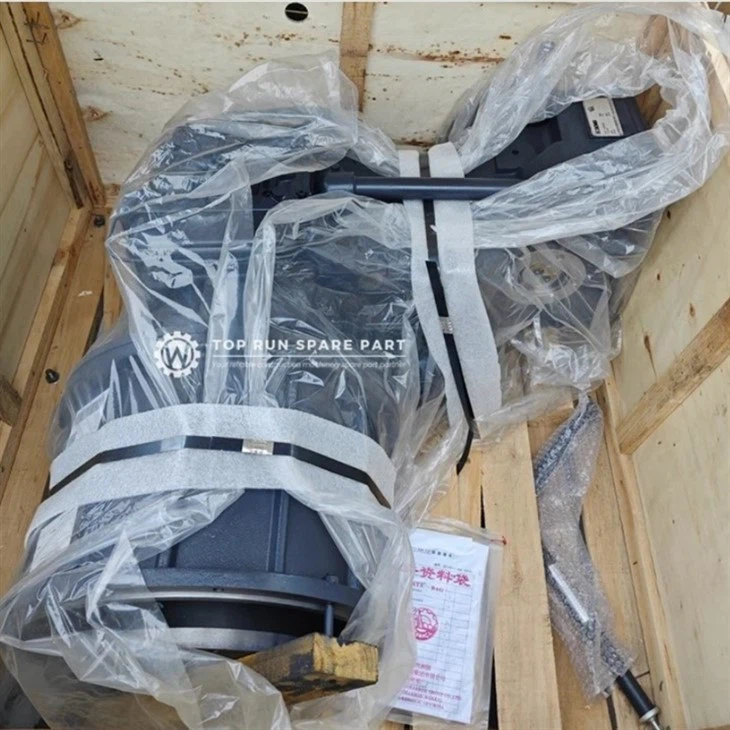
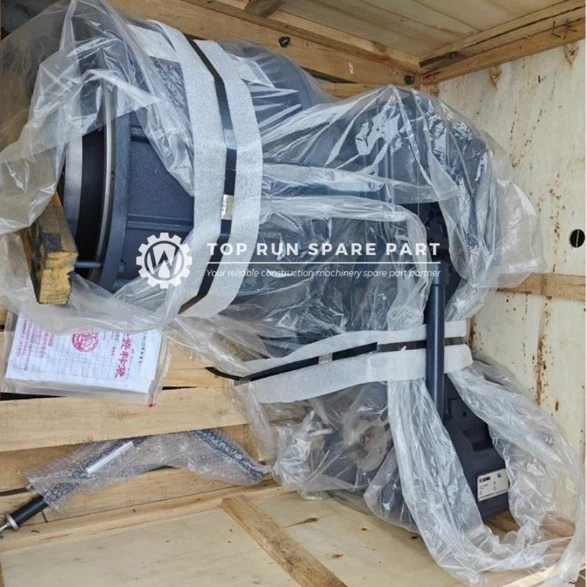
It's also a good idea to have some spare parts on hand, like Transmission Or Gearbox Assy 800307394 and Transmission Assembly Or Gearbox 800357721 Yd13004137. These parts can wear out over time, and having spares on hand can save you a lot of time and money in case of a breakdown.
Safety Tips
Safety should always be your top priority when using a wheel loader bucket to handle logs. Always wear the appropriate safety gear, like a hard hat, safety glasses, and steel - toed boots.
Never stand under the bucket when it's raised. The bucket could fall unexpectedly, causing serious injury or even death. Also, make sure there are no bystanders in the area when you're operating the loader.
If you're not experienced in using a wheel loader, it's a good idea to get some training. There are many training courses available that can teach you the proper techniques for operating a loader safely and efficiently.
Conclusion
Using a wheel loader bucket for handling logs can be a great way to move large quantities of logs quickly and efficiently. But it's important to follow the proper procedures and safety guidelines to avoid accidents and damage to the equipment.
If you're in the market for a high - quality wheel loader bucket or need any of the spare parts I mentioned, don't hesitate to reach out. We've got a wide range of products to meet your needs. Whether you're a small - scale logger or a large - scale forestry operation, we can help you find the right equipment for the job.
References
- Forestry Equipment Operator's Manuals
- Industry best - practice guides for wheel loader operation
- Safety regulations for heavy equipment operation
Categories
QR Code


