Is it possible to operate a Crane Compressor at low pressure for a long time?
 Language
 Français
 Español
 Árabe
Árabe
 Deutsch
 简体中文
简体中文
 Português
 Русский
 日本語
日本語
 한국어
한국어
 हिंदी
हिंदी
 Prancis
 Türkçe
 Tiếng Việt
 Italiano
 ไทย
ไทย

-
Tel
+86 15275228746
-
WhatsApp/WeChat
8615275228746
Blog
Company intro
10000m 2+ Cover Area QINGDAO TOP RUN INTERNATIONAL TRADE CO., LTD Qingdao Top Run International Trade Co., Ltd. has been a professional and leading supplier of construction machinery spare parts in China for over 15 years. With extensive experience and expertise, we have established strong partnerships with top manufacturers to offer a wide range of genuine and OEM parts for brands such as XCMG, SANY, ZOOMLION, SHANTUI, LIUGONG, and more. 80+ Employees View more Looking for properate products? Contact us
Send Message
Is it possible to operate a Crane Compressor at low pressure for a long time?
Jan 13, 2026
View: 231
Operating a Crane Compressor at low pressure for an extended period is a topic that often sparks discussions among industry professionals. As a supplier of Crane Compressors, I've encountered numerous inquiries regarding the feasibility and implications of such an operation. In this blog, I'll delve into the scientific aspects, potential consequences, and considerations associated with long - term low - pressure operation of Crane Compressors.
The Science Behind Compressor Operation
To understand whether long - term low - pressure operation is possible, we first need to grasp the basic principles of how a Crane Compressor works. A compressor is designed to increase the pressure of a gas by reducing its volume. This process involves mechanical work, typically provided by an electric motor or an engine. The compression ratio, which is the ratio of the discharge pressure to the suction pressure, is a crucial parameter.
In a normal operating scenario, the compressor is engineered to operate within a specific pressure range. The internal components, such as pistons, valves, and seals, are designed to withstand the forces and pressures associated with this range. When the compressor operates at low pressure, the compression ratio decreases. This means that the work done by the compressor per unit volume of gas is reduced.
Potential Advantages of Low - Pressure Operation
There are some potential advantages to operating a Crane Compressor at low pressure for a long time. One of the main benefits is energy savings. Since the compressor is doing less work to compress the gas, it consumes less power. This can result in significant cost savings over time, especially for applications where the compressor runs continuously.
Another advantage is reduced wear and tear on the compressor components. Lower pressures mean less stress on the pistons, valves, and seals. This can potentially extend the lifespan of these components and reduce the frequency of maintenance and replacement.
Challenges and Consequences of Long - Term Low - Pressure Operation
However, there are also several challenges and consequences associated with long - term low - pressure operation. One of the primary issues is the impact on the cooling system. Compressors generate a significant amount of heat during operation, and the cooling system is designed to dissipate this heat effectively at normal operating pressures. When the compressor operates at low pressure, the mass flow rate of the gas through the cooling system may decrease. This can lead to inadequate cooling, causing the compressor to overheat. Overheating can damage the internal components, such as the motor windings, bearings, and seals, and may even lead to compressor failure.
Another consequence is the potential for oil carry - over. In a compressor, oil is used for lubrication and sealing. At low pressures, the oil separation process may be less efficient. This can result in oil being carried over into the compressed gas stream. Oil carry - over can contaminate downstream equipment, such as filters, valves, and pneumatic tools, reducing their performance and lifespan.
The performance of the compressor may also be affected. Low - pressure operation can lead to a decrease in the volumetric efficiency of the compressor. Volumetric efficiency is a measure of how effectively the compressor can draw in and compress gas. A decrease in volumetric efficiency means that the compressor may not be able to deliver the required volume of compressed gas, which can impact the overall performance of the system.
Impact on Compressor Components
Let's take a closer look at how long - term low - pressure operation affects specific compressor components.
Pistons and Cylinders
Pistons and cylinders are critical components of a reciprocating compressor. At low pressures, the force exerted on the pistons is reduced. While this may seem beneficial in terms of wear, it can also lead to issues. The reduced force may cause the pistons to move less smoothly within the cylinders, leading to uneven wear. This can result in increased clearance between the piston and the cylinder wall, which can cause gas leakage and a further decrease in compressor efficiency.
Valves
Compressor valves are designed to open and close at specific pressures to control the flow of gas in and out of the cylinders. At low pressures, the valves may not operate as intended. The reduced pressure differential across the valves can cause them to open and close more slowly or not fully. This can lead to inefficient gas flow, increased pressure drop, and reduced compressor performance.
Seals
Seals are used to prevent gas leakage between different parts of the compressor. Low - pressure operation can affect the performance of seals. The reduced pressure may cause the seals to lose their proper seating, leading to gas leakage. This can not only reduce the efficiency of the compressor but also pose a safety hazard if the compressed gas is flammable or toxic.
Considerations for Long - Term Low - Pressure Operation
If you are considering operating a Crane Compressor at low pressure for a long time, there are several factors to take into account.
System Requirements
First, you need to ensure that the low - pressure operation meets the requirements of your system. If the downstream equipment requires a certain pressure and volume of compressed gas, operating the compressor at low pressure may not be feasible. You may need to evaluate whether the system can be modified to accommodate the lower pressure output.
Monitoring and Maintenance
Regular monitoring and maintenance are essential when operating a compressor at low pressure. You should monitor the temperature, pressure, and performance of the compressor closely. Any signs of overheating, oil carry - over, or decreased performance should be addressed immediately. Additionally, the maintenance schedule may need to be adjusted to account for the unique conditions of low - pressure operation.
Compressor Design
Not all Crane Compressors are designed to operate at low pressure for extended periods. Some compressors may have specific features or modifications that make them more suitable for low - pressure operation. It's important to consult with the manufacturer or a compressor expert to determine if your compressor can handle long - term low - pressure operation.
Related Crane Spare Parts
In the context of Crane Compressor operation, having access to high - quality spare parts is crucial. For example, the Crane Controller plays a vital role in regulating the operation of the compressor. It can monitor and control various parameters, such as pressure, temperature, and speed, ensuring optimal performance.
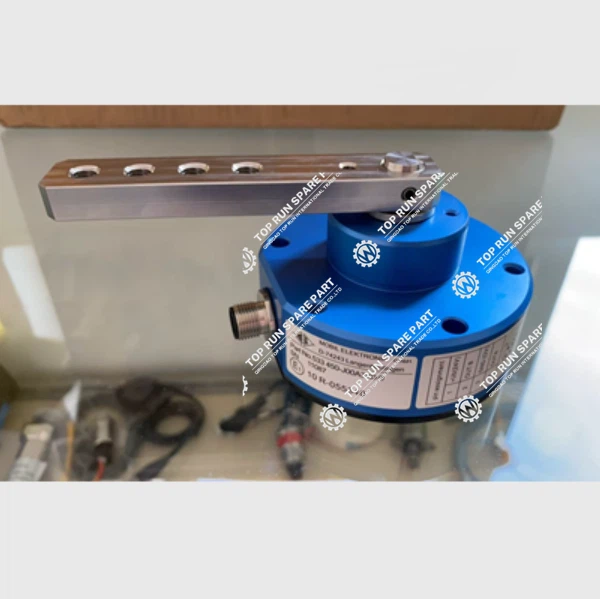
The ANGLE SENSOR Mobil Elektronik is another important component. It can provide accurate angle measurements, which are essential for the proper operation of the crane and its associated compressor.
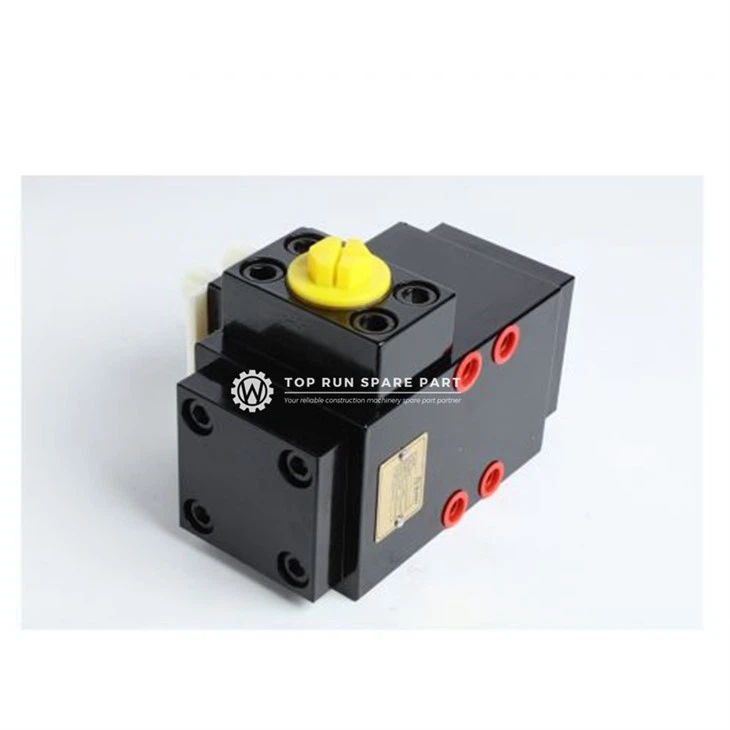
The Balance Valve 60066198 helps to maintain the balance of pressure in the system. It can prevent pressure fluctuations and ensure stable operation of the compressor.
Conclusion
In conclusion, while it is technically possible to operate a Crane Compressor at low pressure for a long time, it comes with both advantages and challenges. Energy savings and reduced wear and tear are potential benefits, but issues such as overheating, oil carry - over, and reduced performance need to be carefully considered.
If you are considering long - term low - pressure operation of your Crane Compressor, I encourage you to reach out to us. As a supplier of Crane Compressors and related spare parts, we have the expertise and experience to help you make an informed decision. We can provide you with detailed information about your compressor's capabilities, offer solutions to address potential issues, and supply high - quality spare parts to ensure the reliable operation of your compressor. Whether you need advice on system design, maintenance, or spare parts procurement, we are here to assist you. Contact us today to start a discussion about your specific requirements and how we can support your operations.
References
- Compressor Handbook, Second Edition by Heinz P. Bloch and Fred K. Geitner
- Principles of Refrigeration by R. C. Downing
- Industrial Compressor Technology by Andrew T. Smith
Categories
QR Code


