What are the common errors in a crane load display?
 Language
 Français
 Español
 Árabe
Árabe
 Deutsch
 简体中文
简体中文
 Português
 Русский
 日本語
日本語
 한국어
한국어
 हिंदी
हिंदी
 Prancis
 Türkçe
 Tiếng Việt
 Italiano
 ไทย
ไทย

-
Tel
+86 15275228746
-
WhatsApp/WeChat
8615275228746
Blog
Company intro
10000m 2+ Cover Area QINGDAO TOP RUN INTERNATIONAL TRADE CO., LTD Qingdao Top Run International Trade Co., Ltd. has been a professional and leading supplier of construction machinery spare parts in China for over 15 years. With extensive experience and expertise, we have established strong partnerships with top manufacturers to offer a wide range of genuine and OEM parts for brands such as XCMG, SANY, ZOOMLION, SHANTUI, LIUGONG, and more. 80+ Employees View more Looking for properate products? Contact us
Send Message
What are the common errors in a crane load display?
Oct 24, 2025
View: 226
As a seasoned supplier of Crane Load Displays, I've witnessed firsthand the critical role these devices play in ensuring the safety and efficiency of crane operations. However, like any complex piece of equipment, crane load displays are prone to a variety of errors that can compromise their accuracy and reliability. In this blog post, I'll explore some of the most common errors encountered in crane load displays and discuss how to mitigate them.
Sensor Calibration Errors
One of the most prevalent issues in crane load displays is sensor calibration errors. Load sensors are responsible for measuring the weight of the load being lifted and transmitting this information to the display unit. Over time, these sensors can become misaligned or damaged, leading to inaccurate readings. This can occur due to factors such as mechanical wear and tear, environmental conditions, or improper installation.
To address sensor calibration errors, regular maintenance and calibration are essential. It's recommended to have load sensors calibrated by a qualified technician at least once a year or more frequently if the crane is subjected to heavy use or harsh operating conditions. Additionally, operators should be trained to recognize the signs of sensor malfunction, such as erratic readings or abnormal behavior, and report them immediately.
Electrical Interference
Electrical interference is another common cause of errors in crane load displays. Cranes are often equipped with a variety of electrical systems, including motors, controllers, and communication devices, which can generate electromagnetic fields that interfere with the operation of the load display. This interference can manifest as noise, signal distortion, or complete loss of communication between the sensors and the display unit.
To minimize electrical interference, it's important to ensure that the load display system is properly grounded and shielded. This can help to reduce the impact of electromagnetic fields and prevent interference from affecting the accuracy of the readings. Additionally, operators should avoid using electronic devices near the crane that may generate electromagnetic interference, such as mobile phones or radios.
Software Glitches
In today's digital age, many crane load displays rely on software to process and display the load data. While software offers numerous benefits, such as increased functionality and flexibility, it can also be prone to glitches and bugs. Software errors can occur due to a variety of factors, including programming mistakes, compatibility issues, or corrupted data.
To prevent software glitches, it's important to keep the load display software up to date with the latest patches and updates. Manufacturers typically release software updates to address known issues and improve the performance of the system. Additionally, operators should be trained to use the load display software correctly and to follow the recommended procedures for data entry and retrieval.
Mechanical Damage
Mechanical damage is another common cause of errors in crane load displays. The display unit and sensors are often exposed to harsh operating conditions, such as vibrations, impacts, and extreme temperatures, which can cause physical damage to the components. This can lead to inaccurate readings, loss of communication, or complete failure of the system.
To prevent mechanical damage, it's important to protect the load display system from physical impact and vibration. This can be achieved by installing the display unit and sensors in a secure location and using protective covers or enclosures. Additionally, operators should be trained to handle the crane and its components with care and to avoid subjecting the load display system to unnecessary stress or damage.
Incorrect Installation
Incorrect installation is a common cause of errors in crane load displays. If the load display system is not installed correctly, it can lead to inaccurate readings, signal interference, or other issues. This can occur due to factors such as improper wiring, incorrect sensor placement, or inadequate mounting.
To ensure proper installation, it's important to follow the manufacturer's instructions carefully and to use the recommended tools and materials. Additionally, it's recommended to have the load display system installed by a qualified technician who has experience working with crane equipment. A professional installation can help to ensure that the system is installed correctly and that it operates safely and efficiently.
Mitigating Common Errors
To mitigate the common errors in crane load displays, it's important to implement a comprehensive maintenance and inspection program. This program should include regular calibration of the load sensors, software updates, and physical inspections of the display unit and sensors. Additionally, operators should be trained to recognize the signs of potential problems and to report them immediately.
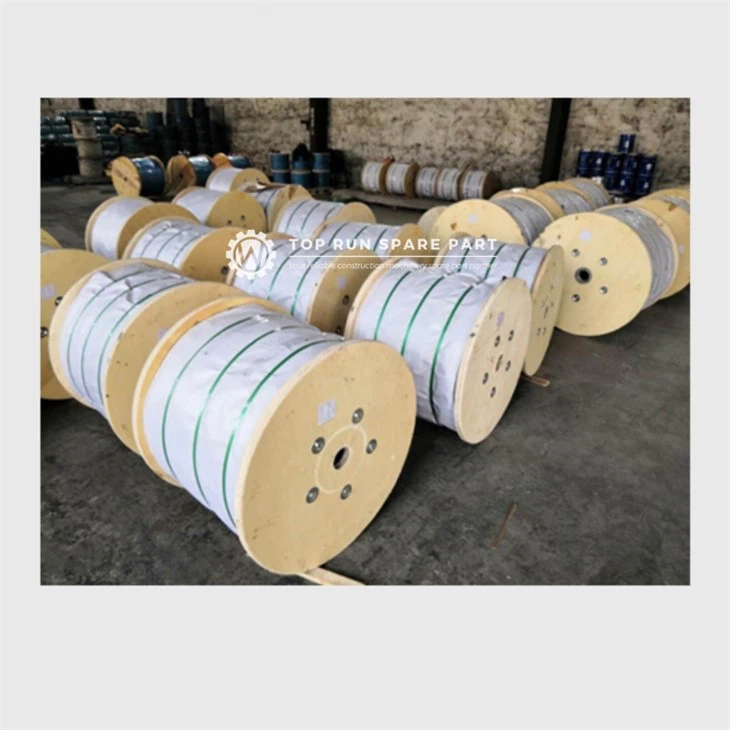
In addition to maintenance and inspection, it's also important to use high-quality components and materials when installing or replacing the load display system. This can help to ensure the reliability and accuracy of the system and reduce the risk of errors and malfunctions. For example, using a Crane Steel Wire Rope that is designed for the specific application can help to ensure the safe and efficient operation of the crane.
Another important aspect of mitigating common errors is to provide operators with the necessary training and support. Operators should be trained to use the load display system correctly and to understand the importance of accurate load measurement. Additionally, they should be provided with access to technical support and resources in case they encounter any problems or have questions about the system.
Conclusion
In conclusion, crane load displays are essential components of any crane system, providing operators with critical information about the weight of the load being lifted. However, these devices are prone to a variety of errors that can compromise their accuracy and reliability. By understanding the common errors in crane load displays and implementing a comprehensive maintenance and inspection program, operators can ensure the safe and efficient operation of their cranes.
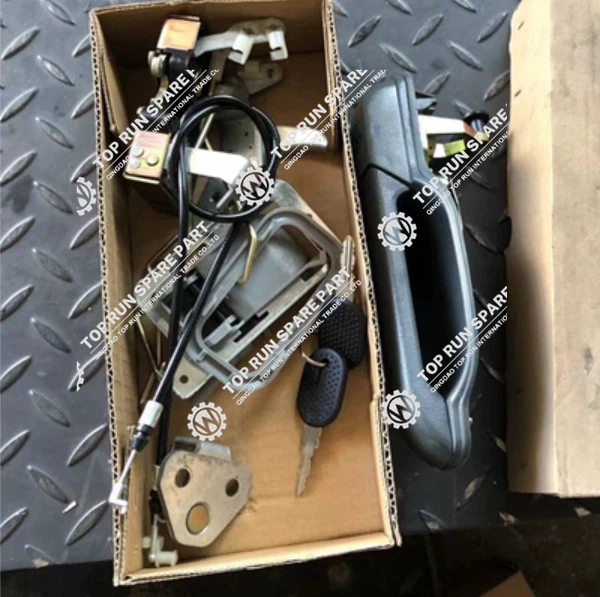
If you're in the market for a high-quality crane load display or need assistance with maintenance and calibration, please don't hesitate to contact us. We're a leading supplier of crane load displays and related products, and we're committed to providing our customers with the best possible solutions and support. Whether you need a Door Handle Kit or a Balance Valve 1010300194, we have the expertise and experience to meet your needs.
References
- Crane Manufacturers Association of America (CMAA). (2019). Specification for Overhead and Gantry Cranes (Top Running Bridge, Multiple Girder, Electric).
- Occupational Safety and Health Administration (OSHA). (2019). Crane and Derrick Safety Standard.
- American Society of Mechanical Engineers (ASME). (2019). B30.5 - Mobile and Locomotive Cranes.
Categories
QR Code


