What are the common failures of a Crane Moment Limiter?
 Language
 Français
 Español
 Árabe
Árabe
 Deutsch
 简体中文
简体中文
 Português
 Русский
 日本語
日本語
 한국어
한국어
 हिंदी
हिंदी
 Prancis
 Türkçe
 Tiếng Việt
 Italiano
 ไทย
ไทย

-
Tel
+86 15275228746
-
WhatsApp/WeChat
8615275228746
Blog
Company intro
10000m 2+ Cover Area QINGDAO TOP RUN INTERNATIONAL TRADE CO., LTD Qingdao Top Run International Trade Co., Ltd. has been a professional and leading supplier of construction machinery spare parts in China for over 15 years. With extensive experience and expertise, we have established strong partnerships with top manufacturers to offer a wide range of genuine and OEM parts for brands such as XCMG, SANY, ZOOMLION, SHANTUI, LIUGONG, and more. 80+ Employees View more Looking for properate products? Contact us
Send Message
What are the common failures of a Crane Moment Limiter?
Dec 12, 2025
View: 245
Hey there! As a supplier of Crane Moment Limiters, I've seen my fair share of issues with these crucial pieces of equipment. In this blog, I'm gonna break down the common failures of a Crane Moment Limiter so you can be better prepared to deal with them.
1. Sensor Malfunctions
One of the most common problems we encounter is sensor malfunctions. The sensors in a Crane Moment Limiter are responsible for measuring various parameters like load weight, boom angle, and radius. If these sensors aren't working properly, the limiter won't be able to accurately calculate the crane's moment and issue warnings or shut - down the crane when necessary.
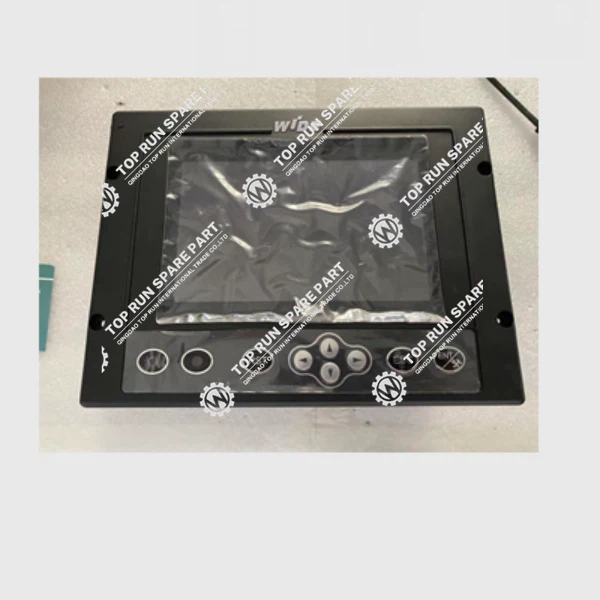
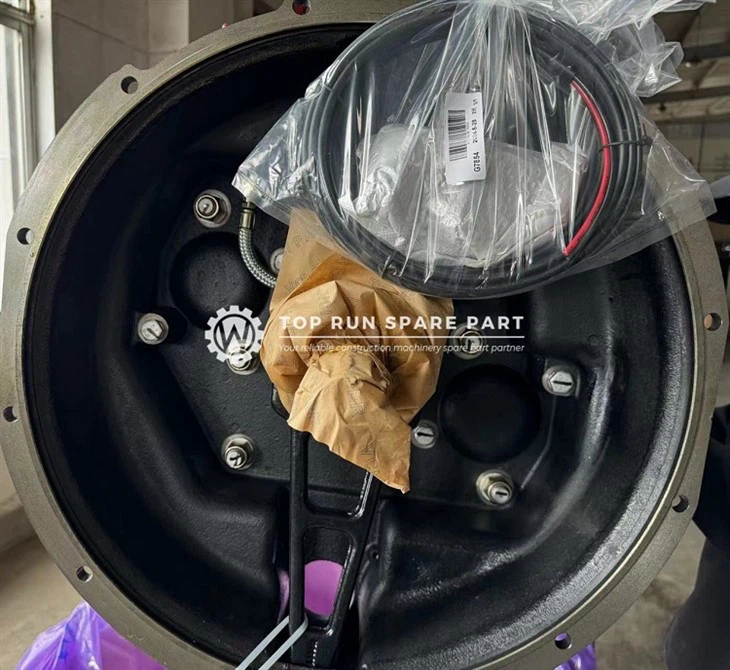
There are a few reasons why sensors might fail. First off, environmental factors can take a toll on them. Exposure to extreme temperatures, moisture, dust, and vibrations can all cause sensor degradation over time. For example, if a crane is operating in a humid coastal area, the sensors may start to corrode, which can lead to inaccurate readings.
Another reason could be physical damage. Sensors can get bumped, knocked, or even hit by debris during crane operations. This can misalign the sensors or damage their internal components, rendering them useless. To mitigate these issues, regular inspections and maintenance of the sensors are essential. And if you need replacement parts, check out Gearbox Assy Or Transmission for related products that might be helpful in the overall crane system.
2. Electrical Problems
Electrical issues are also a frequent culprit when it comes to Crane Moment Limiter failures. The limiter relies on a complex electrical system to function correctly, and any problems in this system can cause it to malfunction.
One common electrical problem is wiring issues. Over time, the wires can become frayed, damaged, or loose due to constant movement and vibrations. This can disrupt the flow of electricity and cause intermittent or complete failure of the limiter. Loose connections can also lead to short - circuits, which can not only damage the limiter but also pose a safety hazard.
Power supply problems are another concern. If the crane's power system is unstable or if there are voltage fluctuations, it can affect the performance of the Moment Limiter. A sudden power surge can fry the electronic components of the limiter, while a power outage can cause it to reset and lose important calibration data.
To prevent electrical problems, it's important to have a professional electrician regularly inspect the wiring and power supply of the crane and the limiter. And if you're looking for spare parts to fix any electrical issues, the Balance Beam Repair Kit Spare Parts might come in handy.
3. Software Glitches
In modern Crane Moment Limiters, software plays a vital role in calculating the crane's moment and controlling its operations. However, software glitches can occur, causing the limiter to malfunction.
One reason for software glitches is outdated software. As technology advances, the manufacturers of Crane Moment Limiters release software updates to improve performance, fix bugs, and add new features. If you don't keep your limiter's software up - to - date, you're more likely to encounter glitches.
Another issue could be compatibility problems. If the limiter's software is not compatible with other systems on the crane, such as the control system or the sensor interfaces, it can lead to errors and malfunctions.
To avoid software glitches, make sure to follow the manufacturer's recommendations for software updates. And if you're in the market for a reliable Crane Moment Limiter, check out the WIDE LMI Load Moment Limiter ASSY 1021500, which comes with reliable software and support.
4. Calibration Errors
Calibration is crucial for the accurate operation of a Crane Moment Limiter. If the limiter is not calibrated correctly, it will give inaccurate readings, which can be extremely dangerous.
Calibration errors can occur due to several reasons. One common reason is improper installation. If the limiter is not installed according to the manufacturer's specifications, it can lead to calibration issues. For example, if the sensors are not installed at the correct angles or positions, the limiter will not be able to accurately measure the crane's parameters.
Another reason could be wear and tear. Over time, the components of the limiter can wear out, which can affect its calibration. For instance, the springs in the load sensors may lose their elasticity, causing the sensors to give incorrect readings.
Regular calibration checks are necessary to ensure the limiter is working accurately. You should follow the manufacturer's recommended calibration schedule and use the appropriate calibration tools and procedures.
5. Mechanical Failures
Mechanical failures can also cause problems with Crane Moment Limiters. The limiter has several mechanical components, such as gears, levers, and linkages, which can wear out or break over time.
For example, the gears in the limiter's mechanism can become worn or damaged due to continuous use. This can cause the limiter to jam or give inaccurate readings. Levers and linkages can also become bent or misaligned, affecting the movement and operation of the limiter.
To prevent mechanical failures, regular lubrication and maintenance of the mechanical components are essential. Inspect the components for signs of wear and tear and replace them as needed.
Conclusion
In conclusion, there are several common failures that can occur with Crane Moment Limiters, including sensor malfunctions, electrical problems, software glitches, calibration errors, and mechanical failures. As a supplier, I understand the importance of keeping these limiters in top - notch condition to ensure the safety and efficiency of crane operations.
If you're facing any issues with your Crane Moment Limiter or are in the market for a new one or spare parts, don't hesitate to reach out. We're here to help you find the best solutions for your needs. Whether it's troubleshooting a problem or providing high - quality products, we've got you covered. Contact us for more information and let's start a conversation about your crane's requirements.
References
- Crane Safety Manuals from various manufacturers
- Industry reports on crane equipment failures and maintenance
Categories
QR Code


