What are the differences between front - end and back - end wheel loader buckets?
 Language
 Français
 Español
 Árabe
Árabe
 Deutsch
 简体中文
简体中文
 Português
 Русский
 日本語
日本語
 한국어
한국어
 हिंदी
हिंदी
 Prancis
 Türkçe
 Tiếng Việt
 Italiano
 ไทย
ไทย

-
Tel
+86 15275228746
-
WhatsApp/WeChat
8615275228746
Blog
Company intro
10000m 2+ Cover Area QINGDAO TOP RUN INTERNATIONAL TRADE CO., LTD Qingdao Top Run International Trade Co., Ltd. has been a professional and leading supplier of construction machinery spare parts in China for over 15 years. With extensive experience and expertise, we have established strong partnerships with top manufacturers to offer a wide range of genuine and OEM parts for brands such as XCMG, SANY, ZOOMLION, SHANTUI, LIUGONG, and more. 80+ Employees View more Looking for properate products? Contact us
Send Message
What are the differences between front - end and back - end wheel loader buckets?
Jan 15, 2026
View: 283
Hey there! As a wheel loader bucket supplier, I've seen firsthand the ins and outs of these essential pieces of equipment. One of the most common questions I get from customers is about the differences between front - end and back - end wheel loader buckets. So, let's dive right in and break it down.
1. Design and Structure
First off, let's talk about the design. Front - end wheel loader buckets are designed to be attached to the front of the wheel loader. They are usually larger and more open. This design allows for easy scooping of large volumes of materials like gravel, sand, or soil. The wide opening at the front helps in quickly gathering the material without much resistance.
On the other hand, back - end wheel loader buckets are smaller and more compact. They are attached to the rear of the wheel loader. Their design is more focused on precision work. For example, when you need to dig into tight spaces or pick up smaller amounts of debris, a back - end bucket is the way to go.
The structure of front - end buckets also tends to be more robust. Since they are used for heavy - duty tasks, they need to withstand a lot of stress. They often have thicker walls and stronger reinforcement. Back - end buckets, while still sturdy, don't need to be as heavy - duty because they are used for lighter and more precise work.
2. Function and Application
The function of front - end and back - end wheel loader buckets is quite different. Front - end buckets are all about moving large quantities of materials. They are commonly used in construction sites for loading trucks with gravel or sand. In mining operations, they can be used to scoop up ore. The large capacity of these buckets means that you can move a lot of material in a short amount of time, which is great for efficiency.
Back - end buckets, however, are used for more specialized tasks. In landscaping, they can be used to dig small trenches or move small piles of mulch. In demolition work, they can pick up broken pieces of concrete or other debris in areas where a large front - end bucket won't fit. They are also useful for cleaning up job sites, as they can get into tight corners and clean up small messes.
3. Maneuverability
Maneuverability is another key difference. Front - end wheel loader buckets are not as maneuverable as back - end buckets. Because they are large and attached to the front, the wheel loader has to be positioned carefully to scoop up materials. Turning with a full front - end bucket can also be a bit tricky, especially in tight spaces.
Back - end buckets offer better maneuverability. Since they are at the rear, the wheel loader can use its front end to navigate and position itself more easily. This makes it easier to work in confined areas and perform precise movements.
4. Attachment and Compatibility
When it comes to attaching the buckets, front - end and back - end buckets have different requirements. Front - end buckets are usually attached to a quick - attach system on the front of the wheel loader. This allows for easy swapping of different front - end attachments, like forks or a snowplow.
Back - end buckets may have a different attachment mechanism. Some back - end buckets are specifically designed for certain models of wheel loaders, so compatibility can be an issue. It's important to make sure that the back - end bucket you choose is compatible with your wheel loader to avoid any installation problems.
5. Cost
Cost is also a factor to consider. Front - end buckets are generally more expensive. This is because of their larger size, more robust construction, and the fact that they are used for heavy - duty work. They need to be made of high - quality materials to withstand the wear and tear of large - scale operations.
Back - end buckets are usually less expensive. Their smaller size and less heavy - duty construction mean that they require less material and less complex manufacturing processes. However, the cost can still vary depending on the brand, quality, and features of the bucket.
6. Maintenance
Maintenance is different for front - end and back - end wheel loader buckets. Front - end buckets, due to their heavy use, need more frequent maintenance. They are exposed to a lot of abrasion from the materials they scoop, so the wear on the bucket walls and edges can be significant. Regular inspections for cracks, wear, and damage are essential. If you notice any issues, it's important to repair or replace the bucket parts as soon as possible.
Back - end buckets, while they also need maintenance, don't require it as often. Since they are used for lighter work, the wear and tear is less. However, it's still important to check for any signs of damage, especially if they are used in harsh environments.
Related Spare Parts
When it comes to maintaining your wheel loader, you might also need some spare parts. For example, the Gear Pump CBN - E32 803004032 is an important part for the hydraulic system of your wheel loader. A good - quality gear pump ensures smooth operation of the loader's functions.
The PILOT VALVE ASSY 252120639 804010501 is another crucial spare part. It helps in controlling the movement of the wheel loader's attachments, including the buckets.
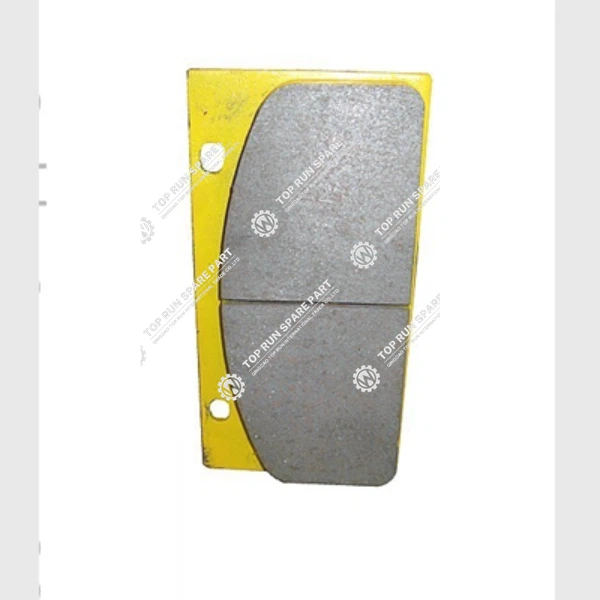
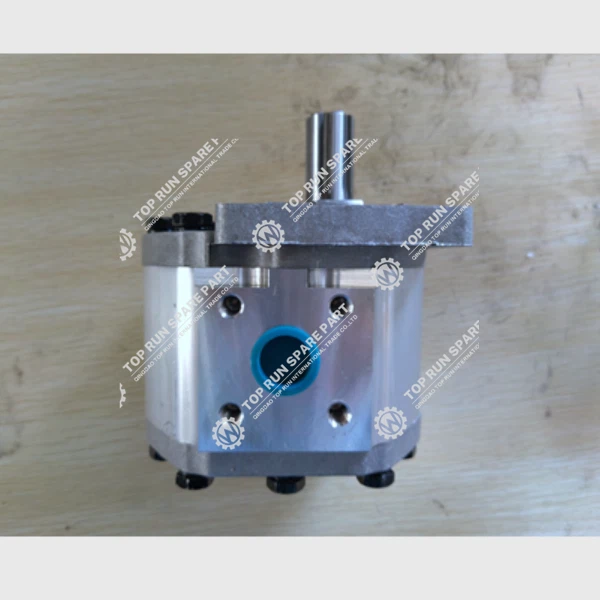
And if you have an XCMG Wheel Loader XC958, the Brake Pad For XCMG Wheel Loader XC958 is essential for safety. Worn - out brake pads can be dangerous, so it's important to replace them regularly.
Conclusion
In conclusion, front - end and back - end wheel loader buckets have significant differences in design, function, maneuverability, attachment, cost, and maintenance. Understanding these differences can help you choose the right bucket for your specific needs. Whether you're in construction, mining, landscaping, or any other industry that uses wheel loaders, having the right bucket can make a big difference in your productivity and efficiency.
If you're in the market for a wheel loader bucket or any of the related spare parts, don't hesitate to reach out. We're here to help you find the best solution for your wheel loader. Whether you need a large front - end bucket for heavy - duty work or a small back - end bucket for precision tasks, we've got you covered. Let's start a conversation and figure out the perfect fit for your equipment.
References
- Wheel Loader Handbook: A Comprehensive Guide to Wheel Loader Operations and Maintenance
- Construction Equipment Magazine: Articles on Wheel Loader Attachments and Their Applications
- Manufacturer's Manuals for Various Wheel Loader Models
Categories
QR Code


