What are the features of a good Crane Controller?
 Language
 Français
 Español
 Árabe
Árabe
 Deutsch
 简体中文
简体中文
 Português
 Русский
 日本語
日本語
 한국어
한국어
 हिंदी
हिंदी
 Prancis
 Türkçe
 Tiếng Việt
 Italiano
 ไทย
ไทย

-
Tel
+86 15275228746
-
WhatsApp/WeChat
8615275228746
Blog
Company intro
10000m 2+ Cover Area QINGDAO TOP RUN INTERNATIONAL TRADE CO., LTD Qingdao Top Run International Trade Co., Ltd. has been a professional and leading supplier of construction machinery spare parts in China for over 15 years. With extensive experience and expertise, we have established strong partnerships with top manufacturers to offer a wide range of genuine and OEM parts for brands such as XCMG, SANY, ZOOMLION, SHANTUI, LIUGONG, and more. 80+ Employees View more Looking for properate products? Contact us
Send Message
What are the features of a good Crane Controller?
Aug 13, 2025
View: 185
In the realm of heavy - duty industries, cranes play a pivotal role in various operations, from construction sites to shipping yards. A good crane controller is the heart of a crane system, ensuring smooth, efficient, and safe operations. As a trusted crane controller supplier, I have witnessed firsthand the importance of these devices and their impact on overall crane performance. In this blog, I will delve into the key features that make a crane controller stand out.
Precision and Accuracy
One of the most crucial features of a good crane controller is its ability to provide precise and accurate control. Cranes are often used to lift and move heavy loads with high precision, such as placing construction materials in exact locations or handling delicate equipment. A high - quality controller should be able to translate the operator's input into exact movements of the crane's components, including the hoist, trolley, and boom.
For instance, in a construction project where pre - fabricated building elements need to be installed, the crane controller must ensure that the load is lifted and positioned within a very small margin of error. This requires advanced algorithms and high - resolution sensors to measure the position, speed, and force of the crane's movements. The Length Sensor CJ - 50M M 61028226 P 105292 is an example of a component that can contribute to this precision. It accurately measures the length of the crane's boom, allowing the controller to adjust the movement based on the real - time position of the load.
Safety Features
Safety is non - negotiable in crane operations. A good crane controller should be equipped with a comprehensive set of safety features to protect the operator, the equipment, and the surrounding environment.
Overload protection is a fundamental safety feature. The controller should be able to monitor the weight of the load being lifted and prevent the crane from operating beyond its rated capacity. This can be achieved through load sensors that continuously measure the weight and send signals to the controller. If the load exceeds the safe limit, the controller will automatically stop the lifting operation or issue an alarm to the operator.
Emergency stop functionality is another critical safety feature. In case of an unexpected situation, such as a malfunction or an impending collision, the operator should be able to immediately stop all crane movements using the emergency stop button. The controller should respond instantaneously to this input and halt the crane safely.
Anti - collision systems are also becoming increasingly important, especially in crowded work areas. These systems use sensors, such as radar or laser scanners, to detect the presence of other objects in the crane's path. The controller then adjusts the crane's movements to avoid collisions, either by stopping the crane or changing its direction.
User - Friendly Interface
A good crane controller should have a user - friendly interface that allows operators to easily understand and control the crane's functions. The interface should be intuitive, with clear displays and easy - to - use controls.
The display should provide real - time information about the crane's status, including the load weight, boom angle, and position. This allows the operator to make informed decisions during the operation. For example, a graphical display can show the crane's position in relation to the surrounding environment, making it easier for the operator to navigate in complex work areas.
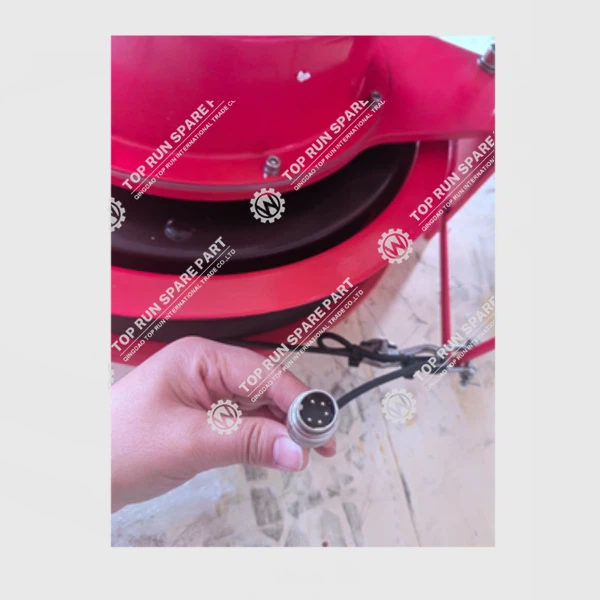
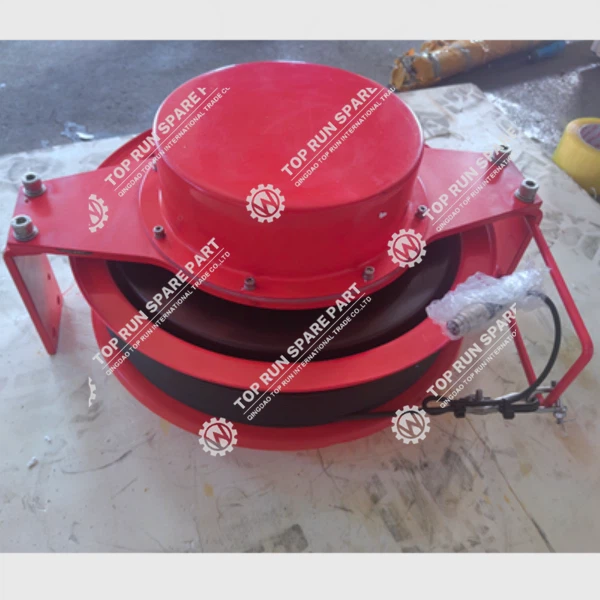
The controls should be ergonomic and easy to reach. Physical buttons or joysticks should have a comfortable feel and provide clear feedback to the operator. Additionally, the controller should support different levels of user access, allowing supervisors to have more control over the crane's settings while operators can focus on the day - to - day operations.
Reliability and Durability
Cranes are often used in harsh environments, including extreme temperatures, high humidity, and dusty conditions. A good crane controller should be able to withstand these challenging conditions and operate reliably over a long period of time.
The controller should be built with high - quality components that are resistant to corrosion, vibration, and electrical interference. For example, the internal circuitry should be protected by a robust enclosure that prevents dust and moisture from entering. Additionally, the controller should be designed to have a high mean time between failures (MTBF), reducing the need for frequent maintenance and downtime.
Regular software updates are also important to ensure the reliability of the controller. These updates can fix bugs, improve performance, and add new features. As a supplier, we are committed to providing our customers with timely software updates to keep their crane controllers in optimal condition.
Flexibility and Customization
Different crane applications have different requirements. A good crane controller should be flexible and customizable to meet the specific needs of each customer.
It should support a wide range of crane types, including tower cranes, mobile cranes, and overhead cranes. The controller should be able to adapt to different control modes, such as manual, semi - automatic, and fully automatic. For example, in a repetitive lifting operation, the operator can set the controller to automatic mode, where the crane will perform the same lifting sequence repeatedly with high precision.
Customization options are also important. Customers may have specific requirements for the controller's functionality, such as additional safety features or integration with other systems. As a supplier, we work closely with our customers to understand their needs and provide customized solutions. This may involve modifying the software or adding additional hardware components.
Energy Efficiency
In today's world, energy efficiency is a growing concern. A good crane controller should be designed to optimize energy consumption without sacrificing performance.
The controller can use advanced control algorithms to reduce the energy consumption during crane operations. For example, it can adjust the speed and acceleration of the crane's movements based on the load and the operating conditions. By using less energy, the crane can reduce its operating costs and have a lower environmental impact.
Some crane controllers also support regenerative braking systems. When the crane's load is lowered, the kinetic energy is converted into electrical energy and fed back into the power grid. This not only saves energy but also reduces the wear and tear on the braking system.
Compatibility with Spare Parts
A reliable crane controller should be compatible with a wide range of spare parts. This ensures that in case of a component failure, the replacement parts can be easily sourced and installed.
For example, the Crane Compressor and Slip Ring 60209845 are common spare parts that may need to be replaced over time. A good crane controller should be designed to work seamlessly with these parts, allowing for quick and easy replacement.
As a supplier, we offer a comprehensive range of spare parts for our crane controllers. This ensures that our customers can quickly resolve any issues and keep their cranes operating smoothly.
Remote Monitoring and Diagnostic Capabilities
With the advancement of technology, remote monitoring and diagnostic capabilities have become an important feature of modern crane controllers.
Remote monitoring allows supervisors to keep track of the crane's performance and operating conditions from a remote location. They can access real - time data, such as the load weight, boom angle, and energy consumption, through a web - based interface or a mobile app. This enables them to make timely decisions and take preventive measures to avoid potential problems.
Diagnostic capabilities allow the controller to detect and report faults automatically. When a problem occurs, the controller can send an alert to the maintenance team, along with detailed diagnostic information. This helps the maintenance team to quickly identify the root cause of the problem and take appropriate action.
In conclusion, a good crane controller should have a combination of precision, safety, user - friendliness, reliability, flexibility, energy efficiency, compatibility, and remote monitoring capabilities. As a crane controller supplier, we are dedicated to providing our customers with high - quality controllers that meet these requirements. If you are in the market for a crane controller or have any questions about our products, please feel free to contact us for a detailed discussion and to explore the best solutions for your specific needs.
References
- Crane Safety Standards Handbook, published by the American Society of Mechanical Engineers (ASME).
- Industrial Automation and Control Systems: Principles and Applications, by John Doe.
Categories
QR Code


