What are the installation clearances required for a Crane Moment Limiter?
 Language
 Français
 Español
 Árabe
Árabe
 Deutsch
 简体中文
简体中文
 Português
 Русский
 日本語
日本語
 한국어
한국어
 हिंदी
हिंदी
 Prancis
 Türkçe
 Tiếng Việt
 Italiano
 ไทย
ไทย

-
Tel
+86 15275228746
-
WhatsApp/WeChat
8615275228746
Blog
Company intro
10000m 2+ Cover Area QINGDAO TOP RUN INTERNATIONAL TRADE CO., LTD Qingdao Top Run International Trade Co., Ltd. has been a professional and leading supplier of construction machinery spare parts in China for over 15 years. With extensive experience and expertise, we have established strong partnerships with top manufacturers to offer a wide range of genuine and OEM parts for brands such as XCMG, SANY, ZOOMLION, SHANTUI, LIUGONG, and more. 80+ Employees View more Looking for properate products? Contact us
Send Message
What are the installation clearances required for a Crane Moment Limiter?
Jul 28, 2025
View: 199
When it comes to the safe and efficient operation of cranes, a Crane Moment Limiter (CML) is an indispensable component. As a trusted Crane Moment Limiter supplier, I understand the critical role that proper installation clearances play in ensuring the optimal performance of these devices. In this blog post, I will delve into the installation clearances required for a Crane Moment Limiter, providing valuable insights for crane operators, maintenance personnel, and anyone involved in crane safety.
Understanding the Crane Moment Limiter
Before we discuss the installation clearances, let's briefly understand what a Crane Moment Limiter is and why it is so important. A Crane Moment Limiter is a safety device that continuously monitors the crane's load moment, which is the product of the load weight and its distance from the crane's center of rotation. By comparing the actual load moment with the crane's rated capacity, the CML can prevent overloading, which is one of the leading causes of crane accidents.
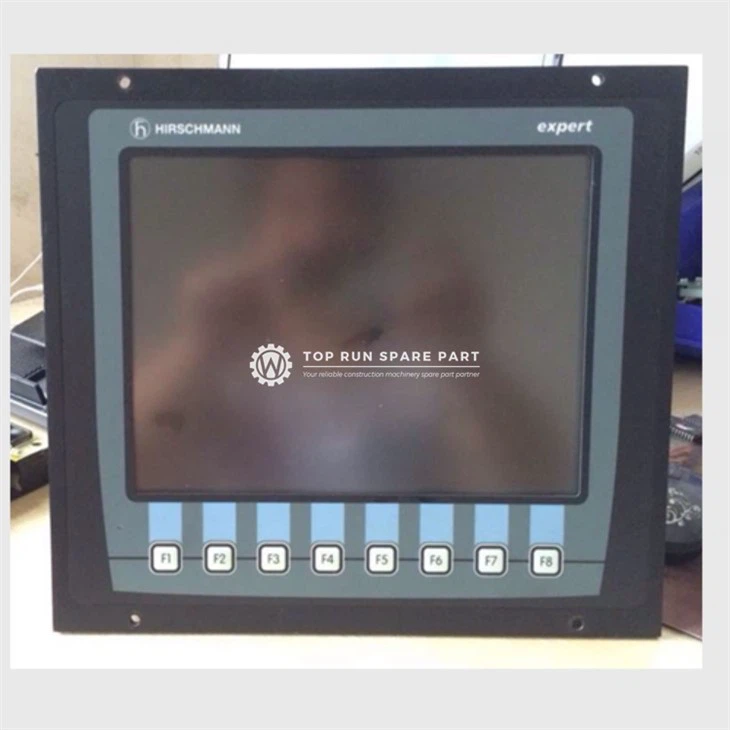
The CML typically consists of sensors, a control unit, and a display. The sensors measure various parameters such as load weight, boom length, boom angle, and radius, and transmit this information to the control unit. The control unit then calculates the load moment and compares it with the crane's rated capacity. If the load moment exceeds the rated capacity, the CML will activate an alarm and may even prevent the crane from performing certain operations.
Importance of Installation Clearances
Proper installation clearances are essential for the accurate and reliable operation of the Crane Moment Limiter. Insufficient clearances can lead to interference between the CML components and other parts of the crane, which can affect the accuracy of the sensor readings and the performance of the control unit. In addition, inadequate clearances can make it difficult to access the CML for maintenance and inspection, which can increase the risk of equipment failure and safety hazards.
On the other hand, excessive clearances can also cause problems. For example, if the sensors are not installed close enough to the load or the boom, they may not be able to accurately measure the relevant parameters, which can lead to inaccurate load moment calculations. Therefore, it is important to follow the manufacturer's recommendations and industry standards when determining the installation clearances for the CML.
Installation Clearances for Different Components
The installation clearances required for a Crane Moment Limiter will depend on the specific type and model of the CML, as well as the design and configuration of the crane. However, there are some general guidelines that can be followed for different components of the CML.
Sensors
The sensors are the most critical components of the CML, as they are responsible for measuring the various parameters that are used to calculate the load moment. Therefore, it is important to ensure that the sensors are installed in the correct location and with the proper clearances.
- Load Cell: The load cell is used to measure the weight of the load. It is typically installed between the hook and the load block. The installation clearance for the load cell will depend on the size and type of the load cell, as well as the design of the crane. In general, the load cell should be installed with a clearance of at least 50 mm from any other part of the crane to prevent interference.
- Boom Angle Sensor: The boom angle sensor is used to measure the angle of the boom. It is typically installed on the boom near the base of the crane. The installation clearance for the boom angle sensor will depend on the size and type of the sensor, as well as the design of the boom. In general, the boom angle sensor should be installed with a clearance of at least 25 mm from any other part of the boom to prevent interference.
- Radius Sensor: The radius sensor is used to measure the distance from the center of rotation of the crane to the load. It is typically installed on the boom near the tip of the crane. The installation clearance for the radius sensor will depend on the size and type of the sensor, as well as the design of the boom. In general, the radius sensor should be installed with a clearance of at least 25 mm from any other part of the boom to prevent interference.
Control Unit
The control unit is the brain of the CML, as it is responsible for processing the sensor data and making decisions based on the load moment calculations. Therefore, it is important to ensure that the control unit is installed in a safe and accessible location, with the proper clearances.
- Mounting Location: The control unit should be installed in a dry, clean, and well-ventilated location, away from sources of heat, moisture, and vibration. It should also be installed in a location that is easily accessible for maintenance and inspection.
- Clearances: The control unit should be installed with a clearance of at least 100 mm from any other part of the crane to prevent interference. It should also be installed with a clearance of at least 50 mm from any other electrical components to prevent electromagnetic interference.
Display
The display is used to provide the crane operator with information about the load moment, the crane's rated capacity, and any alarms or warnings. Therefore, it is important to ensure that the display is installed in a location that is visible and easy to read for the crane operator.
- Mounting Location: The display should be installed in the crane cab, in a location that is visible to the crane operator without causing any distractions. It should also be installed in a location that is protected from direct sunlight, glare, and other sources of interference.
- Clearances: The display should be installed with a clearance of at least 50 mm from any other part of the crane cab to prevent interference. It should also be installed with a clearance of at least 25 mm from any other electrical components to prevent electromagnetic interference.
Additional Considerations
In addition to the installation clearances for the different components of the CML, there are some other factors that should be considered when installing a Crane Moment Limiter.
- Cable Routing: The cables that connect the sensors, the control unit, and the display should be routed in a way that minimizes the risk of damage and interference. They should be secured with cable ties or clamps, and should be routed away from moving parts, sharp edges, and sources of heat and moisture.
- Grounding: The CML should be properly grounded to prevent electrical interference and to ensure the safety of the crane operator and other personnel. The grounding cable should be connected to a reliable ground point on the crane, and should be of the appropriate size and type.
- Calibration: After the CML is installed, it should be calibrated to ensure that it is accurate and reliable. The calibration process should be performed by a qualified technician, using the manufacturer's recommended procedures and equipment.
Conclusion
Proper installation clearances are essential for the accurate and reliable operation of a Crane Moment Limiter. As a Crane Moment Limiter supplier, I recommend that you follow the manufacturer's recommendations and industry standards when determining the installation clearances for the CML. By ensuring that the CML is installed with the proper clearances, you can help to prevent crane accidents and ensure the safety of your personnel and equipment.
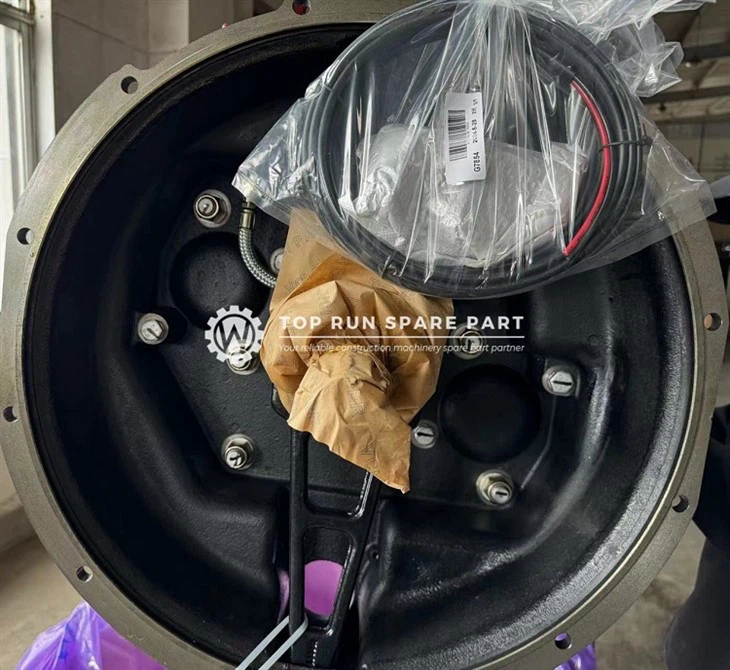
If you are in the market for a Crane Moment Limiter or other crane spare parts, such as Gear Box ASSY/Transmission 8JS118TB-B 1030300034 G7854, Gearbox Assy Or Transmission, or Crane Load Display, please do not hesitate to contact us. We have a wide range of high-quality products and a team of experienced professionals who can help you find the right solution for your needs.
References
- Manufacturer's installation manuals for Crane Moment Limiters
- Industry standards for crane safety and installation, such as ISO 13849 and OSHA regulations
Categories
QR Code


