What are the installation requirements for a Crane Moment Limiter?
 Language
 Français
 Español
 Árabe
Árabe
 Deutsch
 简体中文
简体中文
 Português
 Русский
 日本語
日本語
 한국어
한국어
 हिंदी
हिंदी
 Prancis
 Türkçe
 Tiếng Việt
 Italiano
 ไทย
ไทย

-
Tel
+86 15275228746
-
WhatsApp/WeChat
8615275228746
Blog
Company intro
10000m 2+ Cover Area QINGDAO TOP RUN INTERNATIONAL TRADE CO., LTD Qingdao Top Run International Trade Co., Ltd. has been a professional and leading supplier of construction machinery spare parts in China for over 15 years. With extensive experience and expertise, we have established strong partnerships with top manufacturers to offer a wide range of genuine and OEM parts for brands such as XCMG, SANY, ZOOMLION, SHANTUI, LIUGONG, and more. 80+ Employees View more Looking for properate products? Contact us
Send Message
What are the installation requirements for a Crane Moment Limiter?
Jul 2, 2025
View: 219
Hey there! I'm a supplier of Crane Moment Limiters, and I'm super excited to share with you all the ins and outs of the installation requirements for these crucial devices.
First off, let's talk about what a Crane Moment Limiter actually does. In simple terms, it's a safety device that prevents a crane from operating beyond its safe working limits. It measures the load moment, which is a combination of the weight of the load and its distance from the crane's pivot point. By doing so, it helps to avoid overloading the crane, which can lead to serious accidents, including crane collapses.
1. Site Preparation
Before you even think about installing a Crane Moment Limiter, you need to make sure the site is ready. The crane should be set up on a stable and level surface. Any uneven ground can affect the accuracy of the limiter's readings. You also need to ensure that there's enough space around the crane for safe operation. This means checking for any overhead obstacles, like power lines or buildings, and making sure there's enough room for the crane to swing its load without hitting anything.
Another important aspect of site preparation is ensuring that the power supply is stable. The Crane Moment Limiter needs a reliable power source to function properly. You should check the voltage and frequency of the power supply to make sure they match the requirements of the limiter. If there are any issues with the power supply, it can cause the limiter to malfunction, which is a big no - no.
2. Mounting the Limiter
Once the site is ready, it's time to mount the Crane Moment Limiter. The limiter should be installed in a location where it can easily access all the necessary sensors. These sensors are used to measure various parameters, such as the load weight, the boom angle, and the radius of the load.
The mounting location should also be protected from the elements. Exposure to rain, snow, or extreme temperatures can damage the limiter over time. You might want to consider using a protective housing for the limiter to keep it safe.
When mounting the limiter, make sure it's securely fastened. Loose mounting can cause vibrations, which can affect the accuracy of the readings. You can use high - quality bolts and brackets to ensure a tight fit.
3. Connecting the Sensors
The sensors are the eyes and ears of the Crane Moment Limiter. They provide the limiter with all the data it needs to calculate the load moment. There are several types of sensors that need to be connected, and each one has its own installation requirements.
For example, the load cell, which measures the weight of the load, should be installed at the point where the load is attached to the crane. It needs to be properly calibrated to ensure accurate readings. The boom angle sensor should be mounted on the boom in a way that it can accurately measure the angle of the boom.
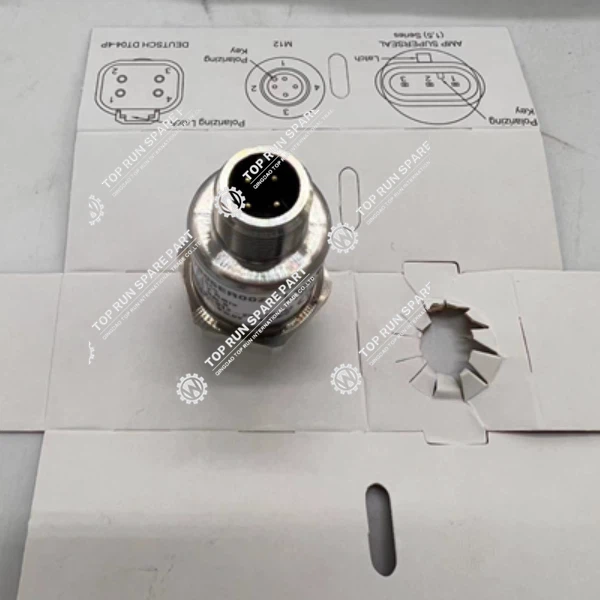
One of the sensors you might need is the Pressure Sensor 3200t0400s05er00/1021403254. This sensor is used to measure the pressure in the hydraulic system of the crane, which is related to the load weight. When installing this sensor, you need to make sure it's properly sealed to prevent any leaks.
4. Wiring and Electrical Connections
Proper wiring is crucial for the Crane Moment Limiter to work correctly. All the sensors need to be connected to the limiter using the right cables. You should use high - quality cables that are suitable for the environment in which the crane operates.
Make sure all the connections are tight and secure. Loose connections can cause intermittent signals, which can lead to inaccurate readings. You also need to label all the cables and connections clearly. This will make it easier to troubleshoot any issues in the future.
When it comes to electrical connections, you need to follow all the safety regulations. This includes using proper grounding techniques to prevent electrical shocks. You should also make sure that the wiring is protected from damage, such as abrasion or cuts.
5. Calibration
After the limiter is installed and all the sensors are connected, it's time to calibrate the system. Calibration is the process of adjusting the limiter so that it provides accurate readings. This involves using known weights and measuring the limiter's response.
You need to follow the manufacturer's instructions for calibration. The calibration process can be a bit tricky, so it's a good idea to have someone with experience do it. Incorrect calibration can lead to false alarms or, even worse, the limiter not detecting an over - load situation.
6. Testing
Once the calibration is done, you need to test the Crane Moment Limiter. This involves simulating different load conditions to make sure the limiter is working as it should. You can start with a light load and gradually increase the weight to the maximum rated capacity of the crane.
During the testing process, you should observe the limiter's display and make sure it's showing the correct load moment readings. You also need to check that the limiter activates the alarm and stops the crane's operation when the load moment exceeds the safe limit.
7. Training
It's not enough to just install and test the Crane Moment Limiter. The crane operators need to be trained on how to use it properly. They should know how to read the limiter's display, understand the alarm signals, and what to do in case of an over - load situation.
Training should also cover the basic maintenance of the limiter. Operators should know how to check for any signs of damage or malfunction and how to perform simple troubleshooting steps.
8. Maintenance
Regular maintenance is essential for the long - term performance of the Crane Moment Limiter. You should follow the manufacturer's recommended maintenance schedule. This might include tasks like cleaning the sensors, checking the wiring for any signs of wear, and lubricating any moving parts.
If you notice any issues with the limiter, such as inaccurate readings or a malfunctioning alarm, you should address them immediately. Ignoring these issues can lead to serious safety problems.
Conclusion
So, there you have it - the installation requirements for a Crane Moment Limiter. It's a complex process that requires careful planning, proper installation, calibration, testing, and maintenance. But when done right, a Crane Moment Limiter can significantly enhance the safety of crane operations.
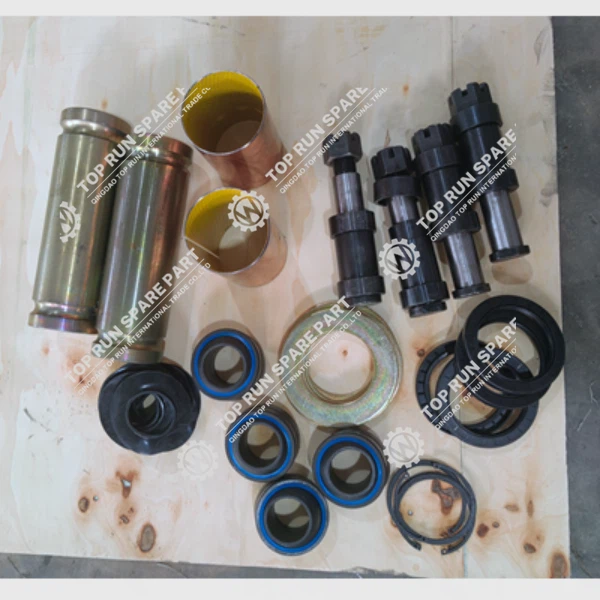
If you're in the market for a high - quality Crane Moment Limiter, look no further! We offer top - notch Crane Moment Limiter that are reliable and easy to install. We also have a range of other crane spare parts, like the Balance Beam Repair Kit Spare Parts, to keep your crane in top condition.
If you have any questions or are interested in purchasing our products, feel free to reach out to us. We're always happy to help you with your crane safety needs.
References
- Crane Safety Manual, Industry Standard Publications
- Manufacturer's Installation Guide for Crane Moment Limiters
- OSHA Guidelines for Crane Operations
Categories
QR Code


