What are the maintenance intervals for a Crane Moment Limiter?
 Language
 Français
 Español
 Árabe
Árabe
 Deutsch
 简体中文
简体中文
 Português
 Русский
 日本語
日本語
 한국어
한국어
 हिंदी
हिंदी
 Prancis
 Türkçe
 Tiếng Việt
 Italiano
 ไทย
ไทย

-
Tel
+86 15275228746
-
WhatsApp/WeChat
8615275228746
Blog
Company intro
10000m 2+ Cover Area QINGDAO TOP RUN INTERNATIONAL TRADE CO., LTD Qingdao Top Run International Trade Co., Ltd. has been a professional and leading supplier of construction machinery spare parts in China for over 15 years. With extensive experience and expertise, we have established strong partnerships with top manufacturers to offer a wide range of genuine and OEM parts for brands such as XCMG, SANY, ZOOMLION, SHANTUI, LIUGONG, and more. 80+ Employees View more Looking for properate products? Contact us
Send Message
What are the maintenance intervals for a Crane Moment Limiter?
Sep 3, 2025
View: 189
Hey there! As a supplier of Crane Moment Limiters, I often get asked about the maintenance intervals for these crucial devices. So, I thought I'd take a moment to break it down for you in this blog post.
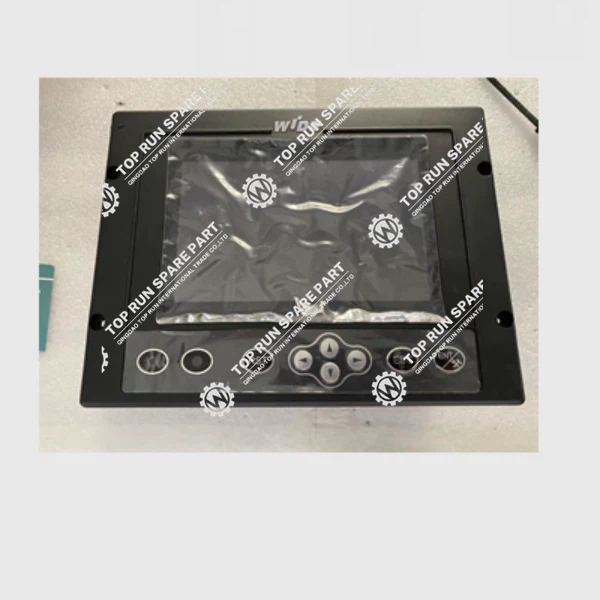
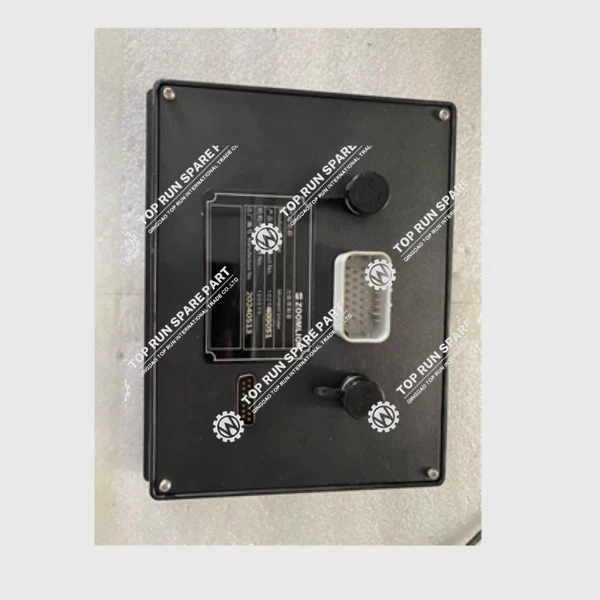
First off, let's talk about what a Crane Moment Limiter actually does. It's a safety device that helps prevent overloading of a crane by monitoring the load moment, which is the product of the load weight and its distance from the crane's pivot point. When the load moment approaches or exceeds the crane's rated capacity, the limiter kicks in to either warn the operator or automatically stop the crane from lifting further.
Now, onto the maintenance intervals. The frequency of maintenance for a Crane Moment Limiter can vary depending on a few factors, such as the type of crane, the operating environment, and the manufacturer's recommendations. However, there are some general guidelines that can help you keep your limiter in top-notch condition.
Daily Checks
- Visual Inspection: Every day before using the crane, give the moment limiter a quick visual once-over. Look for any signs of damage, such as cracks, loose wires, or corrosion. Check that all the connections are secure and that the display is working properly. If you notice anything out of the ordinary, don't operate the crane until you've addressed the issue.
- Function Test: Perform a simple function test of the limiter. This can usually be done by following the manufacturer's instructions, which may involve simulating a load or using a test button. Make sure the limiter alarms and shuts off the crane as expected when the load moment approaches the rated capacity.
Weekly Checks
- Calibration Verification: At least once a week, verify the calibration of the moment limiter. This can be done using a calibrated load cell or by comparing the limiter's readings with known weights. If the readings are off, you may need to recalibrate the limiter. Keep in mind that calibration is a critical step in ensuring the accuracy and reliability of the limiter, so don't skip it.
- Software Updates: Check if there are any software updates available for the moment limiter. Manufacturers often release updates to improve the performance, functionality, or safety of the device. Installing these updates can help keep your limiter up-to-date and running smoothly.
Monthly Checks
- Sensor Inspection: Inspect the sensors that are connected to the moment limiter, such as load sensors, angle sensors, and boom length sensors. Make sure they are clean, free of debris, and functioning properly. Check the wiring and connections for any signs of wear or damage. If you suspect a sensor is malfunctioning, have it tested or replaced as soon as possible.
- Documentation Review: Review the maintenance documentation for the moment limiter, including the user manual, maintenance schedule, and calibration records. Make sure you are following all the recommended procedures and that all the necessary maintenance tasks have been completed. Keeping accurate records can help you track the history of the limiter and identify any potential issues early on.
Quarterly Checks
- Full System Test: Every three months, perform a full system test of the moment limiter. This involves testing all the functions of the limiter under various load conditions to ensure it is working correctly. You may need to enlist the help of a qualified technician to perform this test, especially if your crane is a complex or specialized model.
- Component Replacement: Replace any components that are showing signs of wear or approaching the end of their service life. This may include sensors, relays, fuses, or other parts of the limiter system. Using high-quality replacement parts is essential to maintaining the performance and reliability of the limiter.
Annual Checks
- Professional Inspection: Once a year, have the moment limiter inspected by a professional technician. A qualified technician can perform a more in-depth inspection of the limiter, including testing the electrical and mechanical components, checking the calibration, and verifying the compliance with relevant safety standards. They can also identify any potential issues that may not be apparent during regular maintenance checks.
- Overall Maintenance: In addition to the professional inspection, perform any other necessary maintenance tasks, such as cleaning the limiter, lubricating moving parts, and tightening any loose bolts or nuts. This can help extend the lifespan of the limiter and ensure it continues to operate safely and effectively.
It's important to note that these are just general guidelines, and the actual maintenance intervals for your Crane Moment Limiter may vary depending on your specific circumstances. Always refer to the manufacturer's recommendations and follow any local regulations or industry standards when performing maintenance on your limiter.
Now, let's talk about some of the factors that can affect the maintenance intervals of a Crane Moment Limiter.
Operating Environment
- Harsh Conditions: If your crane operates in a harsh environment, such as a construction site, a mining operation, or a marine environment, the moment limiter may be exposed to more dust, dirt, moisture, and vibrations. This can increase the wear and tear on the device and require more frequent maintenance. In these cases, you may need to perform daily or weekly checks instead of the standard intervals.
- Temperature and Humidity: Extreme temperatures and high humidity can also affect the performance of the moment limiter. For example, if the limiter is exposed to very cold temperatures, the battery may drain more quickly or the electronic components may malfunction. Similarly, high humidity can cause corrosion and damage to the wiring and connections. If your crane operates in an environment with extreme temperature or humidity conditions, you may need to adjust the maintenance intervals accordingly.
Crane Usage
- Heavy Use: If your crane is used frequently or for heavy-duty applications, the moment limiter may experience more stress and wear. This can lead to more frequent breakdowns and require more frequent maintenance. In these cases, you may need to perform more frequent checks and inspections to ensure the limiter is functioning properly.
- Specialized Applications: If your crane is used for specialized applications, such as lifting hazardous materials or performing precision operations, the moment limiter may need to meet higher safety standards and require more rigorous maintenance. Make sure you are aware of any specific requirements or regulations for your application and follow them when performing maintenance on your limiter.
As a supplier of Crane Moment Limiters, I understand the importance of keeping your equipment in good working condition. That's why we offer a wide range of high-quality limiters and spare parts to meet your needs. In addition to the moment limiters, we also supply other crane spare parts, such as Crane Steel Wire Rope, WIDE LMI Load Moment Limiter ASSY 1021500, and Truck Crane Lights.
If you're in the market for a new Crane Moment Limiter or need to replace any parts of your existing limiter, I encourage you to get in touch with us. We have a team of experienced professionals who can help you choose the right limiter for your crane and provide you with the support and service you need to keep it running smoothly. Whether you have questions about maintenance intervals, installation, or calibration, we're here to help.
So, don't hesitate to reach out and start a conversation with us. We're looking forward to working with you and helping you keep your crane safe and productive.
References
- Manufacturer's manuals and documentation for Crane Moment Limiters
- Industry standards and regulations related to crane safety and maintenance
- Professional publications and research on crane technology and safety
Categories
QR Code


