What are the noise levels associated with crane spare parts?
 Language
 Français
 Español
 Árabe
Árabe
 Deutsch
 简体中文
简体中文
 Português
 Русский
 日本語
日本語
 한국어
한국어
 हिंदी
हिंदी
 Prancis
 Türkçe
 Tiếng Việt
 Italiano
 ไทย
ไทย

-
Tel
+86 15275228746
-
WhatsApp/WeChat
8615275228746
Blog
Company intro
10000m 2+ Cover Area QINGDAO TOP RUN INTERNATIONAL TRADE CO., LTD Qingdao Top Run International Trade Co., Ltd. has been a professional and leading supplier of construction machinery spare parts in China for over 15 years. With extensive experience and expertise, we have established strong partnerships with top manufacturers to offer a wide range of genuine and OEM parts for brands such as XCMG, SANY, ZOOMLION, SHANTUI, LIUGONG, and more. 80+ Employees View more Looking for properate products? Contact us
Send Message
What are the noise levels associated with crane spare parts?
Aug 22, 2025
View: 176
Noise levels associated with crane spare parts are a crucial consideration in the operation and maintenance of cranes. As a supplier of crane spare parts, I have witnessed firsthand the impact of noise on both the operators and the surrounding environment. In this blog post, I will delve into the various factors that contribute to noise levels in crane spare parts, explore the potential consequences of excessive noise, and discuss how we can mitigate these issues to ensure a safer and more comfortable working environment.
Understanding the Sources of Noise in Crane Spare Parts
Crane spare parts can generate noise from a variety of sources, each with its own unique characteristics and causes. Some of the most common sources of noise in crane spare parts include:
- Mechanical Components: Moving parts such as gears, bearings, and chains can produce noise due to friction, vibration, and wear. For example, a worn gear can create a clicking or grinding noise as it meshes with other gears, while a loose bearing can cause a rattling sound.
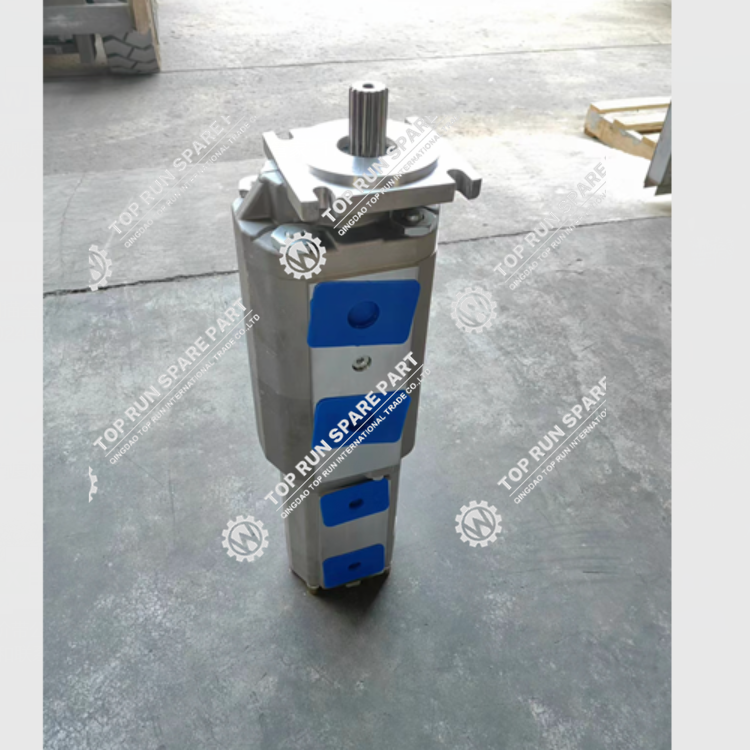
- Hydraulic Systems: Hydraulic pumps, valves, and cylinders can generate noise as they operate. The flow of hydraulic fluid through the system can create pressure fluctuations and turbulence, which can result in a humming or whining noise. Additionally, leaks in the hydraulic system can cause a hissing sound.
- Electrical Components: Electric motors, generators, and control panels can produce noise due to the movement of electrical currents and the operation of electromagnetic fields. This noise can range from a low hum to a high-pitched whine, depending on the type and size of the electrical component.
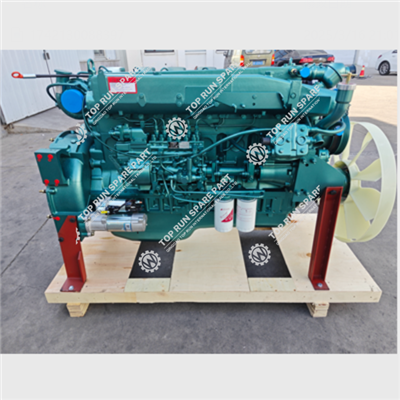
- Exhaust Systems: Engines used in cranes can produce noise through their exhaust systems. The combustion process in the engine creates high-pressure gases that are expelled through the exhaust pipe, resulting in a loud noise. Additionally, the design and condition of the exhaust system can affect the noise level.
The Consequences of Excessive Noise
Excessive noise in crane spare parts can have several negative consequences, both for the operators and the surrounding environment. Some of the potential consequences of excessive noise include:
- Hearing Loss: Prolonged exposure to high levels of noise can cause permanent hearing damage. Crane operators who are exposed to loud noise on a regular basis are at a higher risk of developing hearing loss, which can have a significant impact on their quality of life.
- Stress and Fatigue: Noise can also cause stress and fatigue in crane operators. The constant exposure to loud noise can make it difficult for operators to concentrate, leading to increased errors and accidents. Additionally, stress and fatigue can have a negative impact on the operator's physical and mental health.
- Environmental Impact: Excessive noise from cranes can also have a negative impact on the surrounding environment. Noise pollution can disrupt the natural habitat of wildlife, interfere with communication between animals, and cause annoyance to nearby residents.
Mitigating Noise Levels in Crane Spare Parts
As a supplier of crane spare parts, we are committed to providing our customers with high-quality products that minimize noise levels. Here are some of the ways we can mitigate noise levels in crane spare parts:
- Choose High-Quality Components: Using high-quality crane spare parts can help reduce noise levels. Components that are made from high-quality materials and are precision-engineered are less likely to produce noise due to wear and tear. For example, Wd615.46 Engine For Weichai is designed to operate quietly and efficiently, minimizing noise pollution.
- Proper Installation and Maintenance: Proper installation and maintenance of crane spare parts are essential for reducing noise levels. Components that are installed incorrectly or are not properly maintained can produce excessive noise. Regular maintenance, including lubrication, alignment, and tightening of bolts, can help ensure that the components operate smoothly and quietly.
- Use Noise-Reducing Technologies: There are several noise-reducing technologies available that can be used in crane spare parts. For example, hydraulic pumps can be equipped with noise-reducing valves and dampers to minimize the noise generated by the flow of hydraulic fluid. Additionally, electric motors can be designed with noise-reducing features such as insulated enclosures and vibration dampeners.
- Implement Noise Management Strategies: In addition to using noise-reducing technologies, it is also important to implement noise management strategies in the workplace. This can include providing operators with hearing protection, using noise barriers to reduce the spread of noise, and scheduling crane operations during times when noise levels are less likely to cause disruption.
Conclusion
Noise levels associated with crane spare parts are an important consideration in the operation and maintenance of cranes. Excessive noise can have several negative consequences, both for the operators and the surrounding environment. As a supplier of crane spare parts, we are committed to providing our customers with high-quality products that minimize noise levels. By choosing high-quality components, ensuring proper installation and maintenance, using noise-reducing technologies, and implementing noise management strategies, we can help create a safer and more comfortable working environment for crane operators and reduce the impact of noise pollution on the surrounding environment.
If you are interested in learning more about our crane spare parts or have any questions about noise levels, please feel free to contact us. We would be happy to discuss your needs and provide you with the information and support you need to make an informed decision.
References
Categories
QR Code


