What are the noise reduction measures for a Crane Compressor?
 Language
 Français
 Español
 Árabe
Árabe
 Deutsch
 简体中文
简体中文
 Português
 Русский
 日本語
日本語
 한국어
한국어
 हिंदी
हिंदी
 Prancis
 Türkçe
 Tiếng Việt
 Italiano
 ไทย
ไทย

-
Tel
+86 15275228746
-
WhatsApp/WeChat
8615275228746
Blog
Company intro
10000m 2+ Cover Area QINGDAO TOP RUN INTERNATIONAL TRADE CO., LTD Qingdao Top Run International Trade Co., Ltd. has been a professional and leading supplier of construction machinery spare parts in China for over 15 years. With extensive experience and expertise, we have established strong partnerships with top manufacturers to offer a wide range of genuine and OEM parts for brands such as XCMG, SANY, ZOOMLION, SHANTUI, LIUGONG, and more. 80+ Employees View more Looking for properate products? Contact us
Send Message
What are the noise reduction measures for a Crane Compressor?
Nov 28, 2025
View: 196
Hey there! As a supplier of Crane Compressors, I've been getting a lot of questions lately about noise reduction measures for these machines. Well, you've come to the right place. In this blog, I'm gonna share some effective ways to cut down on the noise that Crane Compressors can make.
First off, let's understand why noise reduction is so important. Excessive noise from a compressor isn't just annoying; it can also pose health risks to the operators and those working nearby. Prolonged exposure to high - decibel noise can lead to hearing loss and other health issues. Moreover, in many workplaces, there are strict regulations regarding noise levels, so keeping the compressor quiet is not just a matter of comfort but also compliance.
1. Isolation and Mounting
One of the first things we can do is to focus on the way the compressor is installed. A good isolation system can significantly reduce the noise transmitted from the compressor to the surrounding environment. We should use vibration - isolating mounts. These mounts are designed to absorb the vibrations produced by the compressor during its operation. When the compressor vibrates, instead of directly transferring those vibrations to the floor or the structure it's placed on, the isolating mounts soak up the energy, which in turn reduces the noise that would otherwise be generated through the vibrations.
For example, if a Crane Compressor is placed on a hard, non - isolated surface, the vibrations can travel through the floor and reverberate throughout the building, making the noise seem louder. But with proper isolation mounts, the vibrations are contained, and the noise is minimized. It's like putting a shock absorber on a car to smooth out the ride and reduce the noise from the bumps.
2. Enclosures
Another great way to reduce noise is by using enclosures. A well - designed enclosure can act as a barrier between the compressor and the outside world. The enclosure should be made of sound - absorbing materials. These materials work by trapping the sound waves inside the enclosure and converting the sound energy into heat energy.
There are different types of enclosures available. Some are custom - built to fit the specific model of the Crane Compressor. These custom enclosures can be more effective as they are designed to cover the compressor completely and are sealed to prevent sound leakage. However, there are also pre - fabricated enclosures that can be a more cost - effective option. When choosing an enclosure, make sure it has proper ventilation. The compressor generates a lot of heat during its operation, and without proper ventilation, the heat can build up inside the enclosure, which can damage the compressor.
3. Maintenance
Regular maintenance is crucial for noise reduction. A well - maintained compressor is likely to be quieter than one that's neglected. For instance, keeping the compressor's components lubricated is essential. If the moving parts of the compressor are not properly lubricated, they can rub against each other, creating friction and noise. So, make sure to follow the manufacturer's recommendations for lubrication intervals.
Also, check for any loose parts. Over time, the constant vibrations of the compressor can cause parts to become loose. These loose parts can rattle and create additional noise. By regularly inspecting and tightening the parts, you can eliminate this source of noise.
4. Intake and Exhaust Silencers
The intake and exhaust systems of the Crane Compressor can be a major source of noise. Installing silencers on these systems can make a big difference. Intake silencers are designed to reduce the noise generated when the compressor draws in air. They work by slowing down the airflow and breaking up the sound waves.
Exhaust silencers, on the other hand, reduce the noise produced when the compressed air is released. They use a series of chambers and baffles to dissipate the energy of the sound waves and reduce the noise level. When choosing silencers, make sure they are the right size and type for your specific compressor model.
5. Spare Parts Quality
Using high - quality spare parts can also contribute to noise reduction. For example, if you need to replace a pump in your Crane Compressor, consider using a Triple Gear Pump. These pumps are designed to operate smoothly and quietly, which can help in reducing the overall noise of the compressor.
Similarly, the Hydraulic Gear Pump 60004298 is a reliable option. High - quality pumps are often more precisely engineered, which means they have less play between the moving parts, resulting in less noise during operation. And if you need to replace the accelerator pedal, the Accelerator Pedal is a great choice to ensure smooth and quiet operation.
6. Regular Inspections
Conducting regular inspections of the Crane Compressor is vital. During these inspections, we can detect any potential issues that might be causing excessive noise. For example, if there is a problem with the compressor's belts, such as a worn - out belt or a misaligned belt, it can cause a screeching noise. By catching these issues early, we can fix them before they become bigger problems and make the noise even worse.
We should also check the air filters. A clogged air filter can restrict the airflow to the compressor, which can cause it to work harder and generate more noise. Replacing or cleaning the air filters regularly can ensure proper airflow and keep the compressor running quietly.
7. Location
The location where the Crane Compressor is placed can also affect the noise level. It's best to place the compressor in a well - ventilated area away from areas where people spend a lot of time. For example, instead of placing it in a busy office area, it should be located in a separate utility room or an outdoor area if possible.
If the compressor has to be placed indoors, try to choose a room with sound - absorbing walls. Rooms with carpeted floors, acoustic ceiling tiles, and padded walls can help reduce the noise as they absorb the sound waves and prevent them from bouncing around the room.
In conclusion, reducing the noise of a Crane Compressor is a multi - faceted approach. By using isolation and mounting techniques, enclosures, proper maintenance, silencers, high - quality spare parts, regular inspections, and choosing the right location, we can significantly cut down on the noise.
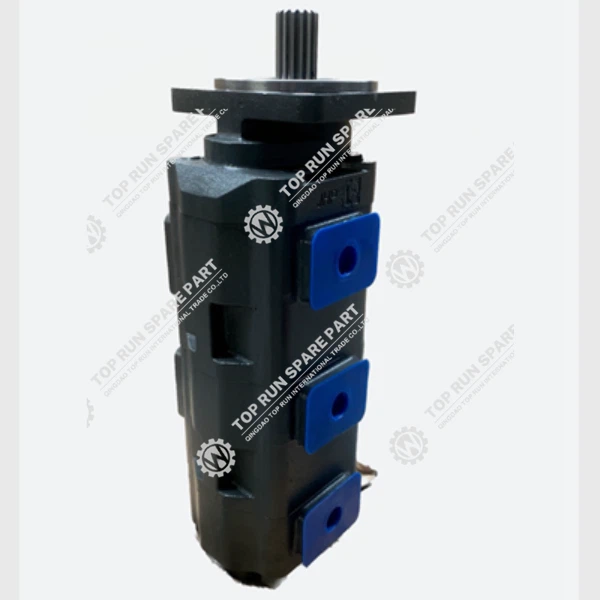
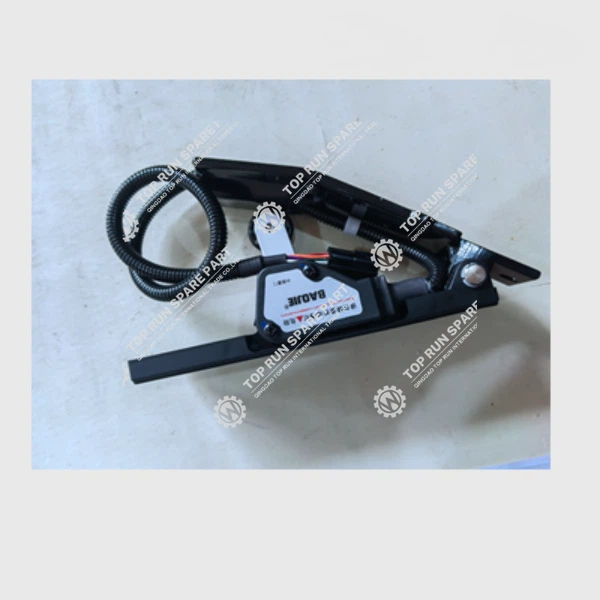
If you're interested in any of the noise reduction measures I've mentioned or if you need high - quality spare parts for your Crane Compressor, don't hesitate to reach out. We're here to help you make your compressor quieter and more efficient. Whether you need a Triple Gear Pump, a Hydraulic Gear Pump 60004298, or an Accelerator Pedal, we've got you covered. Contact us for a consultation and let's work together to find the best solutions for your compressor needs.
References
- Compressor Noise Reduction Handbook, Industry Press
- Sound and Vibration Control in Industrial Equipment, Academic Publishers Inc.
Categories
QR Code


