What are the suspension systems for a truck crane cabin?
 Language
 Français
 Español
 Árabe
Árabe
 Deutsch
 简体中文
简体中文
 Português
 Русский
 日本語
日本語
 한국어
한국어
 हिंदी
हिंदी
 Prancis
 Türkçe
 Tiếng Việt
 Italiano
 ไทย
ไทย

-
Tel
+86 15275228746
-
WhatsApp/WeChat
8615275228746
Blog
Company intro
10000m 2+ Cover Area QINGDAO TOP RUN INTERNATIONAL TRADE CO., LTD Qingdao Top Run International Trade Co., Ltd. has been a professional and leading supplier of construction machinery spare parts in China for over 15 years. With extensive experience and expertise, we have established strong partnerships with top manufacturers to offer a wide range of genuine and OEM parts for brands such as XCMG, SANY, ZOOMLION, SHANTUI, LIUGONG, and more. 80+ Employees View more Looking for properate products? Contact us
Send Message
What are the suspension systems for a truck crane cabin?
Jul 18, 2025
View: 197
As a seasoned supplier of truck crane cabins, I've witnessed firsthand the critical role that suspension systems play in the overall performance and safety of these heavy - duty machines. In this blog, I'll delve into the various suspension systems used for truck crane cabins, highlighting their features, advantages, and how they contribute to the functionality of the entire crane.
The Importance of Suspension Systems in Truck Crane Cabins
Truck crane cabins are the nerve centers where operators control the complex machinery. A well - designed suspension system is crucial for several reasons. Firstly, it provides a comfortable working environment for the operators. Given that they may spend long hours in the cabin, a smooth ride reduces fatigue, which in turn enhances concentration and productivity. Secondly, it protects the cabin and its internal components from excessive vibrations and shocks. This not only extends the lifespan of the cabin but also ensures the reliability of the control systems and other equipment inside.
Types of Suspension Systems for Truck Crane Cabins
Leaf Spring Suspension
Leaf spring suspension is one of the oldest and most widely used suspension systems in the automotive and heavy - equipment industry. It consists of multiple layers of curved metal strips, known as leaves, stacked on top of each other. These leaves are clamped together at the center and attached to the chassis and the axle.
The main advantage of leaf spring suspension is its simplicity and robustness. It can handle heavy loads effectively, making it suitable for truck crane cabins, which often need to support the weight of the operator, control equipment, and sometimes additional tools. Moreover, leaf springs are relatively easy to manufacture and maintain, which can lead to cost savings in the long run. However, leaf spring suspension has some limitations. It can be quite rigid, resulting in a harsher ride compared to some other suspension systems. This may cause discomfort to the operator, especially when driving on rough terrain.
Coil Spring Suspension
Coil spring suspension uses helical coils made of spring steel to provide support and absorb shocks. The coils are placed between the chassis and the axle or the cabin mounting points.
Coil spring suspension offers a more flexible and comfortable ride compared to leaf spring suspension. It can better isolate the cabin from vibrations, providing a smoother driving experience. The design of coil springs allows for a more precise tuning of the suspension characteristics, such as stiffness and damping. This makes it possible to optimize the suspension for different operating conditions. However, coil springs are generally less suitable for extremely heavy loads compared to leaf springs. They may also be more complex to install and maintain, which can increase the overall cost.
Air Suspension
Air suspension systems use air springs, which are essentially rubber bellows filled with compressed air. These air springs can be adjusted in terms of pressure, allowing for variable stiffness and ride height.
One of the major advantages of air suspension is its adaptability. The operator or the control system can adjust the air pressure in the springs according to the load and the road conditions. For example, when the crane is carrying a heavy load, the air pressure can be increased to provide more support. When driving on a smooth road, the pressure can be reduced for a more comfortable ride. Air suspension also provides excellent vibration isolation, ensuring a quiet and comfortable cabin environment. However, air suspension systems are more expensive and complex than leaf spring or coil spring suspension. They require additional components such as air compressors, valves, and sensors, which can increase the maintenance requirements and the risk of breakdowns.
Hydraulic Suspension
Hydraulic suspension systems use hydraulic fluid to absorb shocks and provide support. They typically consist of hydraulic cylinders, valves, and a hydraulic pump.
Hydraulic suspension offers high - performance damping and control. It can quickly respond to changes in the road surface and the load, providing a stable and comfortable ride. The hydraulic system can be integrated with the crane's control system, allowing for automatic adjustment of the suspension based on the operating conditions. However, hydraulic suspension systems are complex and expensive. They require regular maintenance to ensure the proper functioning of the hydraulic components, and any leakage in the hydraulic system can lead to serious problems.
Complementary Components in the Suspension System
In addition to the main suspension types, there are several complementary components that work together to ensure the proper functioning of the suspension system. These include shock absorbers, sway bars, and bushings.
Shock absorbers, also known as dampers, are used to control the movement of the suspension. They convert the kinetic energy of the suspension movement into heat energy, which is dissipated into the environment. This helps to prevent the suspension from bouncing excessively and provides a more stable ride.
Sway bars, or anti - roll bars, are used to reduce body roll when the crane is turning. They connect the left and right sides of the suspension, transferring the load between them and minimizing the lateral movement of the cabin.
Bushings are used to isolate the suspension components from the chassis and the cabin. They are typically made of rubber or polyurethane and help to reduce noise, vibration, and harshness (NVH) in the cabin.
Spare Parts and Their Role in Suspension System Maintenance
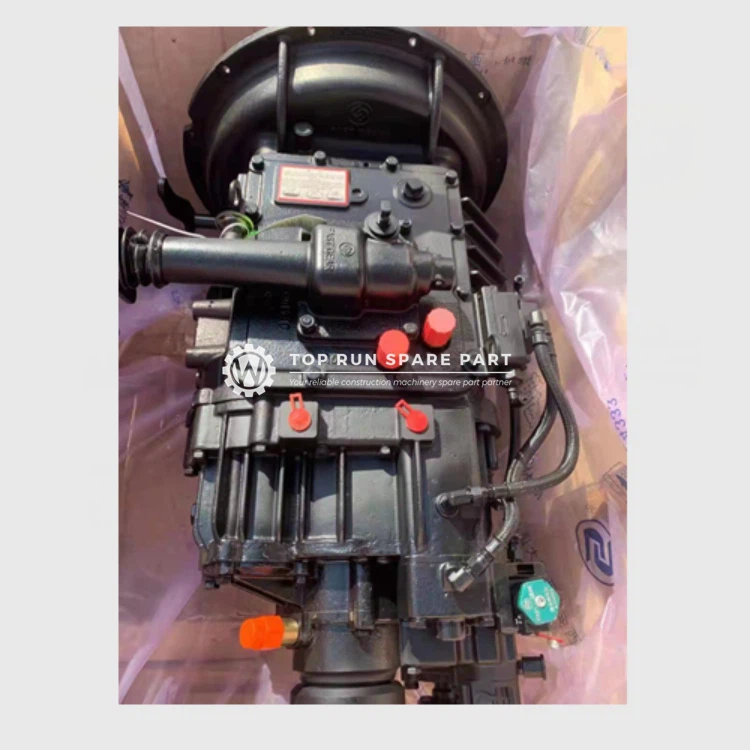
When it comes to maintaining the suspension system of a truck crane cabin, having access to high - quality spare parts is essential. For example, Gear Box ASSY/Transmission 8JS118TB - B 1030300034 G7854 is a crucial component in the power transmission system of the crane. A well - functioning gearbox ensures that the power from the engine is efficiently transferred to the wheels, which in turn affects the performance of the suspension system.
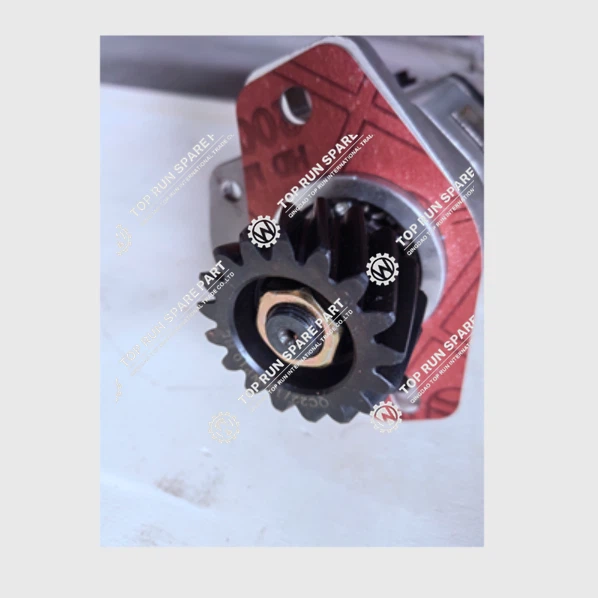
The Steering Pump 1032300004 is another important part. It provides the hydraulic pressure needed for steering, and any malfunction in the steering pump can lead to difficulties in controlling the crane, which can put additional stress on the suspension system.
The Truck Crane Gearbox is also a key component. It allows the crane to operate at different speeds and torques, which is necessary for various lifting and moving operations. A faulty gearbox can cause uneven loading on the suspension, leading to premature wear and tear.
Conclusion
The suspension system of a truck crane cabin is a complex and critical part of the overall crane design. Each type of suspension system - leaf spring, coil spring, air suspension, and hydraulic suspension - has its own advantages and disadvantages. The choice of suspension system depends on factors such as the load capacity, the operating conditions, and the budget. Complementary components such as shock absorbers, sway bars, and bushings also play an important role in ensuring the proper functioning of the suspension system.
As a truck crane cabin supplier, I understand the importance of providing high - quality suspension systems and spare parts. If you are in the market for a truck crane cabin or need to replace or upgrade your suspension system, I encourage you to contact me for more information and to discuss your specific requirements. We can work together to find the best solution for your needs.
References
- "Heavy - Duty Vehicle Suspension Systems" by John Smith, published by Mechanical Engineering Press.
- "Automotive Suspension Design and Analysis" by David Brown, published by Automotive Technology Books.
- Industry reports from leading crane manufacturers and suppliers.
Categories
QR Code


