What control methods are available for an Oil Scavenger Pump?
 Language
 Français
 Español
 Árabe
Árabe
 Deutsch
 简体中文
简体中文
 Português
 Русский
 日本語
日本語
 한국어
한국어
 हिंदी
हिंदी
 Prancis
 Türkçe
 Tiếng Việt
 Italiano
 ไทย
ไทย

-
Tel
+86 15275228746
-
WhatsApp/WeChat
8615275228746
Blog
Company intro
10000m 2+ Cover Area QINGDAO TOP RUN INTERNATIONAL TRADE CO., LTD Qingdao Top Run International Trade Co., Ltd. has been a professional and leading supplier of construction machinery spare parts in China for over 15 years. With extensive experience and expertise, we have established strong partnerships with top manufacturers to offer a wide range of genuine and OEM parts for brands such as XCMG, SANY, ZOOMLION, SHANTUI, LIUGONG, and more. 80+ Employees View more Looking for properate products? Contact us
Send Message
What control methods are available for an Oil Scavenger Pump?
Jan 14, 2026
View: 241
Hey there! I'm a supplier of Oil Scavenger Pumps, and today I'm gonna chat about the different control methods available for these pumps.
First off, let's understand what an Oil Scavenger Pump does. It's a crucial part in many systems, especially in industrial machinery and automotive engines. Its main job is to remove excess oil from various parts of the system, like sumps or gearboxes, and return it to the main oil reservoir. This helps in maintaining the right oil level, cooling the components, and preventing oil leakage and other issues. If you're interested in getting an Oil Scavenger Pump, you can check out Oil Scavenger Pump.
Now, let's dig into the control methods.
Manual Control
Manual control is the most basic way to operate an Oil Scavenger Pump. It's like when you turn on a light switch at home. In this method, an operator physically starts and stops the pump using a control panel or a switch. This is simple and straightforward, but it has its drawbacks.
For one, it requires constant attention from the operator. If the operator forgets to start the pump at the right time, it could lead to oil buildup in the system, which might cause damage to the components. Also, manual control can't really adjust the pump's speed or flow rate based on the actual needs of the system. It's either full - on or full - off. But in some small - scale applications where the oil scavenging requirements are relatively stable, manual control can still be a cost - effective option.
Pressure - Based Control
Pressure - based control is a more advanced method. The pump is connected to a pressure sensor, which monitors the oil pressure in the system. When the pressure reaches a certain set point, the pump automatically starts or stops.
Let's say there's too much oil in the sump, and the pressure builds up. The pressure sensor detects this increase and sends a signal to the pump to start. As the pump removes the excess oil, the pressure starts to drop. Once it reaches the lower set point, the pump stops. This method ensures that the oil pressure in the system remains within a safe and optimal range.
It's great for systems where the oil flow and pressure can vary a lot. For instance, in a high - performance engine, the oil pressure changes depending on the engine speed and load. Pressure - based control allows the Oil Scavenger Pump to adjust its operation accordingly, providing a more efficient and reliable oil scavenging process.
Flow - Based Control
Flow - based control is another effective way to manage an Oil Scavenger Pump. Here, the pump's operation is based on the flow rate of the oil. A flow sensor is installed in the system to measure how much oil is flowing through it.
If the flow rate is too low, it could mean that there's a blockage in the system or the pump isn't working properly. The control system will then adjust the pump's speed or start the pump if it's off to increase the flow. On the other hand, if the flow rate is too high, the pump can be slowed down or stopped.
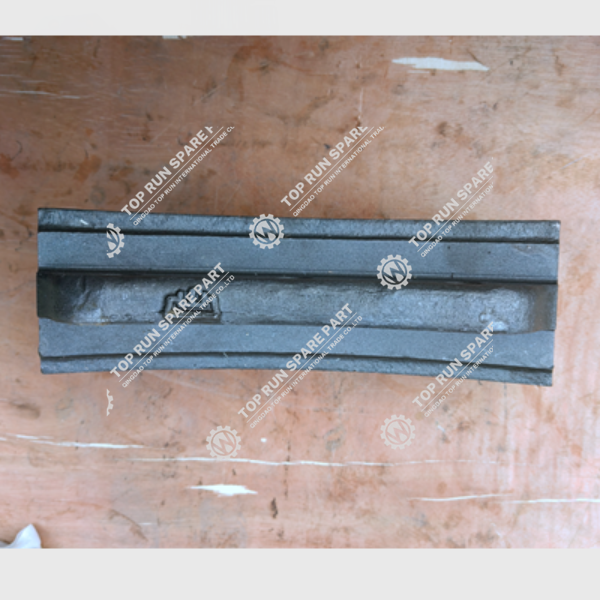
This control method is very useful in applications where a specific oil flow rate is required for proper system operation. For example, in a lubrication system of a large industrial machine, a consistent oil flow is necessary to ensure smooth operation of the moving parts. 154 - 27 - 12273 Sprocket Teath and other components in such machines rely on proper oil flow for their performance.
Level - Based Control
Level - based control is all about the oil level in a reservoir or sump. A level sensor is used to detect the amount of oil present.
When the oil level in the sump rises above a certain level, the pump starts to remove the excess oil. Once the level drops to the desired level, the pump stops. This is a common control method in applications like oil sumps in automotive engines or industrial gearboxes.
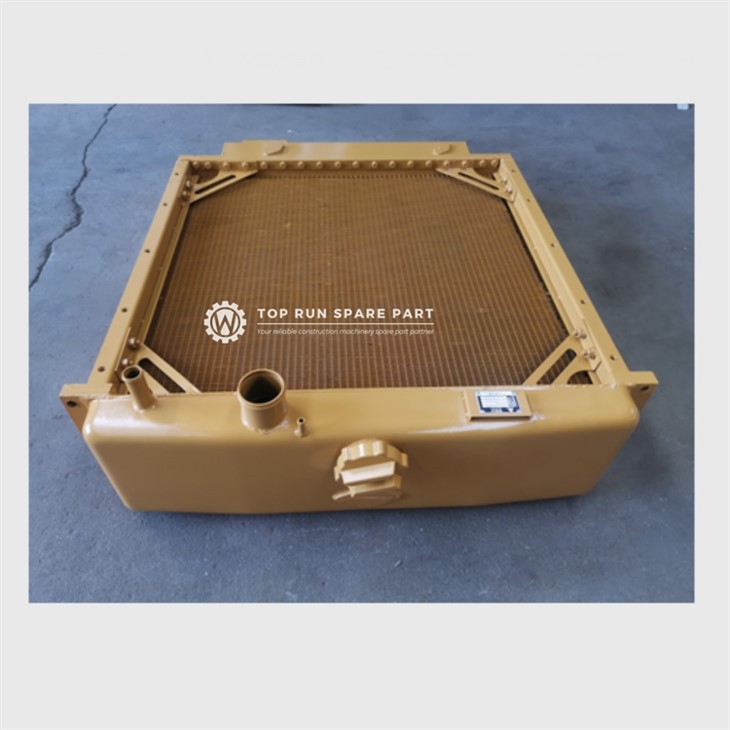
It's simple yet effective in preventing oil overflow and ensuring that there's always enough oil in the system for proper lubrication and cooling. For example, in a bulldozer engine, a proper oil level is essential for the engine to run smoothly. And our Water Tank Radiator for Shantui also depends on the right oil level in the system for efficient cooling.
Electronic Control
Electronic control is the most modern and sophisticated method. It uses microcontrollers and digital sensors to manage the pump's operation. These systems can integrate multiple control parameters, such as pressure, flow, and level, all at the same time.
The electronic control unit can be programmed to adjust the pump's speed, flow rate, and start/stop times based on complex algorithms. It can also communicate with other parts of the system, like the engine control unit in a vehicle or the central control system in an industrial plant.
This provides a high level of precision and flexibility in controlling the Oil Scavenger Pump. It can adapt to different operating conditions quickly and optimize the pump's performance for maximum efficiency.
If you're in the market for an Oil Scavenger Pump and want to take advantage of these advanced control methods, we're here to help. We offer a wide range of pumps with different control options to suit your specific needs. Whether you're a small workshop or a large industrial enterprise, we can provide the right solution for you. If you're interested in discussing your requirements further, just reach out - we're keen to talk and find the best fit for you!
References
- "Industrial Pump Handbook" – A great resource for understanding different pump control methods and their applications in various industries.
- "Automotive Engine Design and Maintenance" – This book provides insights into the role of Oil Scavenger Pumps in automotive engines and the importance of proper control.
Categories
QR Code


