What is the cooling method of a Crane Compressor?
 Language
 Français
 Español
 Árabe
Árabe
 Deutsch
 简体中文
简体中文
 Português
 Русский
 日本語
日本語
 한국어
한국어
 हिंदी
हिंदी
 Prancis
 Türkçe
 Tiếng Việt
 Italiano
 ไทย
ไทย

-
Tel
+86 15275228746
-
WhatsApp/WeChat
8615275228746
Blog
Company intro
10000m 2+ Cover Area QINGDAO TOP RUN INTERNATIONAL TRADE CO., LTD Qingdao Top Run International Trade Co., Ltd. has been a professional and leading supplier of construction machinery spare parts in China for over 15 years. With extensive experience and expertise, we have established strong partnerships with top manufacturers to offer a wide range of genuine and OEM parts for brands such as XCMG, SANY, ZOOMLION, SHANTUI, LIUGONG, and more. 80+ Employees View more Looking for properate products? Contact us
Send Message
What is the cooling method of a Crane Compressor?
Dec 4, 2025
View: 230
As a trusted supplier of Crane Compressors, I am often asked about the cooling methods employed in these powerful machines. Understanding the cooling mechanism is crucial for ensuring the efficient and reliable operation of a crane compressor. In this blog post, I will delve into the various cooling methods used in crane compressors, their advantages, and how they contribute to the overall performance of the equipment.
Air Cooling
One of the most common cooling methods for crane compressors is air cooling. This method involves using ambient air to dissipate heat generated during the compression process. Air-cooled compressors typically have a series of fins on the compressor housing, which increase the surface area available for heat transfer. As the compressor operates, a fan blows air over these fins, carrying away the heat and keeping the compressor at a safe operating temperature.
The primary advantage of air cooling is its simplicity and cost-effectiveness. Air-cooled compressors do not require a separate cooling system, such as a water cooling tower or a chiller, which reduces the initial investment and ongoing maintenance costs. Additionally, air cooling is well-suited for applications where water is scarce or difficult to obtain, such as in remote construction sites or desert environments.
However, air cooling also has some limitations. The efficiency of air cooling depends on the ambient air temperature and humidity. In hot and humid conditions, the cooling capacity of the air may be reduced, leading to higher compressor temperatures and potentially decreased performance. Furthermore, air-cooled compressors may produce more noise compared to water-cooled compressors due to the operation of the cooling fan.
Water Cooling
Water cooling is another popular method used to cool crane compressors. This method involves circulating water through a heat exchanger, which removes heat from the compressor and transfers it to the water. The heated water is then either cooled in a cooling tower or discharged into a water source, such as a river or a lake.
Water cooling offers several advantages over air cooling. It provides a more efficient and consistent cooling solution, as water has a higher heat capacity than air. This means that water can absorb more heat per unit volume, allowing for better temperature control and improved compressor performance. Water-cooled compressors also tend to operate more quietly than air-cooled compressors, as the cooling process does not rely on a noisy fan.
In addition, water cooling is less affected by ambient air conditions, making it suitable for use in a wide range of environments. It can effectively cool the compressor even in hot and humid climates, ensuring reliable operation and extended equipment lifespan. However, water cooling systems are more complex and expensive to install and maintain compared to air cooling systems. They require a reliable water source, a cooling tower or a chiller, and a network of pipes and pumps to circulate the water.
Oil Cooling
Some crane compressors use oil cooling as a means of dissipating heat. In an oil-cooled compressor, oil is circulated through the compressor housing and around the moving parts, absorbing heat generated during the compression process. The heated oil is then passed through a heat exchanger, where it is cooled by either air or water before being recirculated back into the compressor.
Oil cooling offers several benefits for crane compressors. Oil has excellent lubricating properties, which help to reduce friction and wear on the compressor's moving parts. This not only extends the lifespan of the compressor but also improves its efficiency and performance. Additionally, oil cooling can provide better temperature control compared to air cooling, as the oil can absorb and transfer heat more effectively.
However, oil cooling also has some drawbacks. The oil used in the cooling system needs to be changed regularly to maintain its effectiveness and prevent contamination. This adds to the ongoing maintenance costs of the compressor. Furthermore, oil-cooled compressors may require a larger footprint compared to air-cooled or water-cooled compressors, as they need additional space for the oil reservoir and the heat exchanger.
Hybrid Cooling
In some cases, a hybrid cooling system may be used to combine the advantages of different cooling methods. For example, a crane compressor may use a combination of air cooling and water cooling to achieve optimal cooling performance. In this setup, the compressor is initially cooled by air, and then the heat is further removed by a water cooling system.
Hybrid cooling systems offer the flexibility to adapt to different operating conditions and requirements. They can provide efficient cooling in a variety of environments, while also reducing the overall energy consumption and operating costs. However, hybrid cooling systems are more complex and expensive to install and maintain compared to single cooling methods.
Importance of Proper Cooling
Proper cooling is essential for the reliable and efficient operation of a crane compressor. Overheating can cause a variety of problems, including reduced compressor performance, increased energy consumption, and premature wear and tear on the compressor components. It can also lead to safety issues, such as the risk of fire or explosion.
By using the appropriate cooling method and maintaining the cooling system regularly, you can ensure that your crane compressor operates at its optimal temperature and performance level. This not only extends the lifespan of the compressor but also reduces the likelihood of costly breakdowns and downtime.
Related Spare Parts
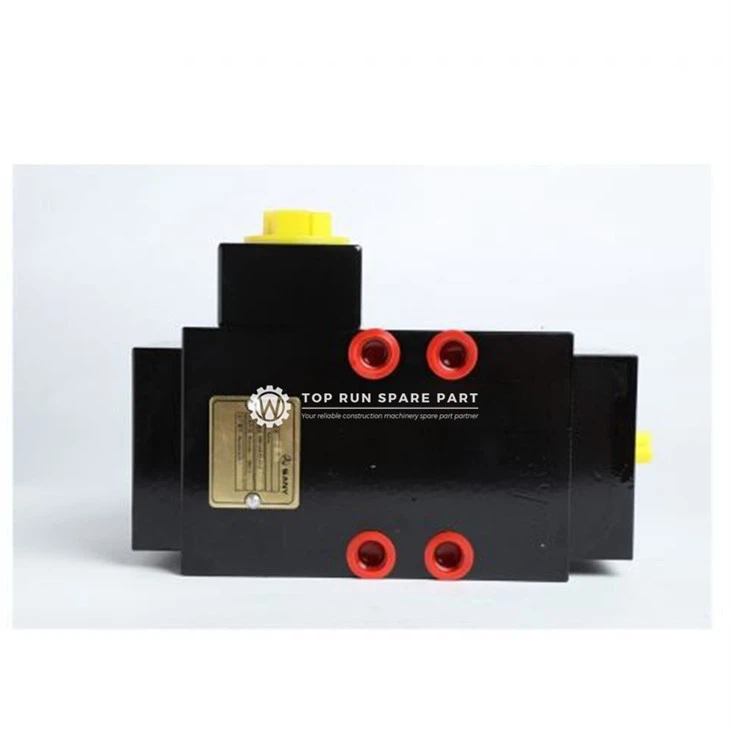
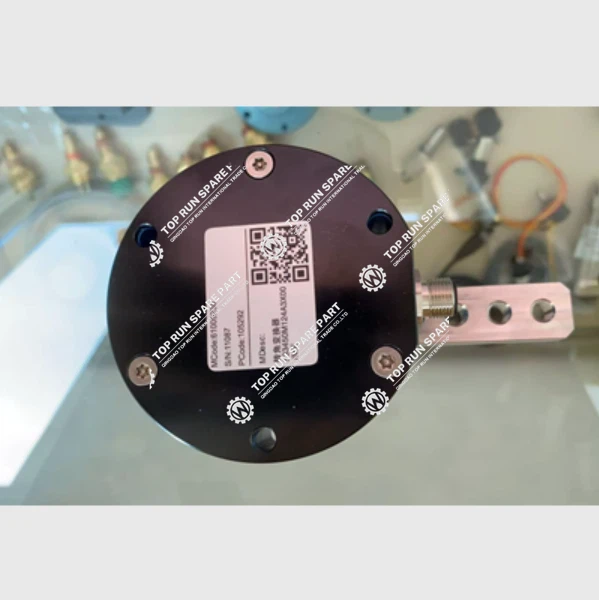
As a supplier of Crane Compressors, we also offer a wide range of spare parts to ensure the smooth operation of your equipment. Some of our popular spare parts include the Hydraulic Gear Pump 60004298, the Balance Valve 60066198, and the ANGLE SENSOR Mobil Elektronik. These spare parts are designed to meet the highest quality standards and are compatible with a variety of crane compressor models.
Conclusion
In conclusion, the cooling method of a crane compressor plays a crucial role in its performance and reliability. Air cooling, water cooling, oil cooling, and hybrid cooling are all viable options, each with its own advantages and limitations. The choice of cooling method depends on various factors, such as the operating environment, the compressor size and capacity, and the available resources.
As a supplier of Crane Compressors, we are committed to providing our customers with high-quality products and comprehensive support. If you have any questions about the cooling method of a crane compressor or need assistance in selecting the right spare parts for your equipment, please do not hesitate to contact us. We are here to help you make the best decision for your specific needs and ensure the long-term success of your operations.
References
- ASHRAE Handbook - Refrigeration. American Society of Heating, Refrigerating and Air-Conditioning Engineers.
- Compressor Handbook. Ingersoll Rand.
- Cooling System Design Guide. Cooling Tower Institute.
Categories
QR Code


