What is the installation process of excavator teeth?
 Language
 Français
 Español
 Árabe
Árabe
 Deutsch
 简体中文
简体中文
 Português
 Русский
 日本語
日本語
 한국어
한국어
 हिंदी
हिंदी
 Prancis
 Türkçe
 Tiếng Việt
 Italiano
 ไทย
ไทย

-
Tel
+86 15275228746
-
WhatsApp/WeChat
8615275228746
Blog
Company intro
10000m 2+ Cover Area QINGDAO TOP RUN INTERNATIONAL TRADE CO., LTD Qingdao Top Run International Trade Co., Ltd. has been a professional and leading supplier of construction machinery spare parts in China for over 15 years. With extensive experience and expertise, we have established strong partnerships with top manufacturers to offer a wide range of genuine and OEM parts for brands such as XCMG, SANY, ZOOMLION, SHANTUI, LIUGONG, and more. 80+ Employees View more Looking for properate products? Contact us
Send Message
What is the installation process of excavator teeth?
Dec 25, 2025
View: 203
Hey there! As a supplier of Excavator Teeth, I often get asked about the installation process of these crucial parts. So, I thought I'd put together this blog post to walk you through it step by step.
First off, let's talk about why excavator teeth are so important. These bad boys are the front - line warriors of an excavator. They dig into all sorts of materials, from soft soil to hard rock. Without properly installed and high - quality teeth, your excavator won't be able to do its job efficiently. And that's where we come in, offering top - notch Excavator Teeth that are built to last.
Pre - installation Checks
Before you even start thinking about installing the excavator teeth, there are a few things you need to do.
1. Inspect the Teeth
Take a good look at the excavator teeth you've got. Check for any signs of damage, like cracks or chips. If you find any, don't use them. Damaged teeth can break off during operation, which is not only a waste of money but can also be dangerous. Make sure the teeth are the right size and shape for your excavator bucket.
2. Examine the Bucket
The bucket is where the teeth will be attached, so it needs to be in good condition too. Look for any wear and tear on the tooth holders. If the holders are too worn, the teeth won't fit properly. Also, clean the bucket thoroughly. Remove any dirt, debris, or old grease from the tooth holders. This will ensure a good fit and prevent corrosion.
3. Gather Tools
You'll need a few tools for the installation. A hammer is a must - have. You'll use it to tap the teeth into place. A wrench might also come in handy, especially if you're dealing with teeth that are secured with bolts. And don't forget safety gear, like gloves and safety glasses.
Installation Steps
1. Position the Tooth
Take the excavator tooth and align it with the tooth holder on the bucket. Make sure it fits snugly. Some teeth have a specific orientation, so pay attention to which way it should go. You might need to wiggle it a bit to get it in the right position.
2. Tap it In
Once the tooth is lined up, use the hammer to gently tap it into the holder. Start with light taps and gradually increase the force if needed. Be careful not to hit it too hard, as you don't want to damage the tooth or the bucket. Keep tapping until the tooth is fully seated in the holder.
3. Secure the Tooth (if applicable)
Some excavator teeth are secured with bolts. If that's the case for your teeth, use the wrench to tighten the bolts. Make sure they're tight, but don't over - tighten them. Over - tightening can cause the bolts to break or damage the tooth and the bucket.
4. Check the Fit
After installing the tooth, give it a little shake to make sure it's firmly in place. It shouldn't wobble or move around. If it does, you might need to adjust it or check if there's something wrong with the holder or the tooth itself.
Post - installation Checks
Once you've installed all the teeth, there are a few more things to do.
1. Test the Excavator
Before you start using the excavator for heavy - duty work, do a quick test run. Make some gentle digging motions to see how the teeth perform. Listen for any strange noises, like rattling or clunking. If you hear anything unusual, stop the excavator and check the teeth again.
2. Monitor the Teeth
Keep an eye on the teeth during the first few hours of operation. Look for any signs of excessive wear or movement. If you notice any problems, address them right away.
Additional Considerations
There are a couple of other things to keep in mind when it comes to excavator teeth installation.
1. Lubrication
Some tooth holders require lubrication. Using the right lubricant can make the installation easier and also prevent corrosion. Check the manufacturer's instructions to see if lubrication is needed and what type of lubricant to use.
2. Replacement Schedule
Excavator teeth wear out over time, so it's important to have a replacement schedule. How often you need to replace the teeth depends on the type of work you're doing. If you're digging in hard rock, you'll need to replace them more often than if you're working in soft soil.
Related Parts
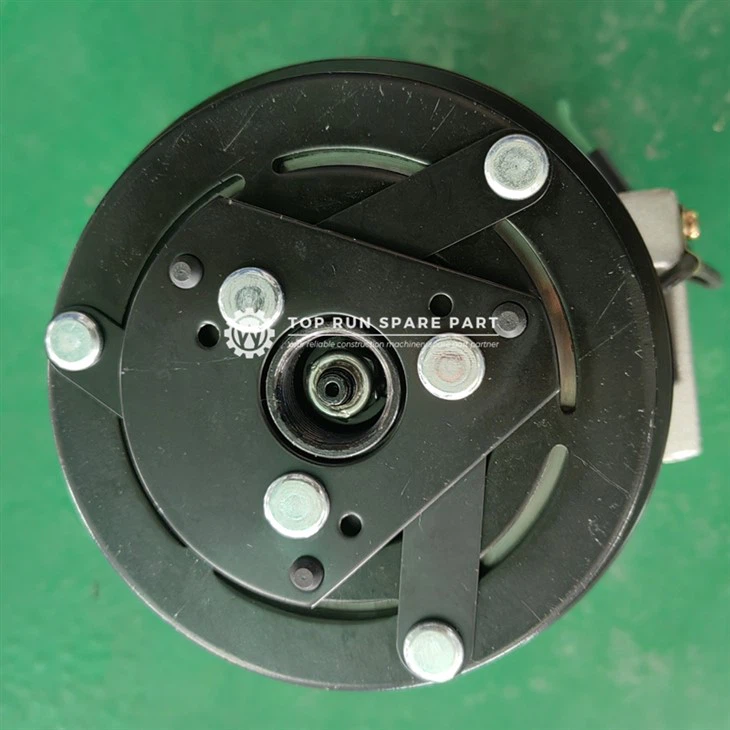
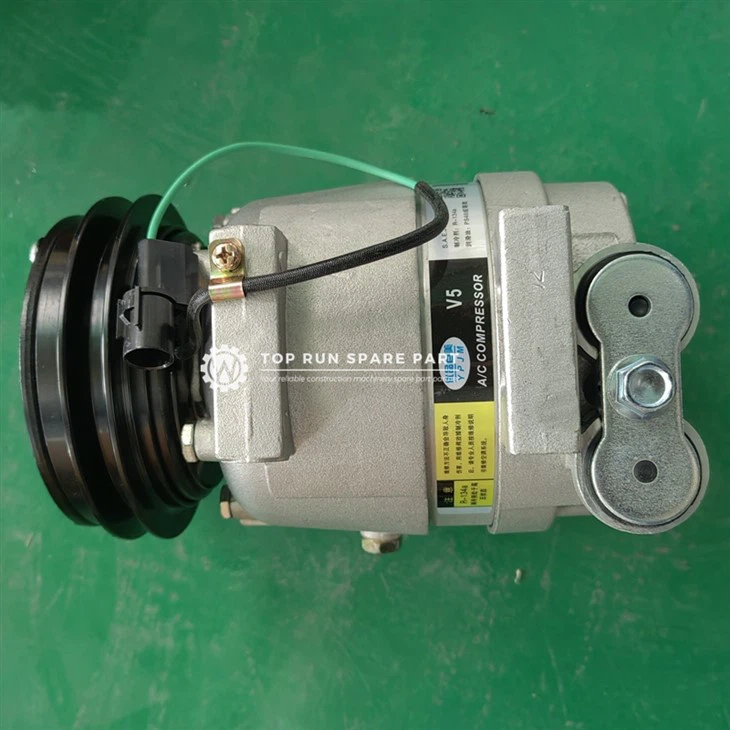
While we're on the topic of excavator parts, it's worth mentioning a couple of other important components. Excavator Filters are essential for keeping the engine clean and running smoothly. They filter out dirt and debris from the air, fuel, and oil. And Excavator Compressor is another key part that helps with various functions, like providing compressed air for hydraulic systems.
Why Choose Our Excavator Teeth
As a supplier, we take pride in offering high - quality excavator teeth. Our teeth are made from durable materials that can withstand tough working conditions. We also have a wide range of sizes and styles to fit different types of excavators. Whether you're working on a small construction project or a large - scale mining operation, we've got the right teeth for you.
If you're in the market for excavator teeth or any other excavator parts, don't hesitate to reach out. We're here to help you find the best products for your needs and ensure a smooth installation process. Whether you have questions about the installation, want to know more about our products, or are ready to place an order, just get in touch. We'll be more than happy to assist you in your procurement process.
References
Manufacturer's manuals for excavator teeth and buckets.
Industry best practices for excavator maintenance and part installation.
Categories
QR Code


