What is the motor power of a typical Crane Compressor?
 Language
 Français
 Español
 Árabe
Árabe
 Deutsch
 简体中文
简体中文
 Português
 Русский
 日本語
日本語
 한국어
한국어
 हिंदी
हिंदी
 Prancis
 Türkçe
 Tiếng Việt
 Italiano
 ไทย
ไทย

-
Tel
+86 15275228746
-
WhatsApp/WeChat
8615275228746
Blog
Company intro
10000m 2+ Cover Area QINGDAO TOP RUN INTERNATIONAL TRADE CO., LTD Qingdao Top Run International Trade Co., Ltd. has been a professional and leading supplier of construction machinery spare parts in China for over 15 years. With extensive experience and expertise, we have established strong partnerships with top manufacturers to offer a wide range of genuine and OEM parts for brands such as XCMG, SANY, ZOOMLION, SHANTUI, LIUGONG, and more. 80+ Employees View more Looking for properate products? Contact us
Send Message
What is the motor power of a typical Crane Compressor?
Oct 13, 2025
View: 199
As a seasoned supplier of Crane Compressors, I've encountered numerous inquiries regarding the motor power of these essential machines. In this blog, I'll delve into the intricacies of determining the motor power of a typical crane compressor, offering insights based on my years of experience in the industry.
Understanding Crane Compressors
Crane compressors are vital components in various industrial applications, particularly in construction and heavy machinery. They are responsible for generating compressed air, which is used to power a wide range of tools and equipment, such as pneumatic drills, jackhammers, and hoists. The efficiency and performance of a crane compressor largely depend on its motor power, which directly influences the amount of compressed air it can produce.
Factors Affecting Motor Power
Several factors come into play when determining the appropriate motor power for a crane compressor. These factors include the compressor's intended use, the required air pressure and volume, and the operating conditions.
Intended Use
The primary application of the crane compressor is a crucial factor in determining its motor power. For instance, compressors used in small-scale construction projects may require less power compared to those used in large industrial facilities. Additionally, compressors used for continuous operation will typically need a more powerful motor to ensure consistent performance.
Required Air Pressure and Volume
The air pressure and volume requirements of the tools and equipment powered by the compressor also play a significant role in determining the motor power. Higher air pressure and volume demands necessitate a more powerful motor to generate the necessary compressed air. It's essential to accurately assess the air requirements of the specific applications to select a compressor with the appropriate motor power.
Operating Conditions
The operating conditions in which the crane compressor will be used can also impact its motor power requirements. Compressors operating in extreme temperatures, high altitudes, or dusty environments may require a more powerful motor to compensate for the reduced efficiency caused by these conditions.
Typical Motor Power Range
The motor power of a typical crane compressor can vary widely depending on the factors mentioned above. In general, small to medium-sized compressors used in light-duty applications may have motor powers ranging from 1 to 5 horsepower (HP). These compressors are suitable for powering tools such as nail guns, staplers, and small pneumatic drills.
Medium to large-sized compressors used in heavy-duty applications, such as construction sites and industrial plants, typically have motor powers ranging from 5 to 30 HP or more. These compressors can generate higher air pressures and volumes, making them suitable for powering larger tools and equipment, such as jackhammers, sandblasters, and large pneumatic hoists.
Selecting the Right Motor Power
Selecting the right motor power for a crane compressor is crucial to ensure optimal performance and efficiency. Here are some steps to help you make an informed decision:
Assess Your Air Requirements
Determine the air pressure and volume requirements of the tools and equipment you'll be using with the compressor. Refer to the manufacturer's specifications for each tool to obtain accurate information.
Consider the Operating Conditions
Take into account the environmental conditions in which the compressor will be used, such as temperature, altitude, and dust levels. This will help you select a compressor with a motor power that can withstand these conditions.
Consult with an Expert
If you're unsure about the appropriate motor power for your specific application, it's advisable to consult with an experienced compressor supplier or technician. They can provide valuable insights and recommendations based on your specific needs.
Our Crane Compressor Offerings
As a leading supplier of Crane Compressors, we offer a wide range of compressors with varying motor powers to meet the diverse needs of our customers. Our compressors are manufactured using high-quality materials and advanced technology to ensure reliable performance and durability.
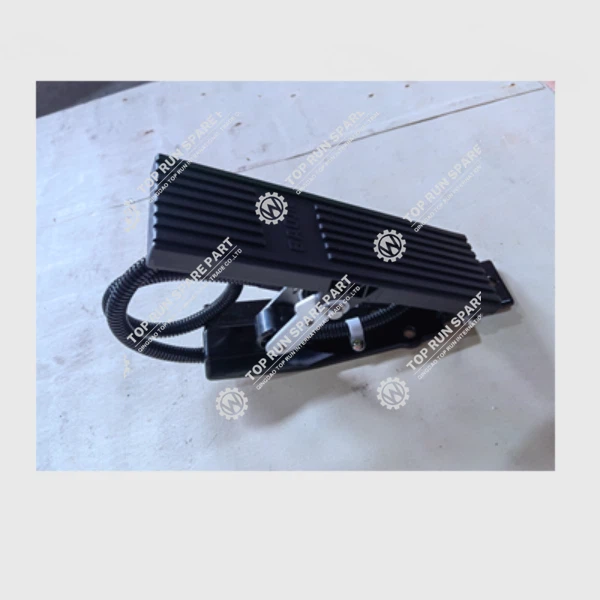
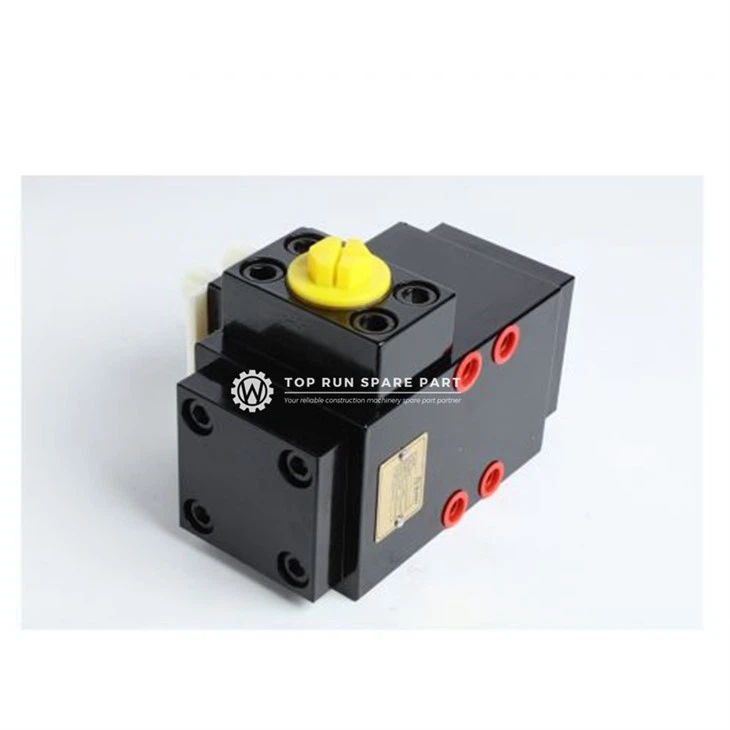
In addition to our standard compressor offerings, we also provide a comprehensive range of spare parts to keep your compressor running smoothly. Some of our popular spare parts include the Balance Valve 60066198, Accelerator Pedal, and 60185393 Gear Motor. These spare parts are designed to fit perfectly with our compressors, ensuring optimal performance and compatibility.
Contact Us for Procurement
If you're in the market for a crane compressor or need to purchase spare parts, we're here to help. Our team of experts can assist you in selecting the right compressor and spare parts for your specific needs. We offer competitive pricing, fast delivery, and excellent customer service to ensure your satisfaction.
To learn more about our Crane Compressor products and services, or to discuss your procurement requirements, please don't hesitate to contact us. We look forward to working with you to meet your compressor needs.
References
- Compressed Air and Gas Institute (CAGI). (n.d.). Compressor Selection Guide. Retrieved from [CAGI Website]
- ASME. (2019). ASME PTC 9-2019: Performance Test Code on Compressors and Exhausters. American Society of Mechanical Engineers.
Categories
QR Code


