What is the pressure rating of an Oil Scavenger Pump?
 Language
 Français
 Español
 Árabe
Árabe
 Deutsch
 简体中文
简体中文
 Português
 Русский
 日本語
日本語
 한국어
한국어
 हिंदी
हिंदी
 Prancis
 Türkçe
 Tiếng Việt
 Italiano
 ไทย
ไทย

-
Tel
+86 15275228746
-
WhatsApp/WeChat
8615275228746
Blog
Company intro
10000m 2+ Cover Area QINGDAO TOP RUN INTERNATIONAL TRADE CO., LTD Qingdao Top Run International Trade Co., Ltd. has been a professional and leading supplier of construction machinery spare parts in China for over 15 years. With extensive experience and expertise, we have established strong partnerships with top manufacturers to offer a wide range of genuine and OEM parts for brands such as XCMG, SANY, ZOOMLION, SHANTUI, LIUGONG, and more. 80+ Employees View more Looking for properate products? Contact us
Send Message
What is the pressure rating of an Oil Scavenger Pump?
Aug 7, 2025
View: 170
Hey there! As a supplier of Oil Scavenger Pumps, I often get asked about the pressure rating of these pumps. So, I thought I'd take a few minutes to break it down for you.
First off, let's talk about what an Oil Scavenger Pump actually does. In simple terms, it's a crucial part of an engine's lubrication system. Its main job is to suck up the oil that has been used in lubricating various engine components and return it to the oil reservoir. This ensures that the oil can be reused and keeps the engine running smoothly.
Now, the pressure rating of an Oil Scavenger Pump is a pretty important factor. It basically tells you how much pressure the pump can handle or generate while doing its job. This rating is usually measured in pounds per square inch (psi) or bars.
The pressure rating of an Oil Scavenger Pump can vary depending on a few different things. One of the main factors is the type of engine it's designed for. For example, pumps used in small, lightweight engines might have a lower pressure rating compared to those used in heavy - duty industrial engines.
In a small automotive engine, an Oil Scavenger Pump might have a pressure rating of around 10 - 30 psi. This is because the engine components in a car are relatively small and don't require a huge amount of force to move the oil around. The pump just needs to be able to create enough pressure to overcome the resistance in the oil lines and get the oil back to the reservoir.
On the other hand, in a large industrial engine, like those found in construction equipment or big generators, the pressure rating can be much higher. It could range from 50 - 100 psi or even more. These engines have larger components and more complex lubrication systems, so the pump needs to generate more pressure to ensure that the oil is properly circulated.
Another factor that affects the pressure rating is the design of the pump itself. There are different types of Oil Scavenger Pumps, such as gear pumps, vane pumps, and centrifugal pumps. Each type has its own characteristics and capabilities when it comes to pressure generation.
Gear pumps are quite common and are known for their ability to provide a consistent flow of oil at a relatively stable pressure. They work by using two meshing gears to trap and move the oil. The pressure rating of a gear - type Oil Scavenger Pump depends on the size of the gears, the clearances between them, and the speed at which they rotate.
Vane pumps, on the other hand, use vanes that slide in and out of slots in a rotor to create the pumping action. They can often handle higher pressures compared to gear pumps, especially in applications where a more precise control of the oil flow is required.
Centrifugal pumps use the centrifugal force generated by a rotating impeller to move the oil. They are typically used in applications where a large volume of oil needs to be moved quickly, but they might not be as good at generating high pressures as gear or vane pumps.
When choosing an Oil Scavenger Pump for a particular application, it's essential to consider the pressure rating carefully. If the pressure rating is too low, the pump might not be able to move the oil effectively, which could lead to poor lubrication and potential engine damage. On the other hand, if the pressure rating is too high, it could put unnecessary stress on the pump and other components in the lubrication system.
As a supplier, I always make sure to provide detailed information about the pressure ratings of our Oil Scavenger Pumps. We understand that our customers need to make informed decisions based on their specific requirements.
Now, let's talk a bit about how the pressure rating relates to other parts of the engine system. For example, in a bulldozer, the Oil Scavenger Pump works in conjunction with other components like the Water Tank Radiator for Shantui and the 154 - 27 - 12273 Sprocket Teath. The radiator helps to cool the engine, and the sprocket teeth are part of the track - drive system. If the Oil Scavenger Pump doesn't have the right pressure rating, it can affect the overall performance of these components.
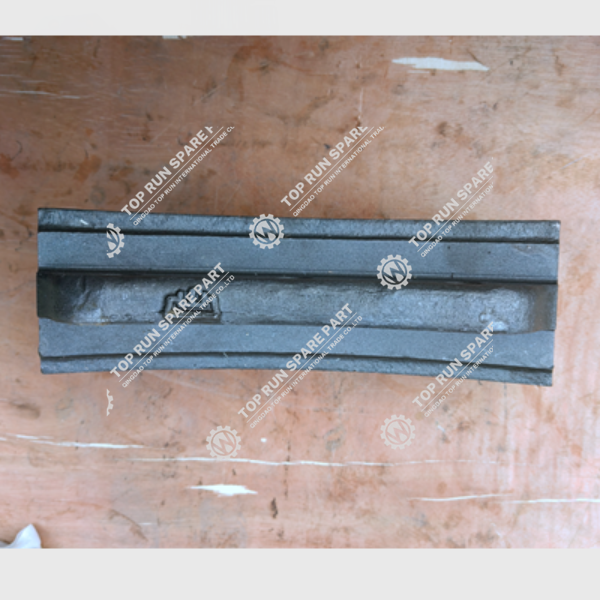
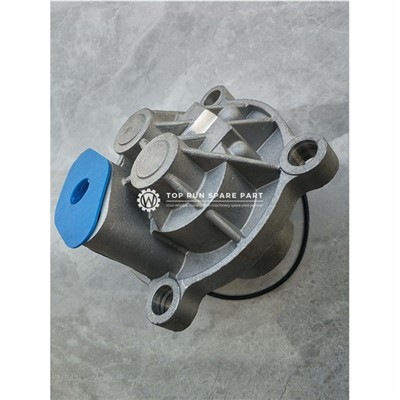
If the oil isn't being circulated properly due to a low - pressure pump, the engine might overheat because the oil can't carry away the heat effectively. And in the case of the sprocket teeth, proper lubrication is essential to reduce wear and tear. A pump with an incorrect pressure rating might not be able to deliver enough oil to these critical parts, leading to premature failure.
So, how do you determine the right pressure rating for your Oil Scavenger Pump? Well, it's a good idea to consult the engine manufacturer's specifications. They usually provide detailed information about the requirements for the lubrication system, including the recommended pressure rating for the pump.
You can also consider the operating conditions of the engine. If the engine is going to be used in a harsh environment, like in a hot climate or under heavy loads, you might need a pump with a higher pressure rating to ensure reliable performance.
In conclusion, the pressure rating of an Oil Scavenger Pump is a key factor that can't be overlooked. It plays a vital role in the proper functioning of an engine's lubrication system and can have a significant impact on the overall performance and longevity of the engine.
If you're in the market for an Oil Scavenger Pump or have any questions about pressure ratings or our products, don't hesitate to reach out. We're here to help you find the perfect pump for your needs. Whether you're working on a small automotive project or a large industrial application, we've got the expertise and the right products to get the job done.
References
- Automotive Engine Lubrication Systems Handbook
- Industrial Engine Design and Maintenance Manual
Categories
QR Code


