What is the role of the clutch in a wheel loader gearbox?
 Language
 Français
 Español
 Árabe
Árabe
 Deutsch
 简体中文
简体中文
 Português
 Русский
 日本語
日本語
 한국어
한국어
 हिंदी
हिंदी
 Prancis
 Türkçe
 Tiếng Việt
 Italiano
 ไทย
ไทย

-
Tel
+86 15275228746
-
WhatsApp/WeChat
8615275228746
Blog
Company intro
10000m 2+ Cover Area QINGDAO TOP RUN INTERNATIONAL TRADE CO., LTD Qingdao Top Run International Trade Co., Ltd. has been a professional and leading supplier of construction machinery spare parts in China for over 15 years. With extensive experience and expertise, we have established strong partnerships with top manufacturers to offer a wide range of genuine and OEM parts for brands such as XCMG, SANY, ZOOMLION, SHANTUI, LIUGONG, and more. 80+ Employees View more Looking for properate products? Contact us
Send Message
What is the role of the clutch in a wheel loader gearbox?
Sep 12, 2025
View: 188
As a seasoned supplier of Wheel Loader Gearboxes, I've witnessed firsthand the intricate dance of components within these powerful machines. One component that often goes unnoticed but plays a pivotal role is the clutch. In this blog, we'll delve into the role of the clutch in a wheel loader gearbox, exploring its functions, types, and importance in the overall operation of the machine.
Understanding the Basics of a Wheel Loader Gearbox
Before we dive into the role of the clutch, let's briefly understand the function of a wheel loader gearbox. The gearbox is responsible for transmitting power from the engine to the wheels, allowing the wheel loader to move forward or backward at different speeds. It consists of multiple gears that can be engaged or disengaged to achieve the desired speed and torque.
The engine, such as the Engine WP6G125E22 800105104, generates power, which is then transferred to the gearbox. The gearbox uses a series of gears to change the speed and torque of the power before sending it to the wheels. This is where the clutch comes into play.
The Role of the Clutch in a Wheel Loader Gearbox
The clutch is a mechanical device that connects and disconnects the engine from the gearbox. It allows the operator to smoothly engage or disengage the power flow between the engine and the gearbox, enabling gear changes without causing damage to the gears.
1. Smooth Gear Changes
One of the primary roles of the clutch is to facilitate smooth gear changes. When the operator wants to shift gears, they first depress the clutch pedal. This action disengages the clutch, separating the engine from the gearbox. With the power flow interrupted, the operator can then shift the gears without any resistance. Once the new gear is selected, the operator slowly releases the clutch pedal, gradually re - engaging the clutch and reconnecting the engine to the gearbox. This process ensures a smooth transition between gears, preventing jerks and damage to the gear teeth.
For example, when a wheel loader is moving at a low speed and needs to increase its speed, the operator will use the clutch to shift from a lower gear to a higher gear. Without a properly functioning clutch, this gear change would be rough and could lead to premature wear and tear of the gearbox components.
2. Starting and Stopping
The clutch also plays a crucial role in starting and stopping the wheel loader. When starting the machine, the engine is running, but the wheels are not moving. By gradually releasing the clutch pedal, the power from the engine is gradually transferred to the gearbox and then to the wheels, allowing the wheel loader to start moving smoothly.
Conversely, when the operator wants to stop the wheel loader, they depress the clutch pedal to disengage the engine from the gearbox. This prevents the engine from stalling when the wheels come to a stop.
3. Torque Transmission
The clutch is responsible for transmitting torque from the engine to the gearbox. Torque is the rotational force that causes the wheels to turn. The clutch must be able to handle the torque generated by the engine without slipping. If the clutch slips, it means that not all of the engine's torque is being transferred to the gearbox, resulting in a loss of power and reduced performance of the wheel loader.
Types of Clutches in Wheel Loader Gearboxes
There are several types of clutches used in wheel loader gearboxes, each with its own advantages and disadvantages.
1. Friction Clutches
Friction clutches are the most common type of clutches used in wheel loaders. They work on the principle of friction between two surfaces. When the clutch is engaged, the friction plates are pressed together, transmitting torque from the engine to the gearbox. When the clutch is disengaged, the friction plates are separated, interrupting the power flow.
Friction clutches can be further classified into single - plate and multi - plate clutches. Multi - plate clutches are often used in heavy - duty wheel loaders as they can handle higher torque loads compared to single - plate clutches.
2. Hydraulic Clutches
Hydraulic clutches use hydraulic pressure to engage and disengage the clutch. They offer smoother operation compared to friction clutches as the hydraulic system can provide more precise control over the engagement and disengagement process. Hydraulic clutches are also less prone to wear and tear as there is no direct physical contact between the clutch components during operation.
3. Electromagnetic Clutches
Electromagnetic clutches use an electromagnetic field to engage and disengage the clutch. They are known for their fast response times and can be easily controlled electronically. However, they are more expensive than friction and hydraulic clutches and are typically used in applications where precise control and fast operation are required.
Importance of a Well - Maintained Clutch
A well - maintained clutch is essential for the proper operation of a wheel loader gearbox. Regular maintenance can help prevent clutch failure and extend the lifespan of the gearbox components.
1. Preventing Premature Wear
Regular inspection and adjustment of the clutch can help prevent premature wear of the friction plates. Over time, the friction plates can wear down, leading to reduced clutch performance and eventual failure. By replacing the worn - out friction plates in a timely manner, the clutch can continue to function properly, ensuring smooth gear changes and efficient power transmission.
2. Ensuring Safety
A faulty clutch can pose a safety risk to the operator and those around the wheel loader. If the clutch fails during operation, the wheel loader may lose power suddenly, causing it to stop unexpectedly or even roll backward. Regular maintenance can help identify and address potential clutch problems before they become serious safety hazards.
3. Improving Performance
A well - maintained clutch can improve the overall performance of the wheel loader. It allows for smoother gear changes, which means less stress on the gearbox and other components. This can result in better fuel efficiency, reduced maintenance costs, and increased productivity.
Conclusion
In conclusion, the clutch is a vital component in a wheel loader gearbox. It plays a crucial role in facilitating smooth gear changes, starting and stopping the machine, and transmitting torque from the engine to the gearbox. There are different types of clutches available, each suited to different applications and requirements.
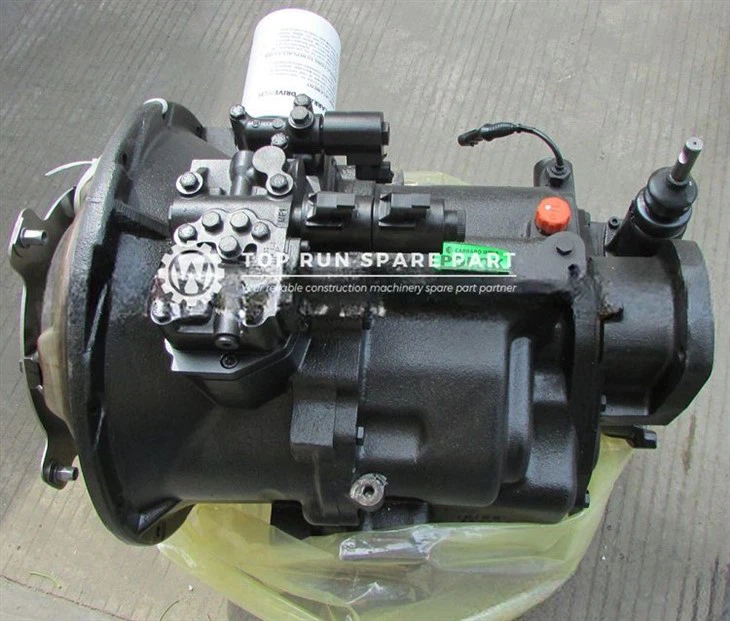
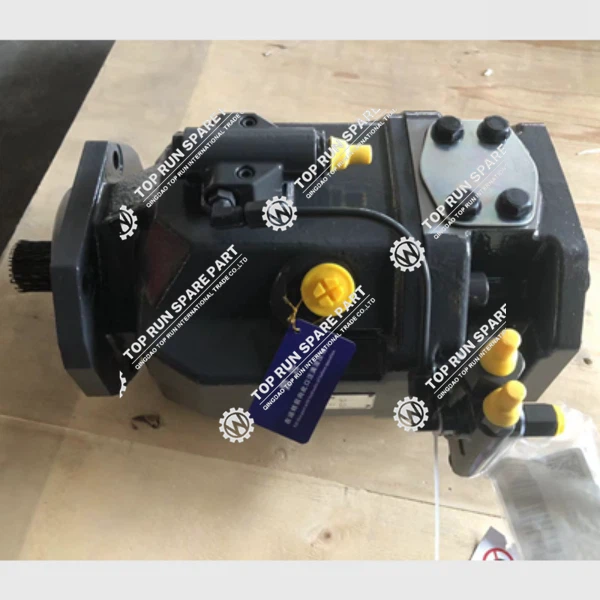
As a Wheel Loader Gearbox supplier, we understand the importance of a high - quality clutch in the performance and reliability of wheel loaders. We offer a wide range of Transmission Or Gearbox Assy 800307394 and related components, including clutches, to ensure that your wheel loader operates at its best. Our 804019433 Plunger Pump is also designed to work in harmony with the gearbox and clutch system to provide optimal performance.
If you're in the market for a reliable wheel loader gearbox or clutch components, we invite you to contact us for more information and to discuss your specific needs. Our team of experts is ready to assist you in finding the right solutions for your wheel loader.
References
- Automotive Handbook, Robert Bosch GmbH
- Principles of Automotive Mechanics, Jack Erjavec
Categories
QR Code


