What is the role of the memory in a Crane Controller?
 Language
 Français
 Español
 Árabe
Árabe
 Deutsch
 简体中文
简体中文
 Português
 Русский
 日本語
日本語
 한국어
한국어
 हिंदी
हिंदी
 Prancis
 Türkçe
 Tiếng Việt
 Italiano
 ไทย
ไทย

-
Tel
+86 15275228746
-
WhatsApp/WeChat
8615275228746
Blog
Company intro
10000m 2+ Cover Area QINGDAO TOP RUN INTERNATIONAL TRADE CO., LTD Qingdao Top Run International Trade Co., Ltd. has been a professional and leading supplier of construction machinery spare parts in China for over 15 years. With extensive experience and expertise, we have established strong partnerships with top manufacturers to offer a wide range of genuine and OEM parts for brands such as XCMG, SANY, ZOOMLION, SHANTUI, LIUGONG, and more. 80+ Employees View more Looking for properate products? Contact us
Send Message
What is the role of the memory in a Crane Controller?
Nov 3, 2025
View: 191
As a supplier of crane controllers, I've witnessed firsthand the critical role that memory plays in these sophisticated systems. Crane controllers are the nerve centers of cranes, responsible for managing and coordinating a wide range of functions, from hoisting and lowering loads to precise positioning. Memory, in this context, serves as the brain's storage unit, enabling the controller to operate efficiently and effectively.
Data Storage and Retrieval
One of the primary functions of memory in a crane controller is data storage. During normal operation, the controller continuously collects and processes a vast amount of data from various sensors and components. This data includes information such as load weight, boom angle, slewing position, and hydraulic pressure. By storing this data in memory, the controller can analyze it in real - time and make informed decisions to ensure safe and optimal crane operation.
For example, when a crane is lifting a heavy load, the controller needs to know the exact weight of the load to determine the appropriate lifting speed and power. The memory stores historical load data, which can be used to predict the crane's performance under similar conditions. This historical data also helps in preventive maintenance. By analyzing trends in sensor data stored in memory, maintenance teams can identify potential issues before they lead to breakdowns.
The memory also allows for quick retrieval of data. In the event of an emergency or a sudden change in operating conditions, the controller can access stored data immediately to adjust the crane's operation. For instance, if the load suddenly shifts, the controller can refer to the stored data on load distribution and make rapid adjustments to maintain stability.
Program Storage
Crane controllers rely on complex software programs to perform their functions. These programs contain algorithms for load management, motion control, and safety protocols. Memory is used to store these programs, ensuring that the controller can execute them accurately and consistently.
The stored programs in memory are like the instructions for the crane's operation. They define how the crane should respond to different input signals from the operator and sensors. For example, a program might specify that when the boom reaches a certain angle, the lifting speed should be reduced to prevent over - tipping. These programs are continuously updated to incorporate new safety standards and performance enhancements. Memory provides a stable storage medium for these programs, protecting them from data loss due to power outages or other disruptions.
The ability to store multiple programs in memory is also beneficial. Different types of crane operations may require different programs. For example, a crane used for construction work might have a different set of programs compared to a crane used in a shipping yard. The memory allows the controller to switch between these programs easily, depending on the specific task at hand.
Error Logging and Diagnostic Information
Memory in a crane controller serves as a repository for error logs and diagnostic information. When an error occurs in the crane's operation, the controller records detailed information about the event, including the time, the specific component involved, and the nature of the error. This information is crucial for troubleshooting and repair.
Maintenance technicians can access the error logs stored in memory to quickly identify the root cause of a problem. For example, if the crane's hydraulic system malfunctions, the error log might indicate that there was a sudden drop in hydraulic pressure at a specific time. This information can help the technician focus on the relevant components, such as the Hydraulic Gear Pump 60004298.
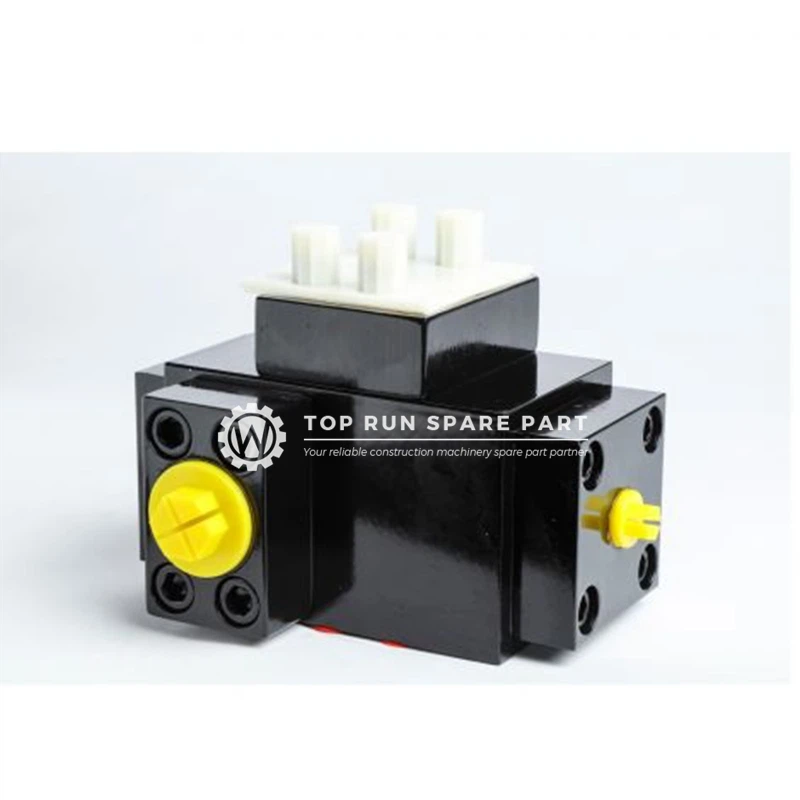
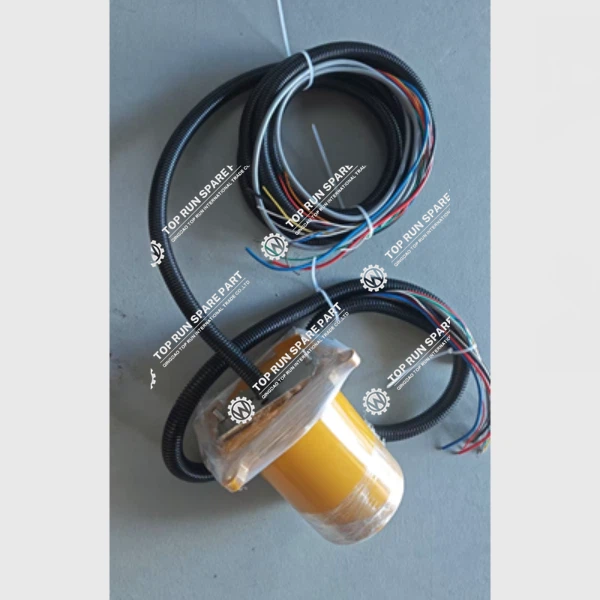
In addition to error logs, the memory also stores diagnostic information about the crane's components. This information can be used for condition monitoring. For example, the controller can track the operating hours and performance metrics of critical components like the Slip Ring 60209845 and the Balance Valve 60066198. By analyzing this diagnostic information, maintenance teams can schedule preventive maintenance, reducing the risk of unexpected failures.
Communication and Connectivity
Modern crane controllers are often part of a larger network, allowing for remote monitoring and control. Memory plays a role in this communication process. It stores information about the crane's network settings, such as IP addresses and communication protocols.
The memory also buffers data that is being sent or received during communication. For example, when the crane controller sends data to a remote monitoring station, the memory stores the data temporarily until it can be transmitted. This buffering ensures that data is not lost during transmission and that the communication process is smooth and reliable.
Moreover, memory is used to store configuration data for communication interfaces. Different types of cranes may have different communication requirements, and the memory stores the settings that allow the controller to communicate effectively with other devices, such as sensors, displays, and remote control units.
Impact on Safety
Safety is of utmost importance in crane operations, and memory in the crane controller plays a vital role in ensuring it. The memory stores safety - critical data and programs. For example, safety limits for load weight, boom angle, and slewing range are stored in memory. The controller continuously compares the current operating parameters with these safety limits. If the limits are exceeded, the controller can immediately take corrective action, such as stopping the crane's operation or issuing an alarm.
The error logs stored in memory also contribute to safety. By analyzing past errors, safety engineers can identify patterns and develop strategies to prevent similar incidents in the future. This proactive approach to safety helps in reducing the risk of accidents and protecting the lives of operators and nearby personnel.
Conclusion
In conclusion, memory is an indispensable component of a crane controller. It enables data storage and retrieval, program storage, error logging, communication, and safety management. Without proper memory, crane controllers would not be able to perform their functions effectively, leading to reduced efficiency, increased maintenance costs, and higher safety risks.
As a supplier of crane controllers, we understand the importance of high - quality memory in our products. We ensure that our controllers are equipped with reliable memory solutions that can withstand the harsh operating conditions of crane environments. Our controllers are designed to provide long - term data storage and fast data access, ensuring optimal performance and safety.
If you are in the market for a reliable crane controller or need to upgrade your existing system, we invite you to contact us for a detailed discussion. Our team of experts is ready to assist you in finding the best solution for your specific requirements.
References
- "Crane Control Systems: Principles and Applications" - A comprehensive guide on crane control technology.
- "Data Storage in Industrial Automation: Best Practices" - A study on data management in industrial control systems.
- "Safety Standards for Crane Operations" - Official safety guidelines for crane operations.
Categories
QR Code


