What is the weight of a Crane Controller?
 Language
 Français
 Español
 Árabe
Árabe
 Deutsch
 简体中文
简体中文
 Português
 Русский
 日本語
日本語
 한국어
한국어
 हिंदी
हिंदी
 Prancis
 Türkçe
 Tiếng Việt
 Italiano
 ไทย
ไทย

-
Tel
+86 15275228746
-
WhatsApp/WeChat
8615275228746
Blog
Company intro
10000m 2+ Cover Area QINGDAO TOP RUN INTERNATIONAL TRADE CO., LTD Qingdao Top Run International Trade Co., Ltd. has been a professional and leading supplier of construction machinery spare parts in China for over 15 years. With extensive experience and expertise, we have established strong partnerships with top manufacturers to offer a wide range of genuine and OEM parts for brands such as XCMG, SANY, ZOOMLION, SHANTUI, LIUGONG, and more. 80+ Employees View more Looking for properate products? Contact us
Send Message
What is the weight of a Crane Controller?
Aug 28, 2025
View: 186
Hey there! As a supplier of Crane Controllers, I often get asked a bunch of questions about these nifty devices. One question that pops up more than you'd think is, "What is the weight of a Crane Controller?" It might seem like a simple query, but there's actually a lot more to it than meets the eye.
First off, let's talk about what a Crane Controller is. If you're not in the know, a Crane Controller is a crucial part of any crane system. It's like the brain of the operation, allowing operators to control the movement, speed, and functions of the crane. You can check out more about Crane Controllers here.
Now, back to the weight. The weight of a Crane Controller can vary widely depending on several factors. One of the biggest factors is the size and complexity of the controller. Just like with any piece of technology, bigger and more feature - packed controllers tend to weigh more.
For example, a basic Crane Controller designed for a small, simple crane might be relatively lightweight. These controllers usually have fewer functions and a more compact design. They could weigh anywhere from a few pounds to maybe 10 or 15 pounds. On the other hand, a high - end, industrial - grade Crane Controller that's used for large, heavy - duty cranes can be much heavier. These controllers are often loaded with advanced features like multiple input channels, sophisticated programming capabilities, and high - end communication interfaces. They can weigh upwards of 20 pounds or even more in some cases.
Another factor that affects the weight is the materials used in the construction of the controller. Some controllers are made with lightweight plastics and aluminum components. These materials are great because they keep the weight down while still providing decent durability. Other controllers, especially those designed for harsh environments, might be made with more robust materials like steel. Steel - encased controllers are heavier, but they offer better protection against impacts, dust, and moisture.
Let's also consider the internal components of the Crane Controller. Things like circuit boards, power supplies, and sensors all contribute to the overall weight. High - quality components that offer better performance and reliability might be a bit heavier than their cheaper counterparts. For instance, a controller with a large - capacity power supply will weigh more than one with a smaller, less powerful one.
Now, you might be wondering why the weight of a Crane Controller matters. Well, there are a few reasons. First of all, if you're installing the controller on a crane, you need to make sure that the crane can handle the additional weight. An overloaded crane can be a safety hazard and can also lead to premature wear and tear on the crane's components.
Secondly, the weight can affect the ease of installation and maintenance. A heavy controller might require more manpower and special equipment to install properly. And when it comes to maintenance, a lighter controller is generally easier to handle and work on.
If you're in the market for a Crane Controller, it's important to consider both the performance and the weight. You don't want to sacrifice functionality for a lighter weight, but at the same time, you don't want to end up with a controller that's too heavy for your crane.
When choosing a Crane Controller, you should also think about the other components that work in conjunction with it. For example, the Accelerator Pedal is an important part of the crane's control system. It allows the operator to control the speed of the crane. The weight and compatibility of the Accelerator Pedal with the Crane Controller are also factors to consider.
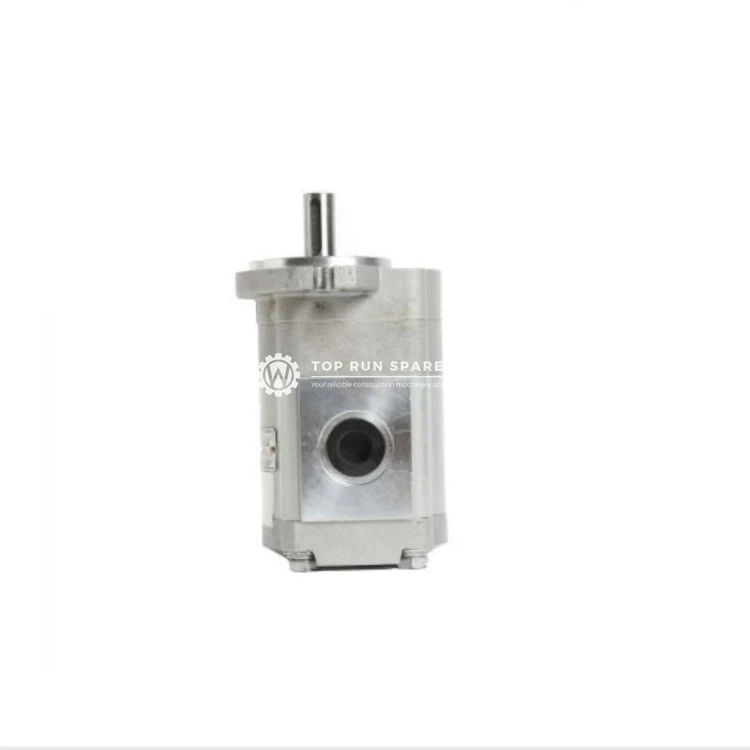
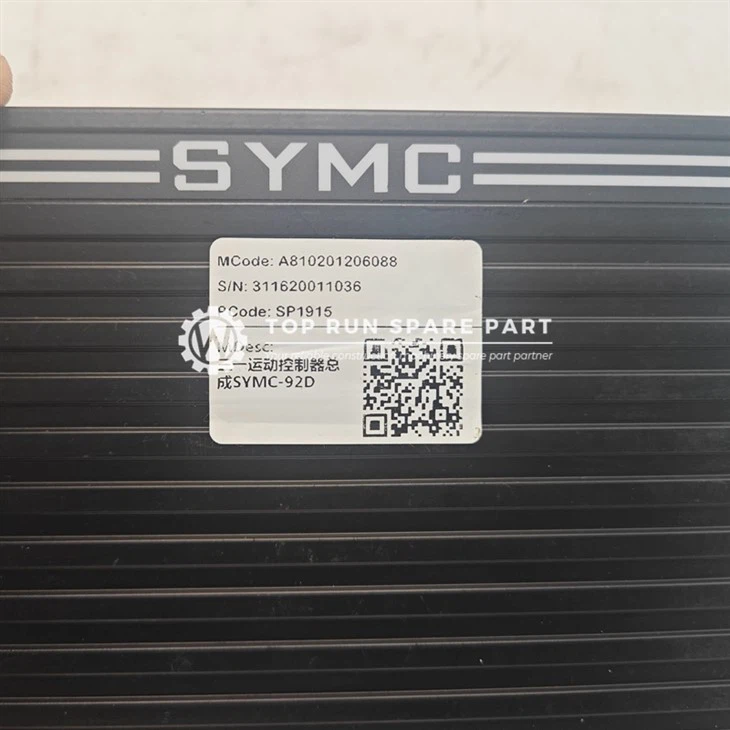
Another related component is the 60185393 Gear Motor. This motor is responsible for providing the power to move the crane. The weight of the gear motor and how it interacts with the Crane Controller can impact the overall performance of the crane.
As a supplier, I've seen firsthand the importance of getting the right Crane Controller for the job. We offer a wide range of Crane Controllers, each with different weights and features to suit various crane applications. Whether you're looking for a lightweight, basic controller for a small crane or a heavy - duty, high - performance one for an industrial crane, we've got you covered.
If you're interested in learning more about our Crane Controllers or if you have any questions about the weight or other specifications, don't hesitate to reach out. We're here to help you make the best choice for your crane system. You can start a conversation with us to discuss your requirements and get a quote. We're always happy to work with customers to find the perfect solution for their needs.
In conclusion, the weight of a Crane Controller is an important factor that can impact the performance, installation, and maintenance of a crane. By understanding the factors that affect the weight and considering your specific requirements, you can choose the right controller for your crane. So, if you're in the market for a Crane Controller, give us a shout and let's work together to find the ideal solution for you.
References
General knowledge of crane technology and components from industry experience.
Categories
QR Code


