What materials are used to make a truck crane cabin?
 Language
 Français
 Español
 Árabe
Árabe
 Deutsch
 简体中文
简体中文
 Português
 Русский
 日本語
日本語
 한국어
한국어
 हिंदी
हिंदी
 Prancis
 Türkçe
 Tiếng Việt
 Italiano
 ไทย
ไทย

-
Tel
+86 15275228746
-
WhatsApp/WeChat
8615275228746
Blog
Company intro
10000m 2+ Cover Area QINGDAO TOP RUN INTERNATIONAL TRADE CO., LTD Qingdao Top Run International Trade Co., Ltd. has been a professional and leading supplier of construction machinery spare parts in China for over 15 years. With extensive experience and expertise, we have established strong partnerships with top manufacturers to offer a wide range of genuine and OEM parts for brands such as XCMG, SANY, ZOOMLION, SHANTUI, LIUGONG, and more. 80+ Employees View more Looking for properate products? Contact us
Send Message
What materials are used to make a truck crane cabin?
Oct 14, 2025
View: 172
When it comes to the construction and functionality of a truck crane, the cabin plays a pivotal role. As a seasoned truck crane cabin supplier, I've had the privilege of delving deep into the materials that go into making these essential components. In this blog, I'll take you through the various materials used in the construction of a truck crane cabin, highlighting their properties and significance.
Steel - The Backbone of the Cabin
Steel is undoubtedly the most fundamental material in the construction of a truck crane cabin. Its high strength - to - weight ratio makes it ideal for withstanding the rigors of heavy - duty use. Structural steel is used to form the frame of the cabin, providing a sturdy and stable base. This frame supports the weight of the cabin itself, as well as the operator and any equipment inside.
The steel used is often treated to enhance its durability. Galvanization, for example, is a common process where a layer of zinc is applied to the steel surface. This protects the steel from corrosion, especially when the crane is operating in harsh environmental conditions such as near the sea or in areas with high humidity.
The thickness of the steel used in different parts of the frame varies according to the load - bearing requirements. Thicker steel is used in areas that are subject to greater stress, such as the corners and the base of the cabin, while thinner but still strong steel can be used in less critical areas.
Glass - Ensuring Visibility
Visibility is crucial for the safe operation of a truck crane. That's why high - quality glass is an essential material for the cabin windows. Laminated glass is commonly used in truck crane cabins. It consists of two or more layers of glass with a layer of polyvinyl butyral (PVB) in between.
This type of glass offers several advantages. First, it is highly resistant to shattering. In the event of an impact, the PVB layer holds the broken glass pieces together, reducing the risk of injury to the operator. Second, laminated glass provides excellent sound insulation, reducing the noise from the outside environment and creating a more comfortable working environment for the operator.
The glass is also treated to be resistant to scratches and UV rays. Scratch - resistant coatings ensure that the operator's view remains clear over time, while UV - resistant treatments protect the interior of the cabin from fading and damage caused by the sun's rays.
Aluminum - For Lightweight and Corrosion Resistance
Aluminum is another important material used in truck crane cabins. It is often used for non - load - bearing components such as the window frames, door frames, and some interior trim parts. Aluminum has a low density, which means it is much lighter than steel. This helps to reduce the overall weight of the cabin, which in turn can improve the fuel efficiency of the truck crane.
In addition to its lightweight nature, aluminum is highly resistant to corrosion. It forms a thin oxide layer on its surface when exposed to air, which protects it from further oxidation and rust. This makes it suitable for use in areas where the cabin may come into contact with water or other corrosive substances.
Aluminum can be easily formed into various shapes, allowing for more design flexibility. It can be extruded into complex profiles for window and door frames, providing a sleek and modern look to the cabin.
Polyurethane Foam - Insulation and Comfort
Polyurethane foam is used extensively in truck crane cabins for insulation and comfort purposes. It is sprayed or injected into the walls, ceiling, and floor of the cabin to provide thermal and acoustic insulation.
Thermal insulation helps to maintain a comfortable temperature inside the cabin, regardless of the outside weather conditions. In hot weather, it prevents the heat from entering the cabin, while in cold weather, it keeps the warmth inside. Acoustic insulation, on the other hand, reduces the noise from the engine, the hydraulic system, and the outside environment, creating a quieter working environment for the operator.
Polyurethane foam also has good shock - absorbing properties. It can help to reduce the vibrations and impacts felt by the operator during the operation of the crane, making the working experience more comfortable.
Rubber - Sealing and Vibration Dampening
Rubber is used in several parts of the truck crane cabin. Rubber seals are used around the windows and doors to prevent water, dust, and noise from entering the cabin. These seals are made of high - quality rubber compounds that are resistant to weathering, ozone, and UV rays.
Rubber is also used for vibration dampening. Mounts made of rubber are placed between the cabin and the truck chassis to isolate the cabin from the vibrations generated by the engine and the movement of the crane. This helps to reduce the stress on the cabin structure and provides a smoother ride for the operator.
Interior Materials - Comfort and Functionality
The interior of the truck crane cabin is designed to provide a comfortable and functional working environment for the operator. Various materials are used for the seats, dashboard, and other interior components.
The seats are typically made with a combination of high - density foam for cushioning and durable fabric or leather for the upholstery. The foam provides support and comfort during long hours of operation, while the fabric or leather is easy to clean and maintain.
The dashboard is often made of plastic or fiberglass. These materials can be molded into complex shapes to accommodate various controls and instruments. They are also lightweight and resistant to scratches and chemicals.
The Role of Spare Parts in the Cabin
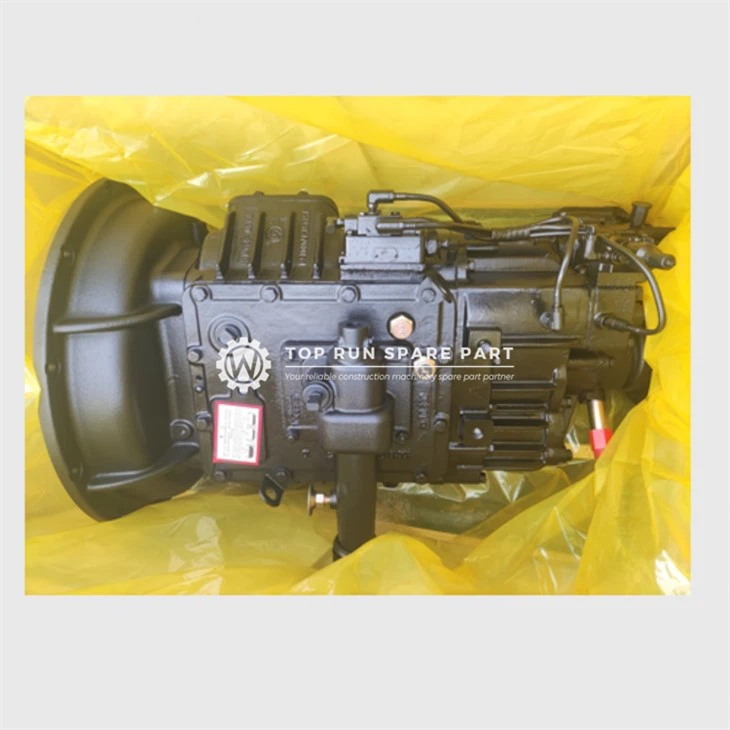
In addition to the main materials used in the construction of the cabin, spare parts also play an important role. For example, the Truck Crane Gearbox is a crucial component that affects the performance of the crane. A well - functioning gearbox ensures smooth operation and efficient power transmission.
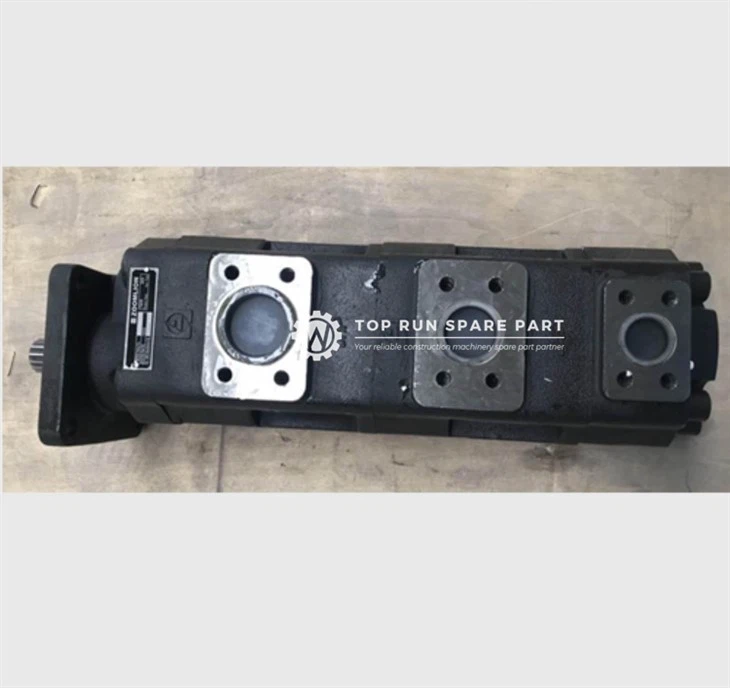
Crane Pump Parts are also essential for the hydraulic system of the crane. The hydraulic system is responsible for the movement of the crane's boom and other components, and high - quality pump parts are necessary for reliable operation.
The Balance Valve 1010300194 is another important spare part. It helps to maintain the balance and stability of the crane during operation, ensuring the safety of the operator and the load being lifted.
Conclusion
The materials used in the construction of a truck crane cabin are carefully selected to meet the requirements of strength, durability, visibility, comfort, and functionality. From the steel frame that provides the backbone to the glass that ensures clear visibility, each material plays a vital role in the overall performance of the cabin.
As a truck crane cabin supplier, I understand the importance of using high - quality materials and reliable spare parts. If you're in the market for a truck crane cabin or need to replace any parts, I encourage you to get in touch. We can discuss your specific requirements and provide you with a solution that meets your needs.
References
- "Handbook of Construction Materials" by John Smith
- "Automotive and Heavy Equipment Design" by David Brown
- Industry reports on truck crane manufacturing and materials usage
Categories
QR Code


