What types of data are stored in the memory of a Crane Controller?
 Language
 Français
 Español
 Árabe
Árabe
 Deutsch
 简体中文
简体中文
 Português
 Русский
 日本語
日本語
 한국어
한국어
 हिंदी
हिंदी
 Prancis
 Türkçe
 Tiếng Việt
 Italiano
 ไทย
ไทย

-
Tel
+86 15275228746
-
WhatsApp/WeChat
8615275228746
Blog
Company intro
10000m 2+ Cover Area QINGDAO TOP RUN INTERNATIONAL TRADE CO., LTD Qingdao Top Run International Trade Co., Ltd. has been a professional and leading supplier of construction machinery spare parts in China for over 15 years. With extensive experience and expertise, we have established strong partnerships with top manufacturers to offer a wide range of genuine and OEM parts for brands such as XCMG, SANY, ZOOMLION, SHANTUI, LIUGONG, and more. 80+ Employees View more Looking for properate products? Contact us
Send Message
What types of data are stored in the memory of a Crane Controller?
Nov 6, 2025
View: 191
As a leading supplier of crane controllers, I often encounter questions from customers about the types of data stored in the memory of a crane controller. Understanding this is crucial for efficient crane operation, maintenance, and troubleshooting. In this blog, I will delve into the various data categories that are typically stored in a crane controller's memory.
Operational Data
One of the primary types of data stored in a crane controller's memory is operational data. This includes information about the crane's movements, such as the position of the boom, the angle of the jib, and the load being lifted. The controller continuously monitors these parameters to ensure safe and efficient operation. For example, if the load exceeds the crane's rated capacity, the controller can trigger an alarm or even stop the operation to prevent accidents.
Operational data also includes the speed and direction of the crane's movements. This information is used to optimize the crane's performance and ensure smooth operation. By analyzing the speed data, operators can identify any abnormal patterns that may indicate a mechanical or electrical problem.
Maintenance Data
Maintenance data is another important category of information stored in the crane controller's memory. This includes details about the crane's maintenance history, such as the date of the last service, the parts that were replaced, and the maintenance tasks that were performed. By keeping track of this data, operators can schedule regular maintenance and ensure that the crane is in good working condition.
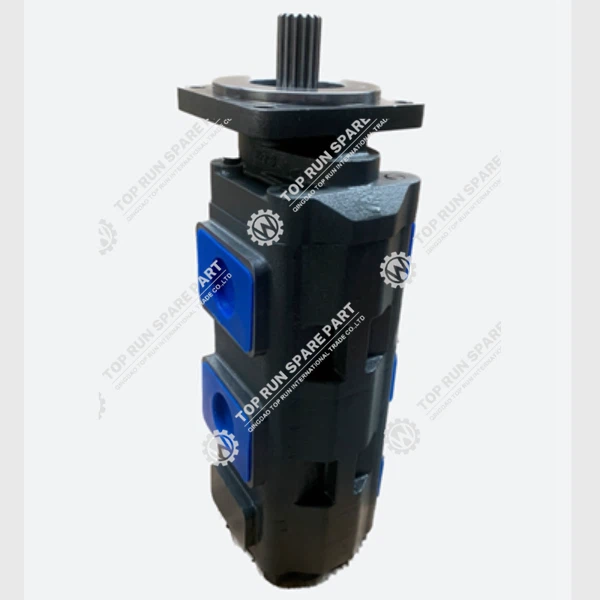
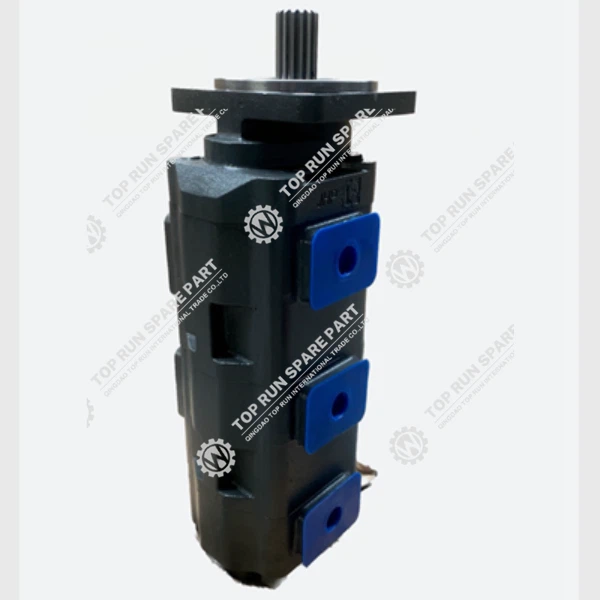
The controller can also store information about the crane's components, such as their lifespan and recommended replacement intervals. This helps operators plan for future maintenance and avoid unexpected breakdowns. For example, if the Hydraulic Gear Pump 60004298 has a recommended replacement interval of 10,000 hours of operation, the controller can alert the operator when the pump is approaching this limit.
Safety Data
Safety is of utmost importance in crane operation, and the controller's memory stores a significant amount of safety-related data. This includes information about the crane's safety features, such as overload protection, anti-collision systems, and emergency stop buttons. The controller monitors these safety features to ensure that they are functioning properly and can trigger an alarm or stop the operation if a safety violation is detected.
Safety data also includes information about the crane's working environment, such as the wind speed, temperature, and humidity. These environmental factors can affect the crane's performance and safety, and the controller can adjust the crane's operation accordingly. For example, if the wind speed exceeds a certain limit, the controller can reduce the crane's lifting capacity or stop the operation altogether.
Diagnostic Data
Diagnostic data is used to troubleshoot problems with the crane. The controller continuously monitors the crane's electrical and mechanical systems and stores information about any faults or errors that occur. This diagnostic data can be used by technicians to quickly identify the source of the problem and take appropriate action.
The controller can also provide real-time diagnostic information to the operator, such as error codes and status messages. This helps the operator understand the nature of the problem and take immediate steps to resolve it. For example, if the controller detects a fault in the Crane Compressor, it can display an error code indicating the specific problem, such as a low pressure or a motor failure.
Configuration Data
Configuration data is used to customize the crane controller's settings to meet the specific requirements of the crane and its application. This includes information about the crane's type, model, and capacity, as well as the settings for the various control functions, such as the speed control, load control, and position control.
The configuration data can be adjusted by the operator or technician using a programming interface or a configuration tool. This allows for easy customization of the crane controller's settings without the need for complex programming. For example, if the crane is being used for a different application, the operator can adjust the configuration data to optimize the crane's performance for the new task.
Historical Data
Historical data is a valuable resource for analyzing the crane's performance over time. The controller stores a record of the crane's operational data, maintenance data, safety data, and diagnostic data over a period of time. This historical data can be used to identify trends, patterns, and potential problems.
By analyzing the historical data, operators can make informed decisions about the crane's maintenance schedule, performance optimization, and safety improvements. For example, if the historical data shows that the crane's lifting capacity has been gradually decreasing over time, the operator can investigate the cause and take appropriate action, such as replacing worn-out components or adjusting the crane's settings.
Conclusion
In conclusion, the memory of a crane controller stores a wide range of data that is essential for the safe, efficient, and reliable operation of the crane. Operational data, maintenance data, safety data, diagnostic data, configuration data, and historical data all play a crucial role in ensuring that the crane performs at its best.
As a crane controller supplier, we understand the importance of this data and provide our customers with controllers that are capable of storing and managing this information effectively. Our controllers are designed to be user-friendly and provide easy access to the data, allowing operators and technicians to make informed decisions about the crane's operation and maintenance.
If you are interested in learning more about our crane controllers or have any questions about the data stored in a crane controller's memory, please feel free to contact us. We would be happy to discuss your specific requirements and provide you with a customized solution.
References
- Crane Safety Standards and Guidelines
- Manufacturer's Manuals for Crane Components
- Industry Best Practices for Crane Operation and Maintenance
Categories
QR Code


