Can a motor grader filter be modified for specific applications?
 Language
 Français
 Español
 Árabe
Árabe
 Deutsch
 简体中文
简体中文
 Português
 Русский
 日本語
日本語
 한국어
한국어
 हिंदी
हिंदी
 Prancis
 Türkçe
 Tiếng Việt
 Italiano
 ไทย
ไทย

-
Tel
+86 15275228746
-
WhatsApp/WeChat
8615275228746
Blog
Company intro
10000m 2+ Cover Area QINGDAO TOP RUN INTERNATIONAL TRADE CO., LTD Qingdao Top Run International Trade Co., Ltd. has been a professional and leading supplier of construction machinery spare parts in China for over 15 years. With extensive experience and expertise, we have established strong partnerships with top manufacturers to offer a wide range of genuine and OEM parts for brands such as XCMG, SANY, ZOOMLION, SHANTUI, LIUGONG, and more. 80+ Employees View more Looking for properate products? Contact us
Send Message
Can a motor grader filter be modified for specific applications?
Dec 8, 2025
View: 191
As a supplier of Motor Grader Filters, I often encounter customers who inquire about the possibility of modifying these filters for specific applications. This topic is not only relevant to the practical needs of our clients but also has significant implications for the overall performance and efficiency of motor graders. In this blog, I will explore the feasibility of modifying motor grader filters, the factors to consider, and the potential benefits and challenges associated with such modifications.
Understanding Motor Grader Filters
Before delving into the topic of filter modification, it is essential to understand the basic function and types of motor grader filters. Motor grader filters play a crucial role in maintaining the cleanliness of the engine, hydraulic system, and other vital components of the motor grader. They are designed to remove contaminants such as dirt, dust, metal particles, and water from the fluids circulating in the system, thereby preventing premature wear and damage to the equipment.
There are several types of motor grader filters, including air filters, oil filters, fuel filters, and hydraulic filters. Each type of filter has a specific function and is designed to meet the unique requirements of the motor grader's operating environment. For example, air filters are responsible for preventing dust and debris from entering the engine, while oil filters remove contaminants from the engine oil to ensure proper lubrication. Hydraulic filters, on the other hand, protect the hydraulic system from contaminants that could cause malfunctions or damage to the hydraulic components.
You can find a wide range of Motor Grader Filters on our website: Motor Grader Filter.
Feasibility of Modifying Motor Grader Filters
The question of whether a motor grader filter can be modified for specific applications depends on several factors, including the type of filter, the nature of the specific application, and the technical capabilities of the modification process. In general, some filters may be more amenable to modification than others, and the feasibility of modification also depends on the extent of the changes required.
For example, air filters can sometimes be modified to improve their filtration efficiency or to adapt to specific environmental conditions. This could involve changing the filter media, increasing the surface area of the filter, or adding additional layers of filtration. However, such modifications need to be carefully evaluated to ensure that they do not compromise the overall performance of the engine or violate any manufacturer's specifications.
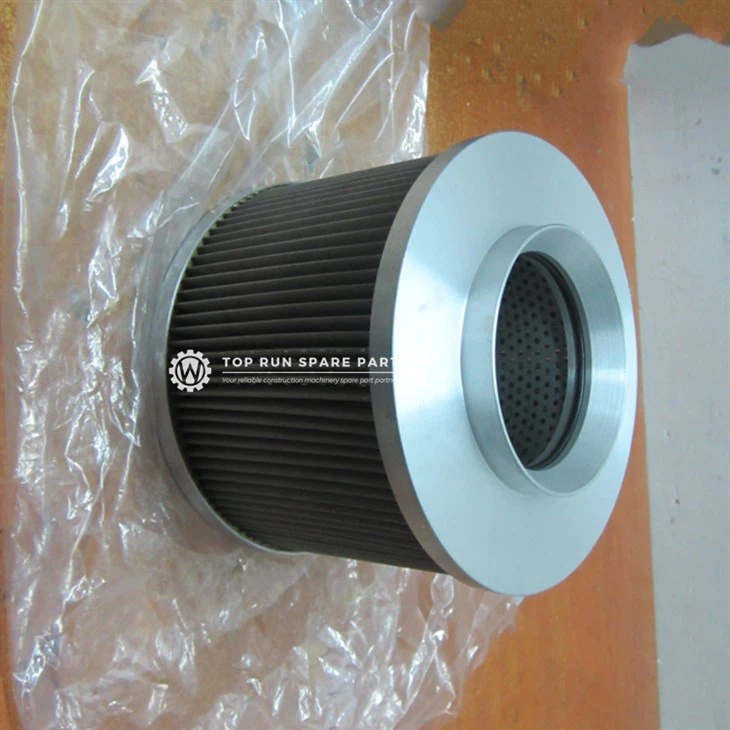
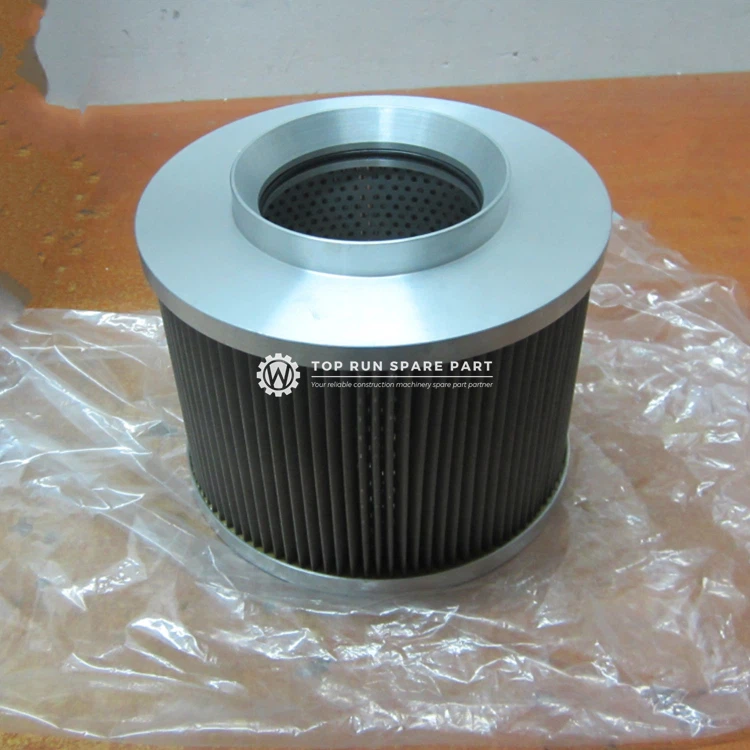
Oil filters and fuel filters can also be modified in some cases, but the process is more complex and requires a thorough understanding of the engine's lubrication and fuel systems. Modifying these filters may involve changing the filter element, adjusting the bypass valve settings, or incorporating additional filtration technologies. Again, any modifications must be carried out with caution to avoid potential damage to the engine.
Hydraulic filters are particularly important for the proper functioning of the motor grader's hydraulic system. Modifying hydraulic filters may be necessary to meet the specific requirements of a particular application, such as high-pressure operations or the use of specialized hydraulic fluids. However, hydraulic filter modification requires a high level of technical expertise and knowledge of hydraulic system design. You can explore our range of Motor Grader Hydraulic Filter for more information.
Factors to Consider When Modifying Motor Grader Filters
When considering modifying a motor grader filter for a specific application, several factors need to be taken into account:
- Manufacturer's Specifications: It is crucial to consult the motor grader's manufacturer and review the equipment's technical specifications before making any modifications. Modifying the filter in a way that violates the manufacturer's recommendations can void the warranty and may lead to serious performance issues or damage to the equipment.
- Filtration Efficiency: The primary function of a filter is to remove contaminants from the fluid. Any modification should aim to improve or at least maintain the filtration efficiency of the filter. This requires careful selection of filter media and appropriate design changes to ensure that the filter can effectively capture the targeted contaminants.
- Flow Rate: Modifying the filter can affect the flow rate of the fluid passing through it. A significant reduction in flow rate can lead to increased pressure drop, which can negatively impact the performance of the engine or hydraulic system. Therefore, it is essential to ensure that the modified filter maintains an appropriate flow rate to meet the system's requirements.
- Compatibility: The modified filter must be compatible with the existing components of the motor grader. This includes ensuring that the filter housing, mounting hardware, and fluid connections are compatible with the new filter design. Incompatible components can lead to leaks, improper installation, and potential system failures.
- Cost-Effectiveness: Modifying a filter may involve additional costs, including the cost of materials, labor, and testing. It is important to evaluate the cost-effectiveness of the modification and determine whether the benefits outweigh the expenses. In some cases, it may be more cost-effective to purchase a pre-designed filter that is specifically tailored to the application.
Benefits of Modifying Motor Grader Filters
When done correctly, modifying motor grader filters for specific applications can offer several benefits:
- Improved Performance: A modified filter can be optimized to better suit the specific operating conditions of the motor grader. This can result in improved engine performance, smoother hydraulic system operation, and reduced downtime due to equipment failures.
- Extended Equipment Life: By effectively removing contaminants from the fluids, a modified filter can help prevent premature wear and damage to the engine, hydraulic components, and other vital parts of the motor grader. This can extend the lifespan of the equipment and reduce the overall cost of ownership.
- Enhanced Environmental Adaptability: In some applications, the motor grader may operate in harsh or unique environmental conditions. Modifying the filter can enable it to better withstand these conditions, such as high levels of dust, extreme temperatures, or exposure to corrosive substances.
- Customized Solutions: Every motor grader application is unique, and a modified filter can provide a customized solution that meets the specific needs of the customer. This can result in improved productivity and efficiency, as the equipment is better able to perform its intended tasks.
Challenges of Modifying Motor Grader Filters
Despite the potential benefits, modifying motor grader filters also presents several challenges:
- Technical Complexity: Filter modification requires a high level of technical expertise and knowledge of filtration technology, fluid dynamics, and the specific requirements of the motor grader's systems. Without proper expertise, there is a risk of making incorrect modifications that can lead to performance issues or equipment damage.
- Testing and Validation: Any modified filter must undergo rigorous testing and validation to ensure that it meets the required performance standards. This includes testing for filtration efficiency, flow rate, pressure drop, and compatibility with the motor grader's systems. Testing can be time-consuming and expensive, and it may require specialized equipment and facilities.
- Regulatory Compliance: In some cases, modifying a filter may need to comply with certain regulatory requirements, such as environmental regulations or industry standards. Ensuring compliance can add an additional layer of complexity to the modification process.
- Warranty Concerns: As mentioned earlier, modifying the filter in a way that violates the manufacturer's specifications can void the warranty. This can be a significant concern for customers, as it may expose them to potential financial risks in the event of equipment failure.
Conclusion
In conclusion, the question of whether a motor grader filter can be modified for specific applications is a complex one that depends on various factors. While it is possible to modify some filters to meet the unique requirements of a particular application, it is essential to approach the process with caution and to consider all the relevant factors, including manufacturer's specifications, filtration efficiency, flow rate, compatibility, and cost-effectiveness.
As a supplier of Motor Grader Filters, we have the expertise and experience to assist our customers in evaluating the feasibility of filter modification and providing customized solutions. If you are considering modifying a motor grader filter for your specific application, we encourage you to contact us to discuss your requirements. Our team of experts can help you determine the best approach and provide you with the necessary support and guidance throughout the modification process.
Whether you need a standard filter or a customized solution, we are committed to providing high-quality products and excellent customer service. Contact us today to start the conversation about your motor grader filter needs.
References
- "Filtration Handbook" by Peter A. Schweitzer
- "Hydraulic Systems and Components: Design, Installation and Maintenance" by Arthur R. Slocum
- Manufacturer's technical manuals and specifications for motor graders
Categories
QR Code


