Can a wheel loader bucket be repaired?
 Language
 Français
 Español
 Árabe
Árabe
 Deutsch
 简体中文
简体中文
 Português
 Русский
 日本語
日本語
 한국어
한국어
 हिंदी
हिंदी
 Prancis
 Türkçe
 Tiếng Việt
 Italiano
 ไทย
ไทย

-
Tel
+86 15275228746
-
WhatsApp/WeChat
8615275228746
Blog
Company intro
10000m 2+ Cover Area QINGDAO TOP RUN INTERNATIONAL TRADE CO., LTD Qingdao Top Run International Trade Co., Ltd. has been a professional and leading supplier of construction machinery spare parts in China for over 15 years. With extensive experience and expertise, we have established strong partnerships with top manufacturers to offer a wide range of genuine and OEM parts for brands such as XCMG, SANY, ZOOMLION, SHANTUI, LIUGONG, and more. 80+ Employees View more Looking for properate products? Contact us
Send Message
Can a wheel loader bucket be repaired?
Oct 30, 2025
View: 249
Can a wheel loader bucket be repaired? This is a question that many wheel loader owners and operators often ask. As a wheel loader bucket supplier, I have encountered this issue numerous times, and I'm here to share my insights on this topic.
Understanding the Wheel Loader Bucket and Its Importance
A wheel loader bucket is a crucial component of a wheel loader. It is the part that comes into direct contact with the materials being loaded, such as soil, gravel, sand, or rocks. The bucket's design and durability are essential for the efficient operation of the wheel loader. A well - functioning bucket can significantly increase productivity, while a damaged one can lead to decreased efficiency and increased downtime.
The wheel loader bucket is subjected to a great deal of stress and wear during its operation. It has to withstand the impact of loading heavy materials, abrasion from rough surfaces, and the pressure exerted during the digging and lifting processes. Over time, these factors can cause various types of damage to the bucket.
Common Types of Damage to Wheel Loader Buckets
- Wear and Tear: The most common type of damage is wear and tear. The edges of the bucket, especially the cutting edge and the side plates, are prone to abrasion. As the bucket scoops up materials, the constant friction between the bucket and the materials gradually wears down the metal. This can lead to a reduction in the bucket's capacity and efficiency.
- Cracks: Cracks can occur due to excessive stress, impact, or fatigue. For example, if the wheel loader is used to dig into hard rocks or if it experiences a sudden impact, cracks may develop in the bucket. These cracks can start small but can spread over time, eventually leading to a complete failure of the bucket if not addressed.
- Holes: Holes can be caused by severe abrasion or impact. When the metal of the bucket is worn thin enough, a hole may form. This can allow materials to leak out of the bucket, reducing its effectiveness and potentially causing damage to other parts of the wheel loader.
Repairing a Wheel Loader Bucket: Is It Possible?
The answer is yes, a wheel loader bucket can often be repaired. However, the feasibility of repair depends on several factors, including the type and extent of the damage, the age of the bucket, and the cost - effectiveness of the repair.
- Wear and Tear Repair: For minor wear and tear, such as a slightly worn cutting edge, the repair can be relatively simple. One common method is to weld on a new cutting edge or replace the wear - resistant plates on the side of the bucket. This can restore the bucket's functionality and extend its service life. For more extensive wear, where a large portion of the bucket's surface is worn, it may be necessary to apply a hard - facing material. Hard - facing is a process of depositing a layer of wear - resistant material on the surface of the bucket using welding techniques. This can significantly increase the bucket's resistance to abrasion.
- Crack Repair: Repairing cracks in a wheel loader bucket requires more skill and care. First, the crack needs to be cleaned and prepared. This involves removing any dirt, rust, or debris from the crack area. Then, a suitable welding process is used to fill the crack. It is important to use the correct welding rod and technique to ensure a strong and durable repair. In some cases, additional reinforcement may be needed around the repaired area to prevent the crack from reappearing.
- Hole Repair: When it comes to holes, the repair process is similar to crack repair. The hole needs to be cleaned and the edges prepared for welding. A patch of suitable metal can be cut and welded over the hole. The size and thickness of the patch should be carefully selected to match the original bucket material.
Factors to Consider Before Repairing
- Cost - Effectiveness: One of the most important factors to consider is the cost - effectiveness of the repair. In some cases, the cost of repairing a severely damaged bucket may be close to or even higher than the cost of a new bucket. In such situations, it may be more economical to replace the bucket rather than repair it.
- Bucket Age and Condition: The age and overall condition of the bucket also play a role. If the bucket is already very old and has suffered multiple damages in the past, even a successful repair may only provide a temporary solution. A new bucket may offer better performance and reliability in the long run.
- Safety: Safety is paramount when it comes to wheel loader operation. A poorly repaired bucket can pose a safety risk to the operator and other workers on the site. It is essential to ensure that any repair work is carried out to a high standard and that the repaired bucket meets all safety requirements.
The Role of Spare Parts in Bucket Repair
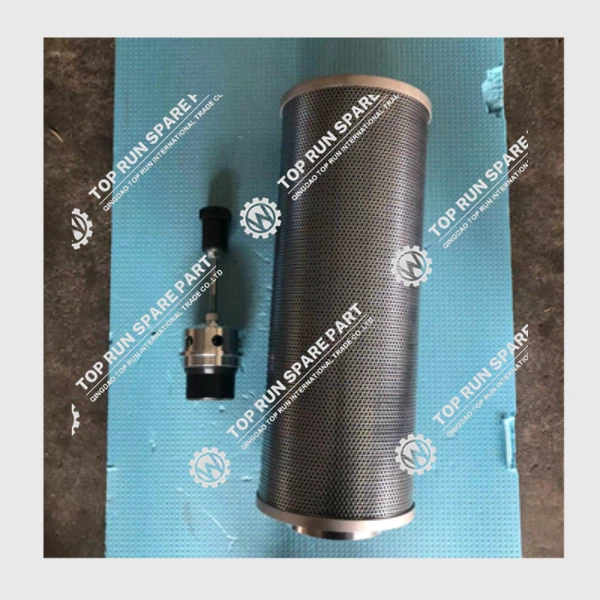
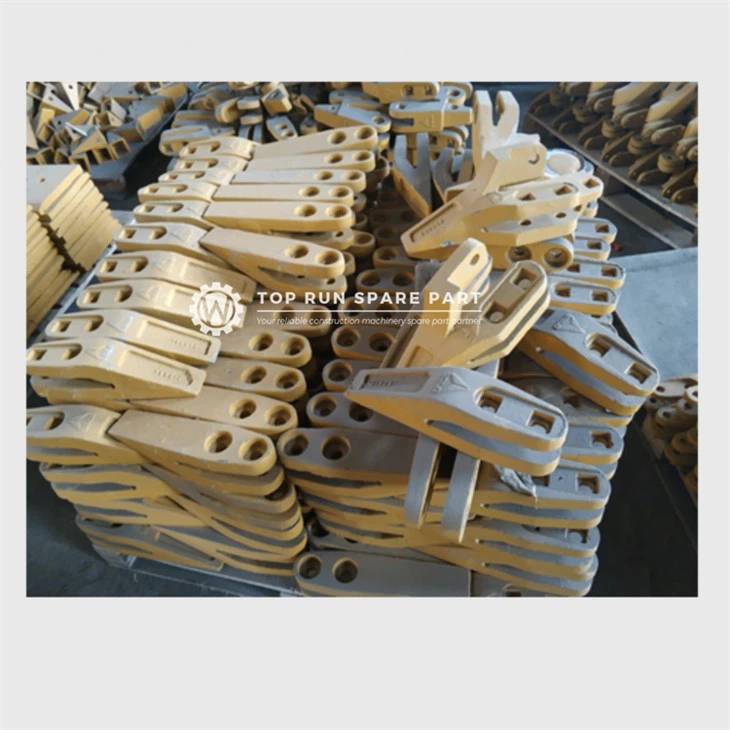
When repairing a wheel loader bucket, spare parts can play a crucial role. For example, if you need to replace the cutting edge or the wear - resistant plates, you can source high - quality spare parts. Some of the related spare parts that are often used in wheel loader maintenance and repair include Transmission Assembly Or Gearbox 800357721 Yd13004137, which is an important part of the wheel loader's power transmission system, and Hydraulic Oil Filter 803440491, which helps to keep the hydraulic system clean and functioning properly. Additionally, Wheel Loader Teeth are essential for the bucket's digging ability and can be replaced when worn out.
Conclusion
In conclusion, a wheel loader bucket can generally be repaired, but the decision to repair or replace should be based on a careful assessment of the damage, cost - effectiveness, and safety. As a wheel loader bucket supplier, I understand the importance of keeping your wheel loader in optimal condition. Whether you need a new bucket, spare parts for repair, or advice on maintenance, we are here to help.
If you are facing issues with your wheel loader bucket or are interested in purchasing high - quality wheel loader buckets and spare parts, please feel free to contact us for a detailed discussion and to explore the best solutions for your needs.
References
- "Wheel Loader Maintenance and Repair Guide" - Industry - specific technical manual
- "Heavy Equipment Handbook" - General reference for heavy equipment operation and maintenance
Categories
QR Code


