How do I improve the lifespan of excavator teeth?
 Language
 Français
 Español
 Árabe
Árabe
 Deutsch
 简体中文
简体中文
 Português
 Русский
 日本語
日本語
 한국어
한국어
 हिंदी
हिंदी
 Prancis
 Türkçe
 Tiếng Việt
 Italiano
 ไทย
ไทย

-
Tel
+86 15275228746
-
WhatsApp/WeChat
8615275228746
Blog
Company intro
10000m 2+ Cover Area QINGDAO TOP RUN INTERNATIONAL TRADE CO., LTD Qingdao Top Run International Trade Co., Ltd. has been a professional and leading supplier of construction machinery spare parts in China for over 15 years. With extensive experience and expertise, we have established strong partnerships with top manufacturers to offer a wide range of genuine and OEM parts for brands such as XCMG, SANY, ZOOMLION, SHANTUI, LIUGONG, and more. 80+ Employees View more Looking for properate products? Contact us
Send Message
How do I improve the lifespan of excavator teeth?
Aug 15, 2025
View: 178
As a trusted Excavator Teeth supplier, I understand the significance of extending the lifespan of these crucial components. Excavator teeth endure extreme stress and wear during excavation operations, making their longevity a top priority for both cost - efficiency and operational productivity. In this blog, I'll share some practical and scientific strategies to enhance the lifespan of excavator teeth.
1. Select the Right Excavator Teeth
The first step in improving the lifespan of excavator teeth is to choose the appropriate type for the specific job. Different excavation tasks require different tooth designs. For example, if you're working in soft soil or sand, a general - purpose tooth might be sufficient. However, when dealing with hard rock or abrasive materials, you'll need teeth made from high - strength, wear - resistant alloys.
Our company offers a wide range of Excavator Teeth designed for various applications. We ensure that each tooth is crafted with precision and high - quality materials, providing excellent durability and performance. By selecting the right tooth for the job, you can reduce unnecessary wear and tear, thus extending its lifespan.
2. Proper Installation
Correct installation of excavator teeth is crucial for their long - term performance. Incorrectly installed teeth can cause uneven stress distribution, leading to premature wear and possible breakage. Before installation, make sure the tooth adapter is clean and free of debris. Check for any signs of damage or wear on the adapter and replace it if necessary.
When installing the tooth, ensure it fits snugly onto the adapter. Use the appropriate locking pins or retention systems provided by the manufacturer. A loose - fitting tooth can move during operation, causing excessive wear at the connection point and reducing the overall lifespan of the tooth.
3. Regular Inspection
Regular inspection is a key practice in maintaining the health of excavator teeth. Inspect the teeth before and after each shift, or at least on a daily basis if the machine is in continuous use. Look for signs of wear, such as excessive tip wear, cracks, or deformation.
If you notice any minor damage, it's important to address it immediately. Small cracks can quickly propagate under stress, leading to complete tooth failure. Replace any teeth that are worn beyond the recommended limit. By catching problems early, you can prevent further damage to the tooth and other components of the excavator.
4. Correct Operating Techniques
The way an excavator is operated has a significant impact on the lifespan of its teeth. Operators should be trained to use the correct techniques to minimize stress on the teeth. For example, avoid using the teeth as a pry bar or for tasks they are not designed for.
When digging, use the full range of the excavator's bucket movement. Instead of forcing the teeth into the ground at a single point, use a sweeping motion to distribute the load evenly across the teeth. This reduces the concentrated stress on individual teeth and helps prevent premature wear.
5. Maintenance of Associated Components
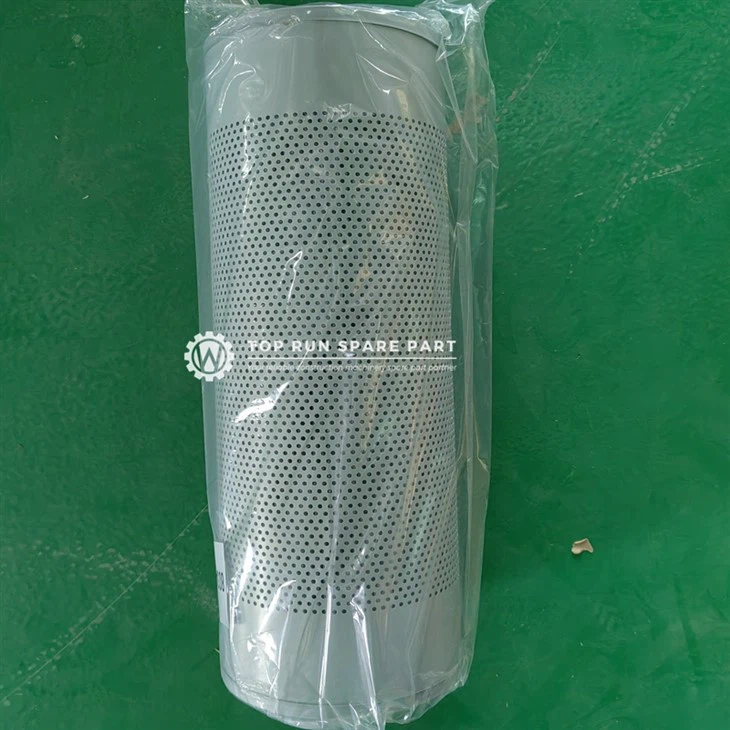
The performance and lifespan of excavator teeth are also affected by the condition of other associated components. For example, the Excavator Filters play a vital role in keeping the hydraulic system clean. A dirty hydraulic system can cause erratic bucket movements, which in turn can put additional stress on the teeth.
Regularly replace the excavator filters according to the manufacturer's recommendations. This ensures that the hydraulic fluid is clean and free of contaminants, providing smooth and efficient operation of the bucket and teeth.
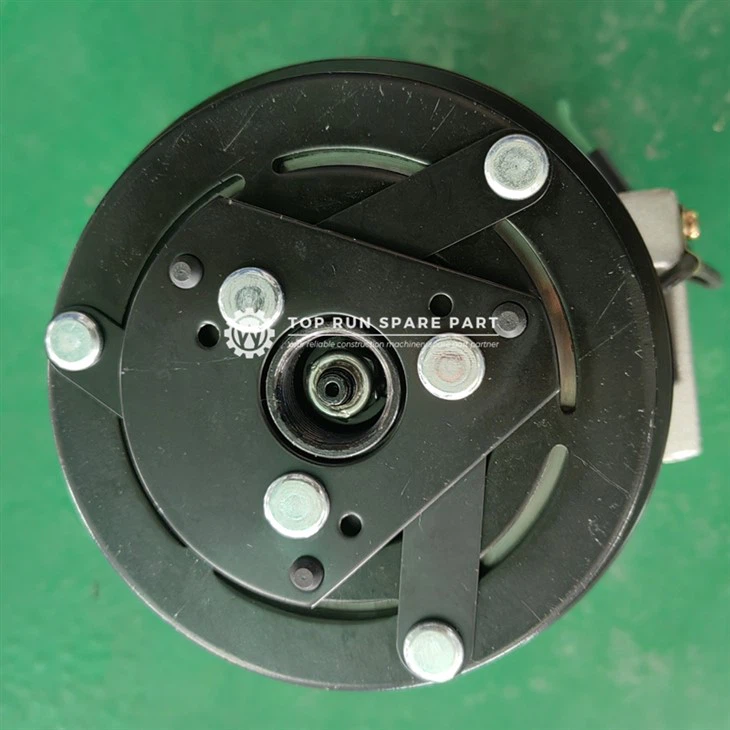
Similarly, the Excavator Compressor is important for maintaining proper pressure in the hydraulic system. A malfunctioning compressor can lead to inconsistent bucket operation, increasing the wear on the teeth. Have the compressor inspected and serviced regularly to keep it in optimal condition.
6. Optimal Working Environment
The working environment can have a profound effect on the lifespan of excavator teeth. Avoid operating the excavator in extremely harsh conditions whenever possible. For example, working in highly abrasive materials like quartz - rich sand or hard rock for extended periods can cause rapid wear of the teeth.
If you have to work in such conditions, consider using teeth with enhanced wear - resistant coatings or materials. Additionally, try to schedule breaks during long - term operations to allow the teeth to cool down. High temperatures can reduce the hardness of the tooth material, making it more susceptible to wear.
7. Storage
Proper storage of excavator teeth when they are not in use is also important. Store the teeth in a dry, clean environment to prevent corrosion. If the teeth are exposed to moisture for an extended period, they can rust, which weakens the material and reduces their lifespan.
When storing the teeth, keep them organized and protected. Avoid stacking them in a way that could cause damage. If possible, cover the teeth with a protective coating or use storage containers designed for excavator parts.
8. Training and Education
Providing training and education to operators and maintenance personnel is essential for improving the lifespan of excavator teeth. Operators should be educated on the proper use of the excavator and the importance of correct operating techniques. Maintenance personnel should be trained on how to inspect, install, and replace the teeth correctly.
By investing in training, you can ensure that everyone involved in the operation and maintenance of the excavator understands the best practices for extending the lifespan of the teeth. This knowledge can lead to more efficient use of the equipment and significant cost savings in the long run.
9. Partner with a Reliable Supplier
Partnering with a reliable excavator teeth supplier is crucial. A good supplier can provide high - quality teeth, offer technical support, and provide valuable advice on tooth selection and maintenance.
As an experienced Excavator Teeth supplier, we are committed to providing our customers with the best products and services. We have a team of experts who can assist you in choosing the right teeth for your specific needs and offer guidance on how to maximize their lifespan.
In conclusion, improving the lifespan of excavator teeth requires a comprehensive approach that includes proper selection, installation, inspection, operation, and maintenance. By following these strategies, you can significantly reduce the frequency of tooth replacement, save costs, and improve the overall efficiency of your excavation operations.
If you're interested in learning more about our Excavator Teeth or need advice on how to extend their lifespan, please feel free to contact us. We're here to help you make the most of your excavator equipment.
References
- Manufacturer's manuals for excavator teeth and related components.
- Industry research on excavator wear and maintenance best practices.
- Technical publications on materials science and engineering related to excavator parts.
Categories
QR Code


