How do I measure the wear of excavator teeth?
 Language
 Français
 Español
 Árabe
Árabe
 Deutsch
 简体中文
简体中文
 Português
 Русский
 日本語
日本語
 한국어
한국어
 हिंदी
हिंदी
 Prancis
 Türkçe
 Tiếng Việt
 Italiano
 ไทย
ไทย

-
Tel
+86 15275228746
-
WhatsApp/WeChat
8615275228746
Blog
Company intro
10000m 2+ Cover Area QINGDAO TOP RUN INTERNATIONAL TRADE CO., LTD Qingdao Top Run International Trade Co., Ltd. has been a professional and leading supplier of construction machinery spare parts in China for over 15 years. With extensive experience and expertise, we have established strong partnerships with top manufacturers to offer a wide range of genuine and OEM parts for brands such as XCMG, SANY, ZOOMLION, SHANTUI, LIUGONG, and more. 80+ Employees View more Looking for properate products? Contact us
Send Message
How do I measure the wear of excavator teeth?
Jun 9, 2025
View: 231
As a supplier of Excavator Teeth, understanding how to measure the wear of these crucial components is essential. Not only does it help in providing accurate advice to our customers, but it also ensures that we can offer the best products to meet their needs. In this blog, I will share some effective methods to measure the wear of excavator teeth.
Visual Inspection
Visual inspection is the first and most basic step in assessing the wear of excavator teeth. By simply looking at the teeth, we can get a rough idea of their condition. Look for signs such as chipping, cracking, and deformation. Chipping usually occurs at the tip of the tooth, which can be caused by impact with hard materials during excavation. Cracks may appear on the surface of the tooth, and if left unaddressed, they can lead to the complete failure of the tooth. Deformation can be observed as a change in the shape of the tooth, which may affect its performance.
When conducting a visual inspection, it is important to have a good understanding of the normal appearance of the excavator teeth. Compare the current condition of the teeth with their original state or with a new tooth of the same model. This can help in identifying any significant changes. Additionally, pay attention to the color of the tooth. A discolored tooth may indicate overheating or corrosion, which can also contribute to wear.
Measuring the Tooth Length
One of the most common ways to measure the wear of excavator teeth is by measuring their length. As the tooth wears down during use, its length will decrease. To measure the tooth length accurately, use a caliper or a ruler. Place the measuring tool at the base of the tooth and extend it to the tip. Record the measurement and compare it with the original length of the tooth.
The original length of the tooth can usually be found in the product specifications provided by the manufacturer. If the measured length is significantly shorter than the original length, it indicates that the tooth has experienced substantial wear. A general rule of thumb is that when the tooth length has decreased by about 20 - 30% of its original length, it may be time to consider replacing the tooth.
Measuring the Tooth Width
In addition to the length, the width of the excavator tooth can also change due to wear. Measuring the tooth width can provide more information about the wear pattern. Similar to measuring the length, use a caliper or a ruler to measure the width at different points along the tooth.
Pay special attention to the width at the tip and the base of the tooth. A decrease in the width at the tip may suggest that the tooth is being worn down from the front, which is a common wear pattern. On the other hand, a decrease in the width at the base may indicate that the tooth is being worn from the sides. Comparing the current width measurements with the original width can help in determining the extent of wear.
Assessing the Tooth Weight
Another method to measure the wear of excavator teeth is by assessing their weight. As the tooth wears, material is removed, which results in a decrease in weight. To measure the weight, use a scale. Make sure to clean the tooth thoroughly before weighing it to ensure accurate results.
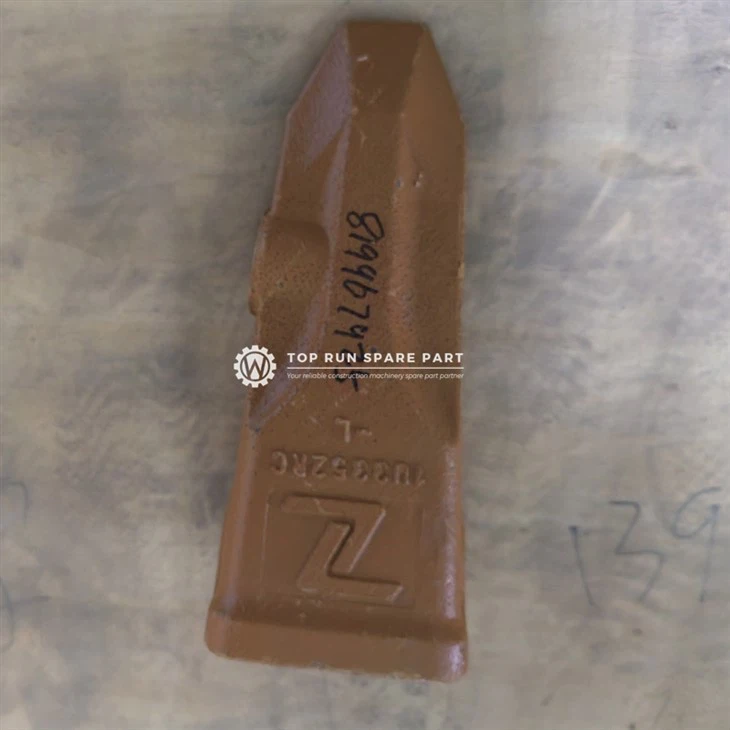
Compare the current weight of the tooth with its original weight. A significant decrease in weight indicates that the tooth has lost a considerable amount of material due to wear. However, it should be noted that the weight measurement may not be as precise as the length or width measurement, as factors such as dirt and debris on the tooth can affect the weight.
Using Wear Indicators
Some excavator teeth are equipped with wear indicators. These are specially designed features that can help in determining the wear level of the tooth. For example, a wear indicator may be a groove or a mark on the tooth. When the wear reaches a certain level, the groove or mark will disappear or change in appearance.
If the excavator teeth you are using have wear indicators, it is important to check them regularly. This can provide a quick and easy way to determine whether the tooth needs to be replaced. Follow the manufacturer's instructions on how to interpret the wear indicators.
Considering the Operating Conditions
The wear of excavator teeth is also affected by the operating conditions. For example, if the excavator is working in a highly abrasive environment, such as in a quarry or a mine, the teeth will wear out faster compared to working in a less abrasive environment. Similarly, the type of material being excavated, the frequency of use, and the operator's technique can all influence the wear rate.
When measuring the wear of excavator teeth, it is important to take these operating conditions into account. If the teeth are experiencing excessive wear, it may be necessary to adjust the operating conditions or consider using teeth with higher wear resistance.
Importance of Regular Maintenance
Regular maintenance is crucial for ensuring the longevity of excavator teeth. This includes cleaning the teeth after each use to remove dirt and debris, lubricating the connection points, and inspecting the teeth for any signs of damage. By maintaining the teeth properly, you can reduce the wear rate and extend their service life.
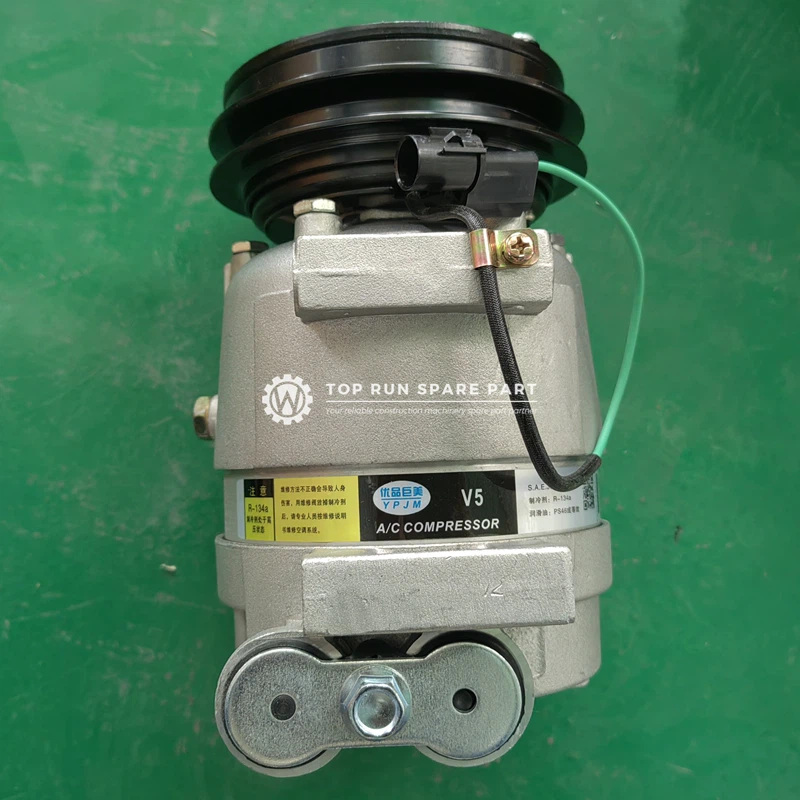
In addition to the teeth themselves, it is also important to maintain other related components, such as the Excavator Filters and the Excavator Compressor. A clean filter can prevent dirt and debris from entering the hydraulic system, which can reduce the wear on the teeth. A well - maintained compressor can ensure proper operation of the excavator, which can also have a positive impact on the teeth.
Conclusion
Measuring the wear of excavator teeth is a multi - faceted process that involves visual inspection, length and width measurement, weight assessment, and consideration of the operating conditions. By regularly measuring the wear and taking appropriate maintenance measures, you can ensure the optimal performance of your excavator teeth.
As a supplier of Excavator Teeth, we are committed to providing high - quality products and professional advice. If you have any questions about measuring the wear of excavator teeth or need to purchase new teeth, please feel free to contact us for further discussion. We look forward to working with you to meet your excavator parts needs.
References
- Manufacturer's manuals for excavator teeth
- Industry standards and guidelines for excavator maintenance
- Research papers on wear mechanisms of excavator components
Categories
QR Code


