How do wheel loader teeth interact with the bucket?
 Language
 Français
 Español
 Árabe
Árabe
 Deutsch
 简体中文
简体中文
 Português
 Русский
 日本語
日本語
 한국어
한국어
 हिंदी
हिंदी
 Prancis
 Türkçe
 Tiếng Việt
 Italiano
 ไทย
ไทย

-
Tel
+86 15275228746
-
WhatsApp/WeChat
8615275228746
Blog
Company intro
10000m 2+ Cover Area QINGDAO TOP RUN INTERNATIONAL TRADE CO., LTD Qingdao Top Run International Trade Co., Ltd. has been a professional and leading supplier of construction machinery spare parts in China for over 15 years. With extensive experience and expertise, we have established strong partnerships with top manufacturers to offer a wide range of genuine and OEM parts for brands such as XCMG, SANY, ZOOMLION, SHANTUI, LIUGONG, and more. 80+ Employees View more Looking for properate products? Contact us
Send Message
How do wheel loader teeth interact with the bucket?
Oct 29, 2025
View: 208
Wheel loaders are essential heavy - duty machines in the construction, mining, and agricultural industries. At the heart of a wheel loader's functionality lies the interaction between the wheel loader teeth and the bucket. As a reputable wheel loader teeth supplier, I have witnessed firsthand how this interaction impacts the overall performance of the machine.
The Structure and Function of Wheel Loader Teeth
Wheel loader teeth are the front - line components that first come into contact with the material to be loaded. They are typically made of high - strength alloy steels, which are heat - treated to enhance their hardness and wear resistance. The design of the teeth varies depending on the application. For example, in mining operations where the material is extremely hard, such as granite or iron ore, teeth with a more robust and pointed design are used. These teeth are able to penetrate the hard material effectively, breaking it into smaller pieces that can be more easily scooped up by the bucket.
On the other hand, in applications where the material is relatively soft, like sand or loose soil, teeth with a wider and flatter profile may be more suitable. These teeth can spread the load over a larger area, preventing the wheel loader from getting bogged down and improving the efficiency of the loading process.
The teeth are attached to the bucket through a variety of methods. One common method is the use of a pin - and - retainer system. In this system, the teeth are secured to the bucket by a pin that passes through holes in both the tooth and the adapter on the bucket. A retainer is then used to hold the pin in place, ensuring that the tooth remains firmly attached during operation. This system allows for easy replacement of worn - out teeth, which is crucial for maintaining the performance of the wheel loader.
How Wheel Loader Teeth Interact with the Bucket
The interaction between the wheel loader teeth and the bucket is a complex process that involves both mechanical and hydraulic forces. When the wheel loader operator lowers the bucket towards the material, the teeth make initial contact. The shape and angle of the teeth determine how the material is broken up and how it enters the bucket.
As the teeth penetrate the material, they create a force that is transferred to the bucket. This force must be carefully managed to prevent damage to the bucket. The bucket is designed to withstand these forces, with its structure reinforced in areas where the teeth are attached. The shape of the bucket also plays a role in the interaction. A well - designed bucket will have a smooth interior surface that allows the material to flow easily from the teeth into the bucket.
The hydraulic system of the wheel loader also plays a crucial role in this interaction. The hydraulic cylinders are used to control the movement of the bucket, including the lifting and tilting actions. When the teeth are engaged with the material, the hydraulic system provides the necessary force to drive the bucket forward and lift the loaded material. The operator can adjust the hydraulic pressure and flow rate to optimize the performance of the wheel loader based on the type of material being loaded.
Impact on Efficiency and Productivity
The proper interaction between the wheel loader teeth and the bucket has a significant impact on the efficiency and productivity of the wheel loader. When the teeth are well - matched to the material and the bucket, the loading process is faster and more efficient. For example, if the teeth are too small or too weak for the material, they may wear out quickly, requiring frequent replacement. This not only increases the operating cost but also reduces the uptime of the wheel loader.
Conversely, if the teeth are too large or too aggressive for the material, they may cause unnecessary damage to the bucket and the surrounding environment. This can lead to costly repairs and downtime. By choosing the right combination of teeth and bucket, operators can maximize the amount of material that can be loaded per cycle, reducing the number of cycles required to complete a job and increasing overall productivity.
In addition, the interaction between the teeth and the bucket affects the fuel consumption of the wheel loader. A well - optimized system can reduce the amount of energy required to load the material, resulting in lower fuel costs. This is especially important in today's economic and environmental climate, where reducing operating costs and carbon emissions are top priorities for many companies.
Complementary Spare Parts for Wheel Loaders
In addition to wheel loader teeth, there are other important spare parts that contribute to the overall performance of the wheel loader. For example, the 804019433 Plunger Pump is a critical component of the hydraulic system. It is responsible for generating the high - pressure hydraulic fluid that powers the various functions of the wheel loader, including the movement of the bucket and the operation of the teeth. A malfunctioning plunger pump can lead to a loss of hydraulic power, which can significantly affect the performance of the wheel loader.
The Transmission Accessories Torque Converter is another important part. It is used to transfer power from the engine to the transmission, allowing the wheel loader to change speeds smoothly. A high - quality torque converter can improve the efficiency of the power transfer, reducing fuel consumption and wear on the transmission components.
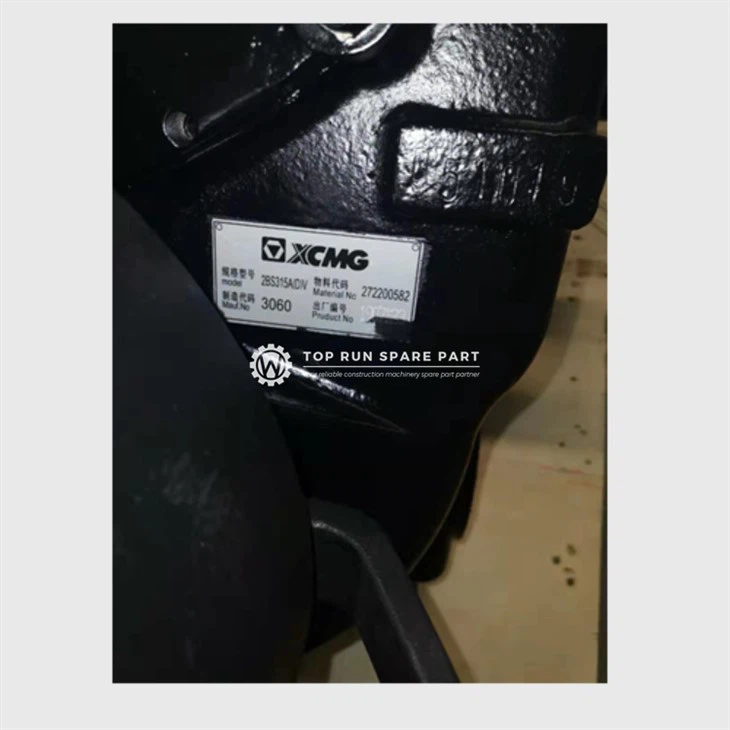
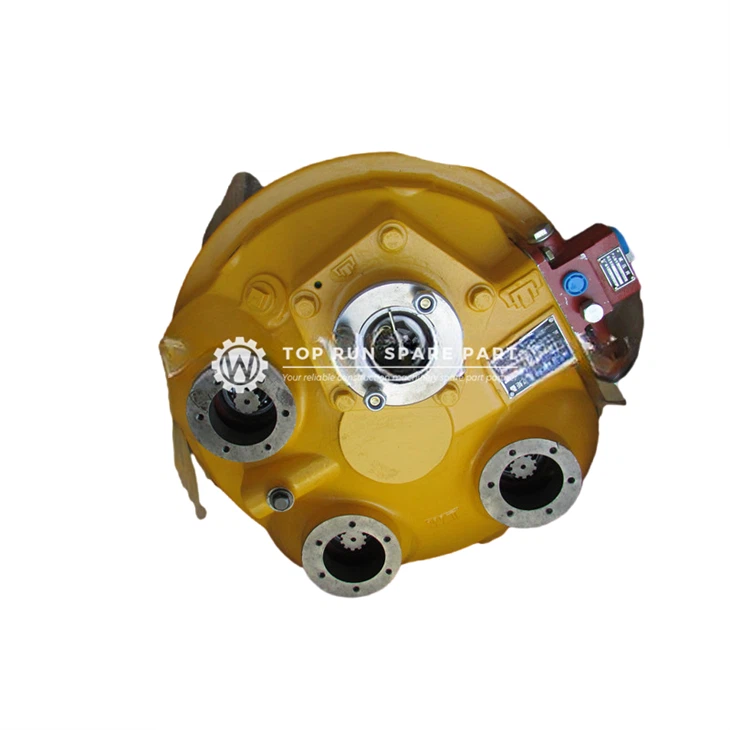
The Wheel Loader Gearbox is also essential for the operation of the wheel loader. It is responsible for changing the gear ratio between the engine and the wheels, providing the necessary torque and speed for different operating conditions. A reliable gearbox can ensure that the wheel loader can handle heavy loads and operate efficiently in various terrains.
Conclusion
The interaction between wheel loader teeth and the bucket is a critical factor in the performance of wheel loaders. As a wheel loader teeth supplier, I understand the importance of providing high - quality teeth that are designed to work in harmony with the bucket. By choosing the right teeth for the specific application and ensuring a proper fit with the bucket, operators can improve the efficiency, productivity, and reliability of their wheel loaders.
If you are in the market for wheel loader teeth or other wheel loader spare parts, I invite you to contact me for a detailed discussion on your requirements. We can work together to find the best solutions for your wheel loader, ensuring that it operates at its peak performance and saves you time and money in the long run.
References
- "Wheel Loader Handbook" - A comprehensive guide to the design, operation, and maintenance of wheel loaders.
- "Materials Science for Heavy - Duty Equipment" - This book provides in - depth knowledge about the materials used in the manufacturing of wheel loader teeth and buckets.
- Industry research reports on the performance and efficiency of wheel loaders in different applications.
Categories
QR Code


