How does a wheel loader gearbox work?
 Language
 Français
 Español
 Árabe
Árabe
 Deutsch
 简体中文
简体中文
 Português
 Русский
 日本語
日本語
 한국어
한국어
 हिंदी
हिंदी
 Prancis
 Türkçe
 Tiếng Việt
 Italiano
 ไทย
ไทย

-
Tel
+86 15275228746
-
WhatsApp/WeChat
8615275228746
Blog
Company intro
10000m 2+ Cover Area QINGDAO TOP RUN INTERNATIONAL TRADE CO., LTD Qingdao Top Run International Trade Co., Ltd. has been a professional and leading supplier of construction machinery spare parts in China for over 15 years. With extensive experience and expertise, we have established strong partnerships with top manufacturers to offer a wide range of genuine and OEM parts for brands such as XCMG, SANY, ZOOMLION, SHANTUI, LIUGONG, and more. 80+ Employees View more Looking for properate products? Contact us
Send Message
How does a wheel loader gearbox work?
Jun 13, 2025
View: 235
A wheel loader is a heavy - duty construction vehicle widely used in various industries such as construction, mining, and agriculture. One of the most crucial components of a wheel loader is its gearbox. As a wheel loader gearbox supplier, I'm here to share with you how a wheel loader gearbox works.
The Basics of a Wheel Loader Gearbox
The gearbox in a wheel loader serves several vital functions. Firstly, it is responsible for transmitting power from the engine to the wheels. The engine generates a large amount of power, but this power needs to be adjusted in terms of torque and speed to suit different operating conditions of the wheel loader.
The gearbox contains a set of gears of different sizes. These gears mesh with each other in a specific way to change the ratio between the input (from the engine) and the output (to the wheels). By changing the gear ratio, the wheel loader can achieve different speeds and levels of torque. For example, when the wheel loader needs to move heavy loads, a lower gear ratio is selected to increase the torque at the wheels, allowing the vehicle to pull or lift heavy objects more easily. On the other hand, when the wheel loader needs to move quickly over a relatively flat surface, a higher gear ratio is used to increase the speed.
Components of a Wheel Loader Gearbox
Gears: As mentioned earlier, gears are the core components of the gearbox. There are different types of gears used in a wheel loader gearbox, such as spur gears, helical gears, and bevel gears. Spur gears are the simplest type, with teeth that are parallel to the axis of rotation. They are often used in situations where high - speed and low - torque transmission is required. Helical gears, on the other hand, have teeth that are angled, which allows for smoother and quieter operation compared to spur gears. Bevel gears are used to transmit power between shafts that are at an angle to each other, which is useful in the complex transmission system of a wheel loader.
Clutches: Clutches play an important role in the gearbox. They are used to engage and disengage the power flow between different gears. When the operator wants to change gears, the clutch is used to temporarily disconnect the engine from the gearbox. This allows the gears to be shifted smoothly without causing damage to the transmission system. There are different types of clutches used in wheel loader gearboxes, such as friction clutches and hydraulic clutches. Friction clutches use friction between two surfaces to transmit power, while hydraulic clutches use hydraulic pressure to engage and disengage the clutch.
Shafts: Shafts are used to support the gears and transmit the power from one part of the gearbox to another. They need to be strong enough to withstand the forces and torques generated during operation. The shafts in a wheel loader gearbox are usually made of high - strength steel and are precisely machined to ensure accurate alignment of the gears.
Hydraulic System: Many modern wheel loader gearboxes are equipped with a hydraulic system. The hydraulic system is used to control the operation of the clutches and other components in the gearbox. It provides the necessary pressure to engage and disengage the clutches quickly and smoothly. The hydraulic system also helps in lubricating and cooling the gears and other moving parts in the gearbox, which is essential for their long - term reliability.
How the Gearbox Operates
The operation of a wheel loader gearbox can be divided into several steps:
Power Input: The engine of the wheel loader generates power, which is transmitted to the input shaft of the gearbox. The input shaft rotates at a speed determined by the engine's RPM (revolutions per minute).
Gear Selection: The operator selects the appropriate gear based on the operating conditions. This is usually done using a gear selector lever in the cab of the wheel loader. When the operator moves the gear selector lever, the hydraulic system in the gearbox is activated. The hydraulic system then controls the clutches to engage the selected gear.
Power Transmission: Once the selected gear is engaged, the power is transmitted from the input shaft through the gears to the output shaft. The gear ratio between the input and output shafts determines the speed and torque at the wheels. For example, in a low - gear setting, the output shaft rotates at a lower speed but with higher torque, which is suitable for heavy - duty tasks such as lifting or pushing large loads. In a high - gear setting, the output shaft rotates at a higher speed but with lower torque, which is ideal for moving the wheel loader quickly over long distances.
Gear Shifting: When the operator needs to change gears, the process is reversed. The clutch is disengaged first to stop the power flow between the engine and the gearbox. Then, the hydraulic system is used to disengage the current gear and engage the new gear. After the new gear is engaged, the clutch is re - engaged, and the power is once again transmitted through the gearbox to the wheels.
Importance of a Well - Functioning Gearbox
A well - functioning gearbox is essential for the overall performance and reliability of a wheel loader. If the gearbox malfunctions, it can lead to a variety of problems. For example, if the gears are not meshing properly, it can cause excessive noise, vibration, and wear. This can not only reduce the efficiency of the wheel loader but also lead to premature failure of the gearbox components.
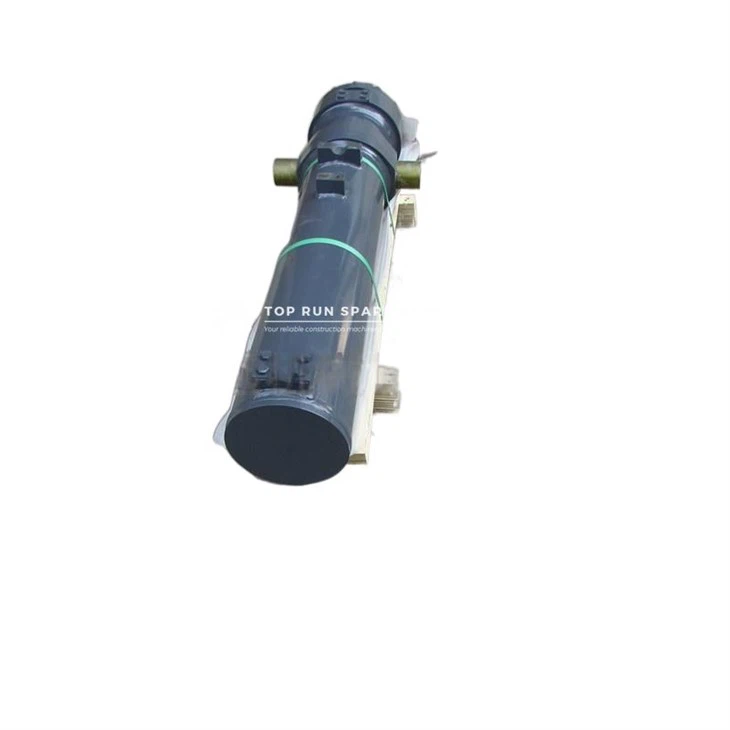
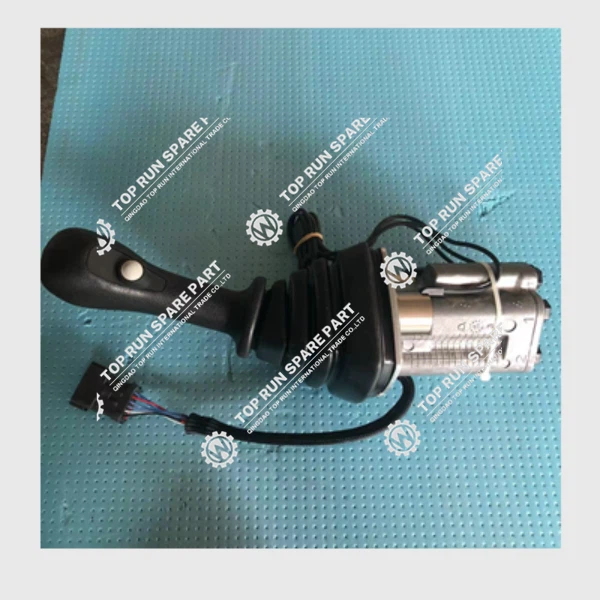
Regular maintenance of the gearbox is also crucial. This includes checking the oil level and quality, inspecting the gears and other components for wear and damage, and ensuring that the hydraulic system is working properly. As a wheel loader gearbox supplier, we offer high - quality gearboxes and related spare parts such as PILOT VALVE ASSY 252120639 804010501, Steering Gear Steering Pump 803086403, and Wheel Loader Right Boom Cylinder to ensure the smooth operation of your wheel loaders.
Conclusion
In conclusion, the gearbox is a complex and essential component of a wheel loader. It plays a key role in transmitting power from the engine to the wheels and allows the wheel loader to operate efficiently under different conditions. Understanding how a wheel loader gearbox works is important for both operators and maintenance personnel. If you are in the market for a high - quality wheel loader gearbox or related spare parts, we invite you to contact us for further details and to start a procurement negotiation. We are committed to providing you with the best products and services to meet your needs.
References
Smith, J. (2018). Heavy Equipment Mechanics Handbook. Publisher: ABC Publishing.
Brown, A. (2019). Principles of Construction Equipment Design. Publisher: XYZ Books.
Categories
QR Code


