How does the cooling system work in an excavator compressor?
 Language
 Français
 Español
 Árabe
Árabe
 Deutsch
 简体中文
简体中文
 Português
 Русский
 日本語
日本語
 한국어
한국어
 हिंदी
हिंदी
 Prancis
 Türkçe
 Tiếng Việt
 Italiano
 ไทย
ไทย

-
Tel
+86 15275228746
-
WhatsApp/WeChat
8615275228746
Blog
Company intro
10000m 2+ Cover Area QINGDAO TOP RUN INTERNATIONAL TRADE CO., LTD Qingdao Top Run International Trade Co., Ltd. has been a professional and leading supplier of construction machinery spare parts in China for over 15 years. With extensive experience and expertise, we have established strong partnerships with top manufacturers to offer a wide range of genuine and OEM parts for brands such as XCMG, SANY, ZOOMLION, SHANTUI, LIUGONG, and more. 80+ Employees View more Looking for properate products? Contact us
Send Message
How does the cooling system work in an excavator compressor?
Dec 16, 2025
View: 221
As a trusted supplier of [I'll assume a general high - quality in this context] Excavator Compressors, I often get asked about the intricacies of how the cooling system in an excavator compressor works. Understanding this process is crucial for anyone involved in the operation, maintenance, or procurement of excavator compressors. In this blog, I will delve deep into the working mechanism of the cooling system in an excavator compressor.
The Role of the Compressor in an Excavator
Before we jump into the cooling system, let's briefly understand the role of the compressor in an excavator. The compressor is an essential component that is responsible for pressurizing air or gas. In an excavator, it plays a vital role in various functions such as powering pneumatic tools, operating the braking system, and even assisting in the air - conditioning process. However, during the compression process, a significant amount of heat is generated. This heat can cause damage to the compressor if not properly managed, which is where the cooling system comes into play.
Components of the Cooling System
The cooling system of an excavator compressor consists of several key components, each with its specific function.
Radiator
The radiator is one of the most visible and crucial parts of the cooling system. It is designed to dissipate heat from the coolant. The radiator is typically made up of a series of thin tubes and fins. As the hot coolant flows through the tubes, the fins increase the surface area exposed to the air. This allows for efficient heat transfer from the coolant to the surrounding air. The radiator is usually located at the front of the excavator, where it can receive a constant flow of fresh air.
Coolant
The coolant, also known as antifreeze, is a liquid that circulates through the compressor and the radiator. It absorbs heat from the compressor and carries it to the radiator for dissipation. Coolants are usually a mixture of water and ethylene glycol or propylene glycol. These additives lower the freezing point and raise the boiling point of the coolant, ensuring that it can function effectively in a wide range of temperatures.
Water Pump
The water pump is responsible for circulating the coolant throughout the cooling system. It is typically driven by a belt connected to the engine. As the engine runs, the water pump spins, creating pressure that forces the coolant to flow through the compressor, the radiator, and other components of the cooling system.
Thermostat
The thermostat acts as a valve that regulates the flow of coolant through the radiator. It is designed to open and close based on the temperature of the coolant. When the coolant is cold, the thermostat remains closed, allowing the coolant to circulate only within the compressor. This helps the compressor reach its optimal operating temperature quickly. Once the coolant reaches a certain temperature, the thermostat opens, allowing the coolant to flow through the radiator for cooling.
The Cooling Process
The cooling process of an excavator compressor can be divided into several steps.
Heat Absorption
As the compressor operates, it generates a large amount of heat. The coolant, which is circulated by the water pump, flows through the compressor. As it passes through the compressor, the coolant absorbs the heat generated by the compression process. This causes the temperature of the coolant to rise.
Heat Transfer to the Radiator
Once the coolant has absorbed the heat from the compressor, it is pumped to the radiator. As the hot coolant enters the radiator, it flows through the thin tubes. The fins on the radiator increase the surface area exposed to the air. As the excavator moves or the cooling fans operate, air flows over the radiator, carrying away the heat from the coolant. This causes the temperature of the coolant to drop.
Heat Dissipation
The heat that is transferred from the coolant to the air is dissipated into the atmosphere. The radiator's design, with its large surface area and efficient airflow, ensures that the heat is removed quickly and effectively.
Return of Cooled Coolant
After the coolant has been cooled in the radiator, it is pumped back to the compressor by the water pump. This cooled coolant then repeats the process, absorbing more heat from the compressor and continuing the cycle.
Importance of Proper Cooling
Proper cooling of the excavator compressor is essential for several reasons.
Preventing Overheating
Overheating can cause significant damage to the compressor. High temperatures can lead to the breakdown of lubricants, which can result in increased friction and wear on the compressor's moving parts. Overheating can also cause the metal components of the compressor to expand, leading to misalignment and potential failure.
Maintaining Efficiency
A properly cooled compressor operates more efficiently. When the compressor is at its optimal operating temperature, it can compress air or gas more effectively, reducing energy consumption and improving overall performance.
Extending Lifespan
By preventing overheating and maintaining efficiency, proper cooling can significantly extend the lifespan of the excavator compressor. This reduces the need for frequent repairs and replacements, saving both time and money in the long run.
Maintenance of the Cooling System
To ensure the proper functioning of the cooling system, regular maintenance is required.
Checking Coolant Levels
It is important to regularly check the coolant level in the radiator. Low coolant levels can indicate a leak in the system, which should be addressed immediately. Additionally, the coolant should be replaced at regular intervals according to the manufacturer's recommendations.
Inspecting the Radiator
The radiator should be inspected regularly for any signs of damage or blockage. Debris, such as dirt, leaves, and insects, can accumulate on the fins of the radiator, reducing its efficiency. If the radiator is blocked, it should be cleaned using compressed air or a radiator cleaner.
Testing the Thermostat
The thermostat should be tested periodically to ensure that it is functioning properly. A faulty thermostat can cause the compressor to overheat or operate at a sub - optimal temperature. If the thermostat is found to be defective, it should be replaced immediately.
Related Spare Parts
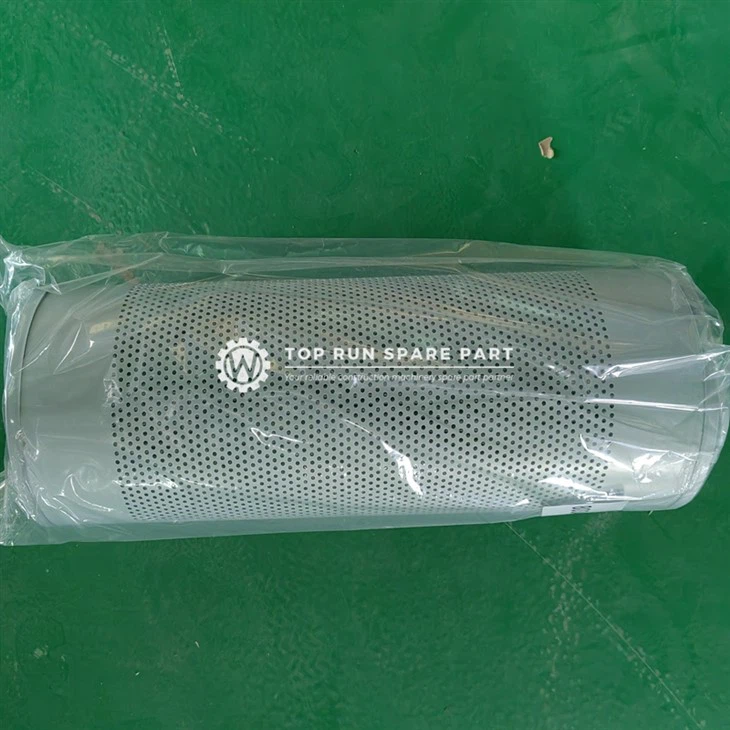
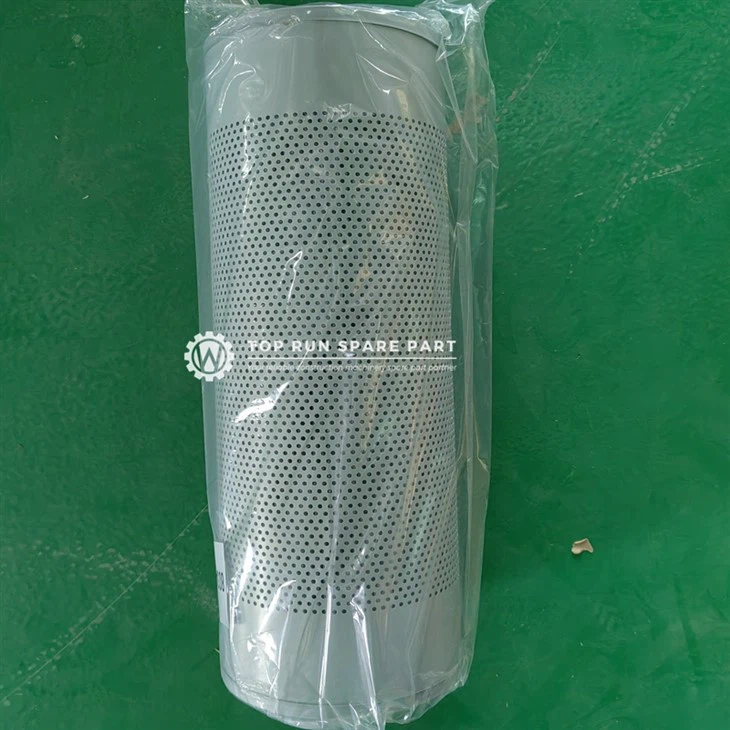
As an excavator compressor supplier, we also offer a wide range of related spare parts. For instance, Excavator Filters are essential for keeping the compressor and other components clean. They prevent dirt, dust, and other contaminants from entering the system, which can cause damage and reduce efficiency. Excavator Teeth are another important part of the excavator. They are used for digging and breaking rocks, and their quality can significantly affect the performance of the excavator. And of course, our Excavator Compressor is designed to meet the highest standards of quality and performance.
Conclusion
Understanding how the cooling system works in an excavator compressor is essential for anyone involved in the operation, maintenance, or procurement of these machines. By knowing the components of the cooling system, the cooling process, and the importance of proper maintenance, you can ensure that your excavator compressor operates efficiently and has a long lifespan.
If you are interested in purchasing an excavator compressor or any of our related spare parts, we invite you to contact us for a procurement discussion. Our team of experts is ready to assist you in finding the right products for your needs.
References
- "Excavator Maintenance Manual" - Manufacturer's official documentation
- "Automotive Cooling Systems: Principles and Practice" - A technical book on cooling systems
- Industry research papers on excavator compressor technology
Categories
QR Code


